
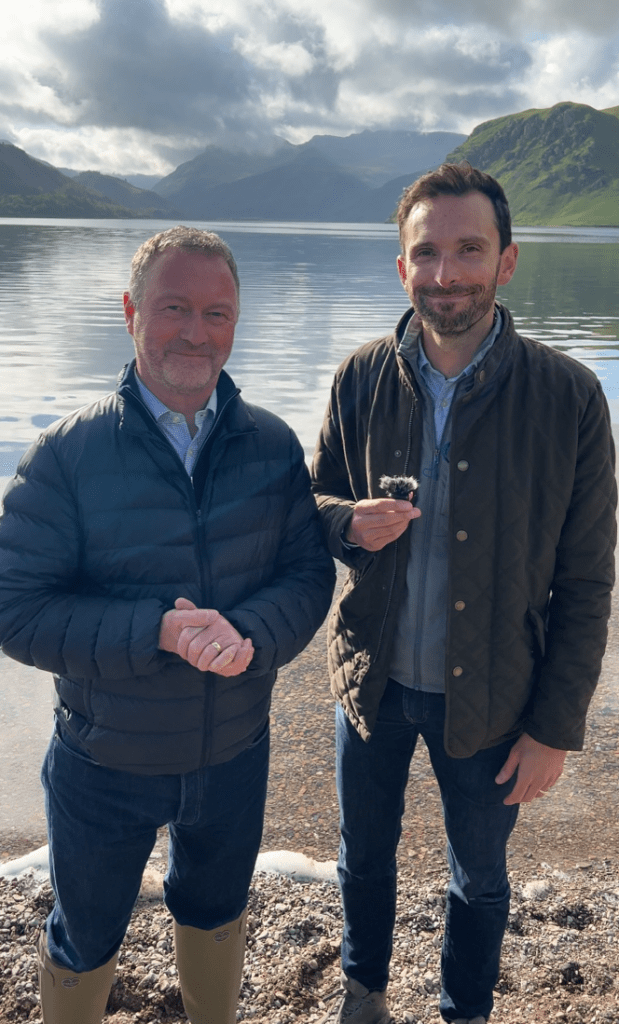
Whitehaven and Workington’s Labour MP has welcomed major new legislation to crack down on water bosses for polluting West Cumbria’s rivers, lakes and seas.
The Water (Special Measures) Bill has been introduced to Parliament and will give regulators new powers to take tougher and faster action to crack down on water companies damaging the environment and failing their customers.
The Bill delivers on Labour’s manifesto pledges to clean up the water sector, including significantly increasing the ability of the Environment Agency to bring forward criminal charges against law-breaking water executives. It will create new tougher penalties, including imprisonment, for water executives when companies fail to co-operate or obstruct investigations.
The new legislation also includes a ban on the payment of bonuses to executives of polluting water companies unless they meet high standards when it comes to protecting the environment, their consumers, financial resilience, and criminal liability.
Other measures in the Bill include severe and automatic fines for a range of offences, including allowing regulators to issue penalties more quickly, without having to direct resources to lengthy investigations. It will also introduce independent monitoring of every outlet, with water companies required to publish real-time data for all emergency overflows. Discharges will have to be reported within an hour of the initial spill.
Josh said:
“The public are furious that in 21st century Britain, record levels of sewage are being pumped into our rivers, lakes and seas. After years of neglect, our waterways are now in an unacceptable state.
“Under this Government, water executives will no longer line their own pockets whilst pumping out this filth. If they refuse to comply, they could end up in the dock and face prison time.”
Secretary of State for Environment, Food and Rural Affairs, Steve Reed, said:
“This Bill is a major step forward in our wider reform to fix the broken water system. We will outline further legislation to fundamentally transform how the water industry is run and speed up the delivery of upgrades to our sewage infrastructure to clean up our waterways for good.”
 Josh MacAlister MP