
In the final week of the year, it feels right to pause and take stock of 2025. Not in a rose-tinted way, and not by talking down the very real challenges many people in West Cumbria are still facing, but honestly and with a sense of where we go next.
This has not been an easy year for everyone. After years of chaos and uncertainty, too many families are still feeling the pressure of high bills, stretched public services and the simple worry of whether things will ever get better.
There is anger at the whole political establishment – the Tories for getting us here and my party for a sense that we could have done more in our first 18 months to deliver the change we promised. I hear it and I apologise on behalf of the government to anyone who feels let down.
Populists on the far left and far right feed off this anger. They come bearing easy answers to complex problems and I understand the temptation to want to blow up the whole system and follow them down the rabbit hole. But progress is starting to show.
After a long period when politics felt noisy but ineffective, 2025 has been about getting back to basics: rebuilding trust, making government work again, and focusing on practical change. There have been missteps along the way – and there is a lot more to do – but I firmly believe the country and specifically West Cumbria is in a better place now than it was at the start of the year thanks to the action we’re taking.
There have been some positive developments in the economy. Six interest rate cuts, inflation coming down, some signs of growth and stability in the markets. Those may seem abstract but I saw someone post the other day about a 2% cut to their mortgage rate, which means a 20% drop in their monthly mortgage payments. Think where we were under Liz Truss and compare it to where we are now.
We’ve also seen meaningful measures to ease the cost of living pressures faced by workers, families and older people. Above inflation increases to Universal Credit (most recipients are in work), a big boost to the minimum wage, the welcome reversal of the decision on winter fuel allowance, an expansion of the Warm Home Discount to give thousands more west Cumbrians £150 off energy bills this winter and the rollout of universal free childcare and the first wave of free school breakfast clubs. Freezes to fuel duty, rail and bus fares and prescription charges will also help a little.
Locally, I’m most proud of the progress to unlock new nuclear power at Pioneer Park. We started the year with no agreement on use of the land at Moorside, no plan and no clear way forward. We end it with roadblocks removed, backing from the very top of government, serious interest from credible nuclear developers and a £1 million masterplan under development. By this time next year I hope we’ll either have a developer selected or be very close to doing so.
Nationally, the focus this year has been on stability and long-term decisions. That doesn’t grab headlines in the same way as drama, but it’s what communities like ours need. Stability is what allows businesses to plan, councils to deliver, and families to feel more secure about the future.
I’m pleased this means we’ve been able to deliver the first multi-year funding settlements for our nuclear sector, NHS and local authority in more than a decade – our biggest local employers and some of our most important public services. This funding certainty – which includes an average annual increase of government funding for nuclear decommissioning of £600 million, record sums for our NHS and a 14% increase in core spending power for Cumberland Council – means job certainty for many and the ability to plan long-term investment.
We’ve already seen some of that this year in the NHS – a new Urgent Dental Access Centre, our new 24/7 community mental health hub (finally opening in January), investment in local GP practices and, just announced, a new £4 million Gynaecology Department at West Cumberland Hospital.
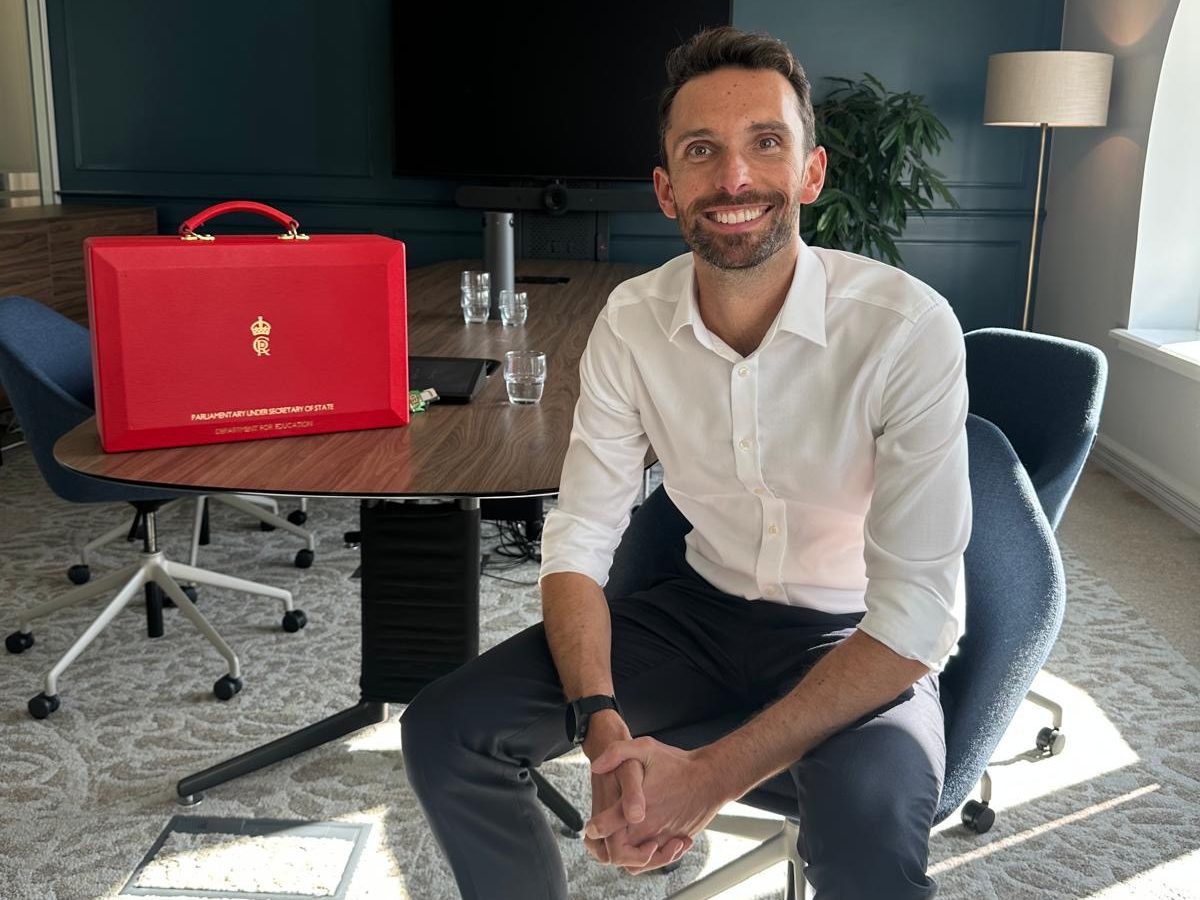
Big boosts to specific council funding streams will also deliver visible improvements next year. Nearly £100 million for local roads, an extra £18 million to support bus services and £4.5 million for walking and cycle routes means making it easier to get around. £5 million I’ve provided as Children’s Minister will improve family support, early intervention and child protection services. And we’re putting more money into specialist school provision for children with special educational needs and disabilities meaning more supported places for local children.
There are also quieter signs of progress that don’t always make the front page: more constructive relationships between local partners, fewer short-term fixes and more long-term thinking, and a renewed sense that problems are being tackled rather than passed on. That’s something I’ve been working hard on at a local level. For example, bringing together local authority and nuclear partners to think differently about how we best use nuclear social impact funding to tackle long-term challenges in our local economy – something I hope we’ll be able to announce a breakthrough on very soon.
That doesn’t mean everything is fixed. It isn’t. There are still waiting lists that are too long, costs that are too high, and communities that feel overlooked. Acknowledging that isn’t pessimism – it’s the starting point for doing better. But we’ll see further action to bring down waiting lists in the new year, a further boost to the minimum wage, and every household will get £150 off energy bills from April. And we’ll start to see investment coming into some of our most overlooked communities through the Pride in Place programme, including south Whitehaven, Maryport and Flimby. We’ll shortly see publication of the masterplan for Whitehaven town centre for consultation. Progress with town deals in Workington and Cleator Moor is gaining pace. And new funding for Egremont will help to revive the town centre.
As we head into a new year, my priority is simple: to keep pushing for steady, practical improvements that make a real difference to everyday life in West Cumbria. Not quick wins for the sake of it, but progress you can actually feel. In industry, infrastructure and public services.
Thank you to everyone who has taken the time to share their experiences with me this year. My office has dealt with more than 10,000 cases. Those conversations matter, and they shape the work ahead. 2026 won’t be perfect either – no year ever is – but if we keep moving in the right direction, together, then we can build the brighter future we need and deserve in West Cumbria.
 Josh MacAlister MP