
A cancer diagnosis changes your life in an instant. Almost every family in West Cumbria will know someone who has faced that moment – or will in the future. How quickly and well we are treated can make the difference between life and death.
That is why the National Cancer Plan, published last week, matters so much.
At its heart is a clear and ambitious goal: by 2035, three in four people diagnosed with cancer will be cancer-free or living well five years later. That would represent the fastest improvement in cancer outcomes this century, saving an estimated 320,000 lives.
But ambition alone is not enough. For too long, progress on cancer has been held back by long waits, workforce shortages and a postcode lottery in care. Under the Conservatives, the NHS failed to meet its main cancer waiting time target for a decade, and some cancer survival rates in England have fallen behind those in countries like Romania. That failure has been felt most sharply in rural and remote coastal communities.
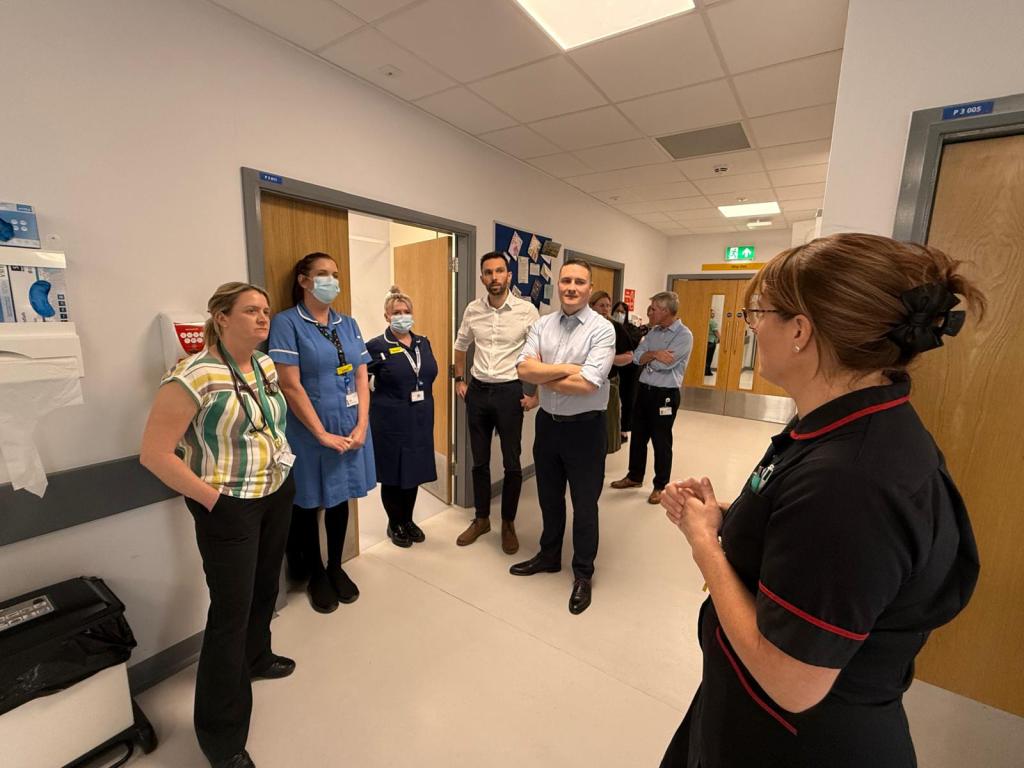
When I brought Health Secretary Wes Streeting to West Cumberland Hospital, I wanted him to see the challenges of delivering high-quality acute care across a large rural area first-hand. Staff and patients spoke honestly about long waits and long journeys for treatment, and about how hard it is to recruit and retain specialists locally.
Those lessons are clearly reflected in this plan.
By 2029, the NHS will meet all three cancer waiting time standards, meaning hundreds of thousands more patients will start treatment within 62 days. There will be a major expansion of faster diagnostics, with new scanners, modern technology and Community Diagnostic Centres operating evenings and weekends to bring tests closer to home.
Crucially for West Cumbria, the plan commits to training and deploying more cancer specialists, with new places targeted at trusts with the biggest workforce gaps and a clear priority for rural and coastal areas. I have written to the Minister to make sure West Cumbria benefits from this commitment in practice.
The plan also recognises the wider impact cancer has on people’s lives. Every patient will receive a personalised cancer plan covering treatment, mental health and employment, so people are not left to navigate recovery alone. New employer partnerships will help hundreds of thousands of working-age patients stay in work during and after treatment.
For families of children with cancer, there is also a £10 million fund to cover travel costs – an important step in a place like West Cumbria, where families often have to travel to Carlisle or Newcastle for specialist care, at costs that can run into thousands of pounds.
This plan will not fix everything overnight. But it is a serious, long-term commitment to modernise cancer care, back NHS staff, and make sure where you live does not determine your chances of survival.
 Josh MacAlister MP