
Disabled people across West Cumbria can now try work without the fear of immediately losing their benefits, as new legislation came into force this month.
The “Right to Try” reform means that people receiving support such as Employment and Support Allowance, Personal Independence Payment, or the health element of Universal Credit can take steps into work without automatically triggering a reassessment of their benefits.
Across West Cumbria, many people with long-term health conditions have said they want to work – but have been held back by the risk of losing vital financial support if things don’t work out.
More than a third of disabled people nationally say this fear has stopped them from taking that first step into employment.
This new law removes that barrier – giving people the confidence to test what’s right for them, whether that’s returning to work, building skills, or starting with volunteering.
The changes have been shaped directly by disabled people and charities, including through government collaboration committees, ensuring the system reflects real experiences.
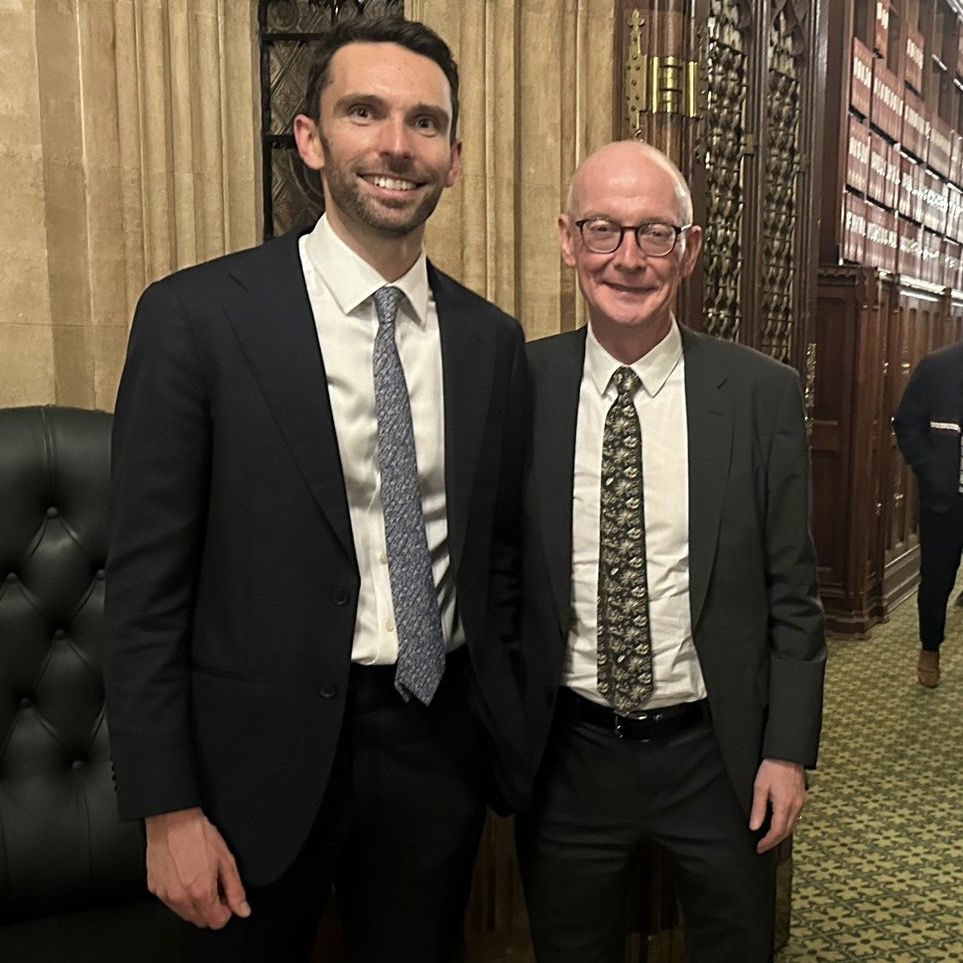
Josh MacAlister, MP for Whitehaven and Workington, said:
“This is a really important step forward for people here in West Cumbria. I’ve spoken to many residents who want to work, contribute, and build a future – but who’ve felt trapped by a system that punishes them for trying.
“The Right to Try changes that. It gives people the security to take that first step without risking everything.
“In communities like ours, where good jobs and opportunities matter so much, this is about unlocking potential – helping people into work in a way that works for them, and strengthening our local economy at the same time.”
The reform is part of wider efforts to support people into good, secure jobs, backed by £3.5 billion of investment in employment support by the end of the decade.
 Josh MacAlister MP