Josh MacAlister, MP for Whitehaven & Workington, has launched his first annual Christmas card competition and is inviting local people to submit photographs that capture the very best of West Cumbria – from our coastline and fells to our towns, villages, and community spirit.
Josh said:
“Every year I’m blown away by the talent and pride on show in West Cumbria. I’m looking for striking photographs that celebrate what makes our area special – our landscapes, heritage, wildlife, and the people who bring our communities to life.
“I can’t wait to showcase the winning image on my Christmas card and share West Cumbria with friends and colleagues across the country.”
The competition is open to residents, schools, community groups, and businesses in West Cumbria. The winning image will feature on Josh’s 2025 Christmas card (printed and digital) with full credit.
Entries should be emailed to hello@joshmacalister.uk by 5pm on Friday 31st October. Please provide your full name and address and the location and a description of your photo. Please note the photo should be taken in the Whitehaven & Workington constituency!
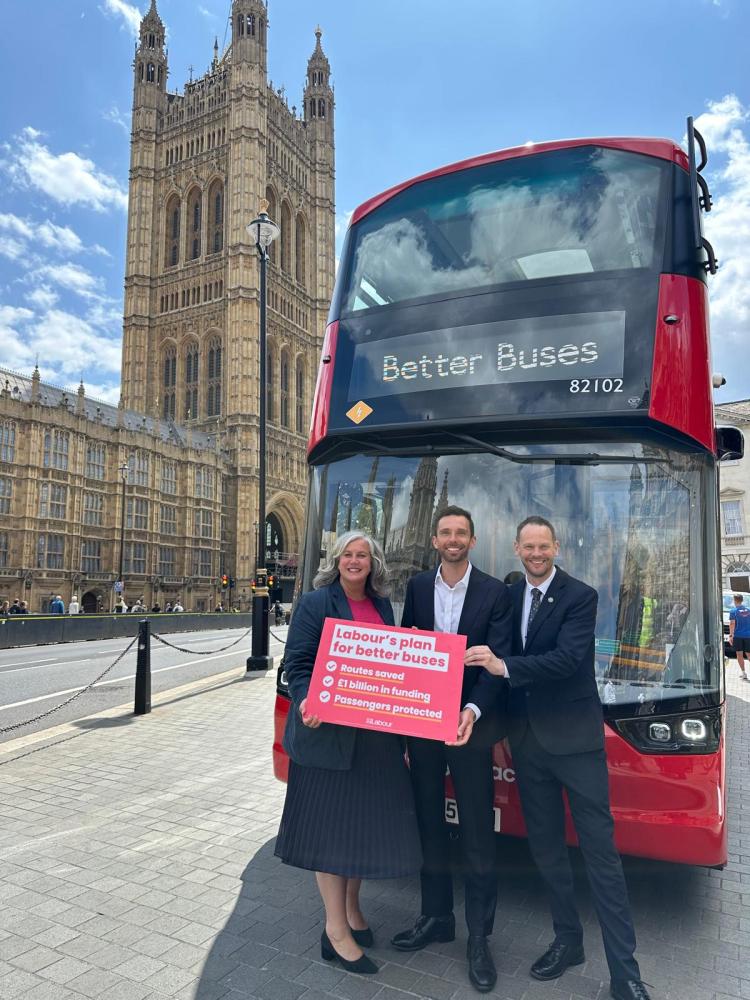
Josh MacAlister MP has welcomed today’s Government announcement that Cumbria will be among the first areas in the country to pilot new bus franchising powers, giving local authorities a greater say over how services are run.
Josh MacAlister MP said:
“I’m delighted that Cumbria has been chosen to lead the way in piloting new approaches to rural bus franchising. For too long, people in our towns and villages have faced unreliable and infrequent bus services that make it harder to get to work, school, healthcare appointments or simply to see family and friends.
“This pilot is about putting passengers first and making sure that decisions about local transport are made here in Cumbria. By giving councils greater control, we can better protect vital routes, connect isolated communities, and make sure that bus services work for local people and local economies.
“Better buses mean better opportunities – for young people accessing education and training, for businesses connecting to customers, and for older residents who rely on public transport to stay active and independent.
“I want to pay tribute to the hard work of Cllr Denise Rollo and Cumberland Council, who have championed this initiative and worked tirelessly with local partners and Government to bring this opportunity to Cumbria.
“I’ll be working closely with the council, operators and residents to make sure this pilot delivers real improvements for the people I represent, and that Cumbria becomes a model for how rural transport can thrive.”
The Cumbria pilot will explore how giving councils more control over local bus networks can improve reliability, protect essential routes, and expand access to jobs, schools, and services – especially in rural and hard-to-reach communities.
Roads and Buses Minister Simon Lightwood said:
“We’re backing Cumbria to explore how it could take control of its bus network and transform rural services to work for everyone, ensuring passengers, not profit, are put first when it comes to bus services.
“With our transformative Bus Services Bill just around the corner, this Government will put buses at the forefront of better connectivity – helping communities thrive and driving economic growth as part of our Plan for Change.”
The pilot will help us understand how franchising – where local authorities give private bus companies the right to run in a specific area – can improve connectivity, boost passenger satisfaction, and support local economies in a range of settings.
It comes ahead of the Government’s Bus Services Bill which will end the plight of bus routes being scrapped at short notice, tightening requirements for cancelling vital bus routes – especially those used by vulnerable or disadvantaged passengers.
As part of the Bill, councils will identify socially necessary local services, and working with bus operators, put in place stricter requirements before these services can be changed or cancelled.
Cllr Denise Rollo, Executive Member for Sustainable, Resilient and Connected Places, Cumberland Council, said:
“We are delighted that Cumbria has been selected to take part in this important pilot. For too long, rural communities have faced limited and unreliable transport options, and this scheme offers a real opportunity to reshape services around the needs of our residents.
“Cumberland Council welcomes the opportunity to play a leading role in delivering improvements that matter locally. By giving councils more control, we are better able to protect vital routes, improve access to jobs, education and healthcare, and ensure our bus network supports inclusive growth across the region. This is a positive step forward for sustainable transport in Cumbria.”
Thousands of people in Cumbria who are sick, disabled, or face complex barriers to work will receive personalised support to get into good jobs, thanks to a £11.7 million investment for the county from Labour’s Connect to Work programme.
The funding – part of a £167 million national expansion and a £1 billion UK-wide plan – will deliver tailored employment support to 2,750 people across Cumbria.
Connect to Work is designed and delivered locally, empowering communities to shape the support that works best for them. It can fund a range of initiatives such as embedding job advisers in GP surgeries, offering interview and confidence-building workshops, helping with affordable childcare, and providing ongoing coaching for both jobseekers and employers.
The programme treats employment as part of holistic care – connecting health and work to improve lives, boost local economies, and tackle poverty.
The funding has been welcomed by the county’s MPs.
“This investment is about giving people in Cumbria a fair shot. Far too many residents have been locked out of the job market because of illness or barriers beyond their control.
“Connect to Work will help people rebuild confidence, develop new skills, and find meaningful work that fits their lives. It’s a hand up, not a handout – helping people fulfil their potential and strengthening our communities in the process.”
Markus Campbell-Savours MP (Penrith & Solway) said:
“Our area has huge talent and determination – but for too long, too many have been written off. This Labour government is changing that.
“By investing in things like embedding job advisers in GP surgeries and working with local health and community services, Connect to Work will make sure support reaches people where they are, breaking down barriers that have held them back.”
Michelle Scrogham MP (Barrow & Furness) said:
“This £11.7 million investment is a real boost for our county. It will help people who want to work but need extra support to get there – whether that’s confidence-building, interview practice or help with childcare.
“It’s a local approach shaped by our communities, making sure no one in Cumbria is left behind as we get Britain working again.”
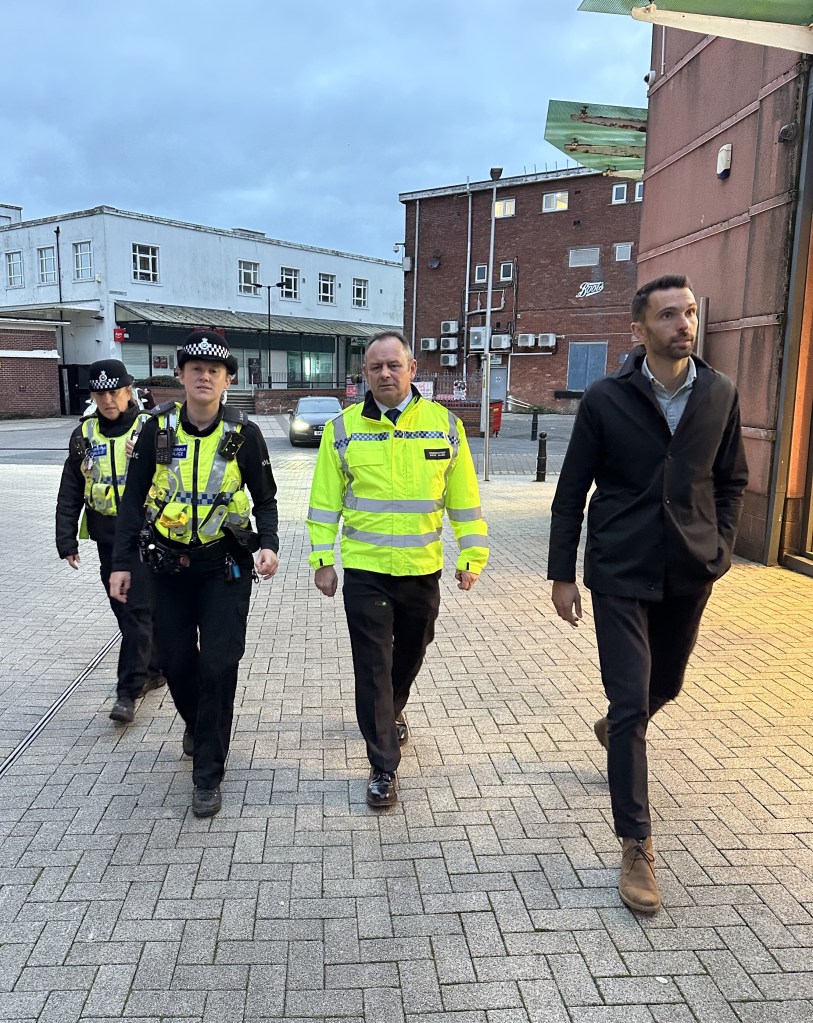
Workington MP Josh MacAlister joined Cumbria’s Police, Fire and Crime Commissioner, David Allen, and local police officers on patrol in Workington this week as part of Operation Enhance – an initiative that continues to deliver significant results in tackling anti-social behaviour across West Cumbria.
Operation Enhance, funded through the Government’s Hotspot Response Fund, targets areas experiencing persistent anti-social behaviour by placing extra, high-visibility patrols in hotspot locations. Now six months into its second year, the operation is showing strong results, with reports of anti-social behaviour down by 38% across the 15 hotspot areas compared to the previous year – from 974 incidents to 601.
The dispersal order put in place in Workington town centre over the weekend highlights the importance of continued investment in action to stamp out this kind of anti-social behaviour and high visibility policing like this.
Josh joined frontline officers on an evening patrol in Workington town centre, hearing firsthand about the challenges they face and the successes achieved through joint working between police, councils, and local residents.
The patrol followed recent announcements that Josh and David Allen secured £1.7 million to recruit additional neighbourhood police officers for West Cumbria, strengthening the visible policing presence that residents have consistently called for.
Josh said:
“It was a privilege to join officers on patrol in Workington and to see Operation Enhance in action. The work being done here is making a real difference – cutting anti-social behaviour, building confidence in the community, and helping residents feel safer.
“Alongside the £1.7 million we’ve secured for extra neighbourhood police, this is about giving Cumbria’s officers the backing and resources they need to be a visible, reassuring presence on our streets.
“The disorder we saw in Workington over the weekend shows that we haven’t solved the problem yet, but by continuing to invest in neighbourhood policing and these additional high visibility patrols and through targeted action to deter young people from engaging in this sort of anti-social behaviour, we will continue to drive it down and make our streets safer.”
Cumbria’s Police, Fire and Crime Commissioner, David Allen, added:
“Operation Enhance is delivering exactly what we set out to achieve – more visible policing and safer communities. A 38% drop in anti-social behaviour shows that extra patrols and strong local partnerships work.
“Having Josh out with our officers highlights the importance of continued investment in neighbourhood policing across West Cumbria. It’s something residents value and rely on.”
Members of the public are encouraged to continue reporting anti-social behaviour and suspicious activity to help police focus resources where they are needed most. Reports can be made online at http://www.cumbria.police.uk/report-it, by calling 101, or 999 in an emergency.
Cumbria has enormous potential – from the energy coast to the Lake District, from our thriving towns to our world-class industries. But too often, decisions about our future are made in Whitehall. This week, we took an historic step to change that.
Both local authorities made the decision this week to seize Labour’s offer to take back control for Cumbria, with a major package of funding and powers – a much more serious offer than we ever had under the Tories – and a new elected Mayor of Cumbria. More power, more investment, and more control in local hands. We’re talking about hundreds of millions of pounds of new funding – money that we could use to make a real difference here in West Cumbria – and this is just the start.
This isn’t about creating another layer of bureaucracy; it’s about bringing decisions home. Instead of waiting for London to decide what’s right for us, a Mayor of Cumbria will have the power to shape our economy, transport and skills system to match the needs of our communities.
Imagine a Cumbria where buses and trains actually work for people. A mayor could lead the charge to secure the major upgrade our railway needs and bring our buses back into public control, ensuring affordable fares, reliable routes and joined-up services that connect our towns and villages. Good transport links are the lifeblood of opportunity – for jobs, education, and access to healthcare.
A mayor would also have the tools to drive forward regeneration and industrial growth through new Mayoral Development Zones – turbocharging investment in West Cumbria. These zones could help unlock new housing, attract new industries and create thousands of skilled jobs in clean energy, advanced manufacturing and digital technology.
A mayor could work directly with local employers and education providers to make sure Cumbrians gain the skills to match the jobs being created here. Instead of a patchwork of national schemes that often miss the mark, a mayor could design joined-up local skills plans, align apprenticeships with local business needs, and use devolved funding to help people retrain throughout their careers. That’s how we make sure young people can build their futures here in Cumbria, rather than feeling they have to leave to get on.
Right now, Cumbria is missing out. Across the country, mayors are securing huge investment and new powers for their regions – deals that we don’t yet have. Meanwhile, here in Cumbria, we’re still having to bid piecemeal for funding pots designed in London. Without a mayor, we simply don’t have the same voice or the same seat at the table – and that means we risk being left behind while other regions move ahead.
This is a moment to be bold. With a Mayor of Cumbria, we can take back control of our future, unlock new opportunities, and build a county that works for every community – from the fells to the coast.
Whitehaven MP Josh MacAlister paid a visit to the Whitehaven Sea Cadets and Whitehaven Royal Air Force Cadets this week to meet local young people and adult volunteers involved in the cadet movement.
During the visit, Josh toured the training facilities, spoke with cadets about their experiences, and learned more about the skills and opportunities the organisations provide – from leadership and teamwork to community service and adventure training. He also joined the sea cadets to make poppies for the Royal British Legion’s annual Poppy Appeal.
Josh praised the commitment of local volunteers and the achievements of the young people involved:
“Whitehaven’s cadets are a brilliant example of the dedication, confidence, and teamwork that define our community. The Sea Cadets and RAF Air Cadets give young people skills for life – and I’m proud that the government is backing their expansion as part of the Strategic Defence Review.”
The government recently reaffirmed its commitment to expand cadet forces across the UK, recognising their role in developing the next generation of leaders and strengthening the link between local communities and the armed forces.
Josh added:
“We want to make sure that every young person who wants to join the cadets has the chance to do so. I’d encourage anyone in and around Whitehaven – whether you’re a young person looking for adventure or an adult who could volunteer some time – to get involved with your local unit.”
“It was fantastic to welcome Josh MacAlister MP to meet our cadets and volunteers. The Sea Cadets offer life-changing opportunities – from spending time on the water boating to developing confidence and teamwork – and we’re always looking for more young people and adult volunteers to join our crew.”
Flying Officer Jennings of Whitehaven Squadron, Royal Air Force Air Cadets, added:
“Our cadets work hard and have incredible experiences through the RAF Air Cadets, whether that’s flying, DofE, leadership skills, adventure training or community projects. It means a lot to have our local MP recognise the effort of our volunteers and the value of what we do. We’d love to see more local people get involved – there’s a role for everyone.”
Both the Whitehaven Sea Cadets and RAF Air Cadets welcome new recruits throughout the year. Anyone interested in joining or volunteering can find more information via their respective websites or social media pages.
The Whitehaven Harbour Taskforce, chaired by Josh MacAlister MP, last week approved a proposed solution to divert the orange water affecting the harbour out to sea. The decision comes after an extensive feasibility study – for which funding was secured by Josh from the Government – confirmed that diverting the water out to sea is the most viable option.
This marks a turning point in the campaign to restore Whitehaven Harbour to its natural state. Following the approval of the taskforce on the way forward, Josh will now meet with Ministers to and do his best to secure the £4 million funding needed to deliver the scheme. Local stakeholders must also now work quickly to agree ownership and governance arrangements for the new asset so that the work can begin without delay.
Josh said:
“The development and approval of this plan is meaningful progress the people of Whitehaven have been waiting for. For three years now our harbour has been tarnished by the orange discharge. While investigations continue to locate the source of the water, we may never know, and so we have to focus on diverting it safely.
“I will now take this to Ministers and demand the funding to get on and build it. But success also depends on local partners stepping up: we must agree who owns and maintains the new system so that it is delivered, sustained and trusted. The people of Whitehaven deserve nothing less.”
The solution involves building a new pipeline to divert the water from the culvert along and through the harbour wall where it will be released into the sea on the foreshore north of the harbour.
Josh and the Taskforce will issue further updates as the funding discussions progress and as next steps in design, procurement, and consenting are confirmed.
I welcome today’s announcement of the new £2.9 billion Infrastructure Delivery Partnership at Sellafield.
This long-term investment will secure and protect skilled jobs here in West Cumbria while ensuring the site has the modern, reliable infrastructure it needs to deliver its nationally important mission safely and efficiently.
The inclusion of strong commitments to local employment, apprenticeships, and community benefit is particularly important. Sellafield’s success has always been tied to the people and communities that host it, and this new partnership shows how social value investment can go hand-in-hand with world-class engineering and economic opportunity.
I have already met with Morgan Sindall to discuss the potential of their social value investment and I will be meeting the other contractors in due course to discuss how they can contribute most effectively to the local community.
This is good news for workers, local businesses, and for the future of our community.
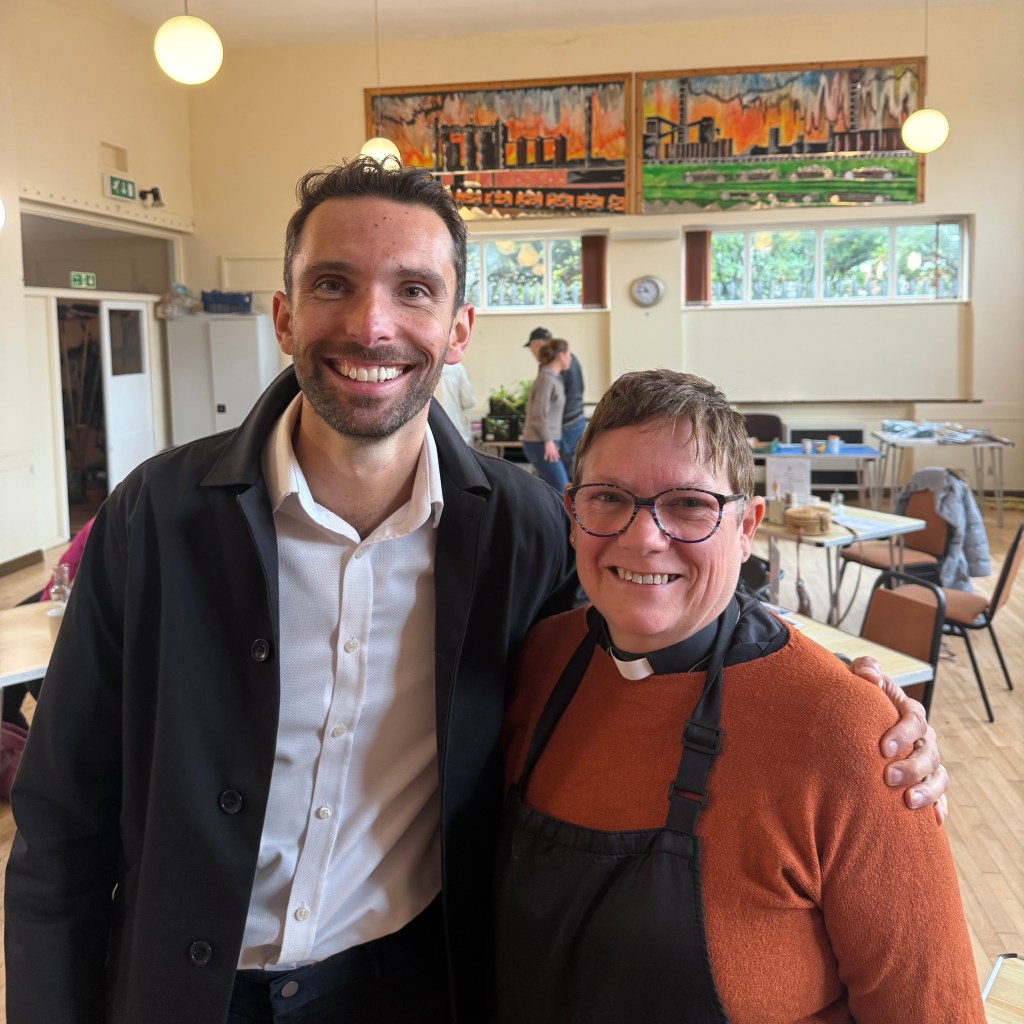
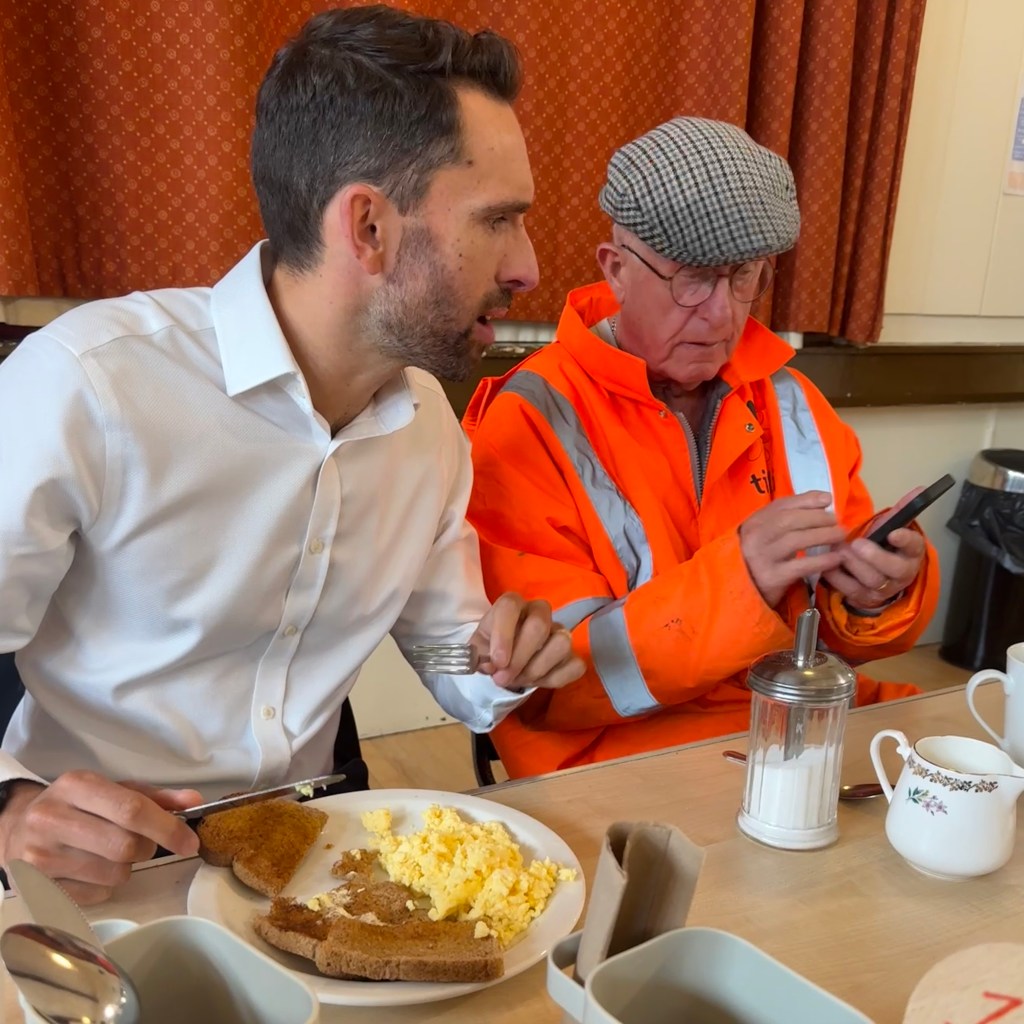
St Mary’s Church in Westfield, Workington, welcomed local Member of Parliament Josh MacAlister this week as he joined residents and volunteers at the church’s weekly Warm Welcome Breakfast.
The Warm Welcome Breakfast, held every Wednesday morning at St Mary’s, offers a free or donation-based hot breakfast for anyone in the local community. The initiative, led by Reverend Sharon Murphy and a team of dedicated volunteers, provides not just food but also a space for companionship and support.
During his visit, Josh sat down with residents to hear directly about local concerns, as well as to share in the friendly and welcoming atmosphere that has made the breakfast a valued fixture in the community. He also met with Reverend Murphy and volunteers to thank them for their commitment and hard work.
Speaking after the visit, Josh said:
“It was a privilege to join the Warm Welcome Breakfast at St Mary’s and to see first-hand the kindness, generosity, and community spirit here in Westfield. The volunteers and Reverend Sharon are doing vital work in bringing people together and offering support, and it’s clear how much this means to local residents.”
Reverend Sharon Murphy added:
“We’re delighted that Josh could join us and spend time with our community. The Warm Welcome Breakfast is about more than food – it’s about making sure everyone feels they belong and are cared for. It’s encouraging to know that the work of our volunteers and supporters is recognised and appreciated.”
The Warm Welcome Breakfast runs every Wednesday from 9am to 11am at St Mary’s Church, Westfield, and is open to all. Breakfast is offered free of charge, with donations welcomed from those who are able to contribute.
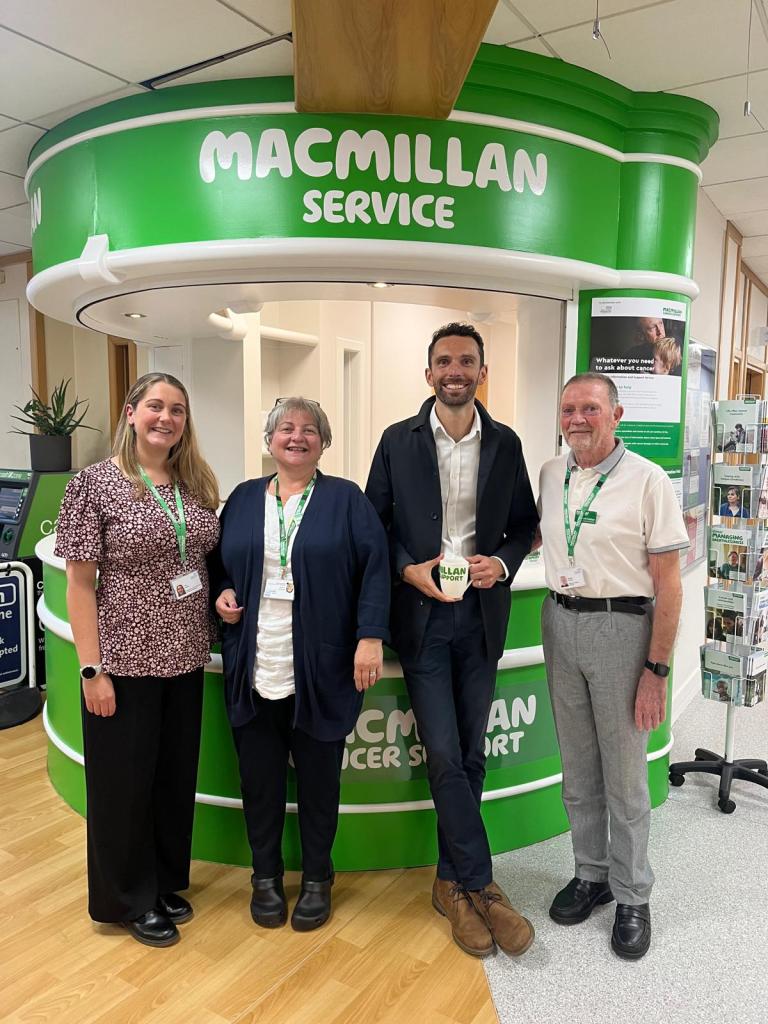
West Cumbrian MP Josh MacAlister has praised the volunteers and staff behind the new Macmillan Support Pod at West Cumberland Hospital, calling it “a lifeline” for people living with cancer and their families.
Josh visited the pod this week, where he met with Macmillan volunteers running the service. The pod, located in the hospital’s old main entrance, offers free drop-in advice and one-to-one appointments to anyone affected by cancer.
He said:
“Cancer touches so many families in our community, and I know the fear and uncertainty that comes with a diagnosis. This new Support Pod will make a real difference – giving people not just information, but compassion, time and understanding when they need it most. The volunteers here are remarkable and I want to thank each of them for the hope and kindness they are offering.”
Josh also highlighted the work being done nationally to improve cancer services:
“The Labour Government has made reducing cancer waiting times a top priority. We are expanding the NHS workforce, investing in new scanners and diagnostic tools, and streamlining how quickly people can get results and start treatment. Every week saved makes a difference – it saves lives.”
The Support Pod is run by Macmillan volunteers alongside specialist NHS staff. Drop-in sessions run every Thursday from 10am to 1pm, with one-to-one appointments available Monday to Friday by e-mailing cancerinformation@ncic.nhs.uk or calling 01228 81428.





 Josh MacAlister MP