Josh MacAlister MP and local fundraising legend Gary McKee are preparing to take on the London Marathon this weekend, as Gary nears the finish line of his extraordinary challenge to run 100 marathons in 100 days.
Gary, from Cleator Moor, has been raising funds for Hospice at Home West Cumbria, with a target of £100,000. If successful, it will bring his total fundraising for the charity to an incredible £1 million over the past five years.
Josh MacAlister MP has joined Gary for several runs throughout the challenge.
Hospice at Home have already received £150,000 in government funding, secured with the support of Josh MacAlister MP, which will help complete the refurbishment and fit-out of Hospice at Home West Cumbria’s new headquarters in Workington. The upgraded facility will include a dedicated patient services area with treatment and therapy rooms, meeting spaces, and facilities for bereavement support.
Josh MacAlister MP said:
“What Gary has achieved over the past 100 days is nothing short of remarkable. Running 100 marathons back-to-back is an extraordinary feat, but it’s made even more powerful by the fact he’s done it to support families across West Cumbria.
“I’ve been proud to join Gary for a number of runs during this challenge, and it’s been brilliant to see the support from the community up close. I’m really looking forward to running with Gary and Beau and tens of thousands of others in London this weekend for the final marathon. I’ve only got one to run – they’ve done the hard part – but I’m proud to play a small role in contributing to their £100,000 goal.
“Hospice at Home West Cumbria provides vital care at the most difficult times in people’s lives. Every donation will help ensure more families can access that compassionate support close to home.”
Gary McKee MBE said:
“It’s been an incredible journey over the past 100 days, and the support from people right across West Cumbria and beyond has kept me going every step of the way. It’s been great to have Josh’s support.
“We’re now so close to our £100,000 target, and I’d love to see us get over the line this weekend. Hospice at Home West Cumbria means so much to so many families, and every penny raised will make a real difference.”
Josh is encouraging people to support the push towards the £100,000 target ahead of the London Marathon this weekend. You can find links to donate to their efforts at joshmacalister.uk/marathon-mp.
Students at Lakes College are set to benefit from over £600,000 of investment to improve facilities and support learning across the campus.
The funding will be used for a range of practical upgrades, including essential roof repairs, improvements to classrooms and welfare facilities, enhancements to the external environment, and new technology to strengthen digital learning.
This investment will help ensure that students and staff have the facilities they need day to day – with more modern spaces that support both teaching and learning.
Lakes College is one of 175 colleges that will benefit from the government’s £307 million investment in further education colleges this year, which is part of an overall £1.7 billion investment committed by the government to modernise colleges by the end of this Parliament.
Skills Minister Jacqui Smith said:
“The young people at Lakes College are the engineers, bricklayers and designers of the future, and they and the dedicated staff teaching them deserve the best possible environment to learn and succeed.
“This £307 million investment will repair and modernise facilities across all 175 colleges in England, giving young people the spaces they need to build the skills they need for good careers, helping to drive economic growth.”
Josh MacAlister, Minister for Children and MP for Whitehaven and Workington, said:
“I’m delighted to have worked with the government to secure vital investment for Lakes College – the heart of further education in West Cumbria.
“I’m already working with the college on its investment plans and drive to create more opportunities for more young people across West Cumbria to get the education they need to achieve their full potential.”
It follows the government’s announcement of £570 million to increase capacity in colleges to train the next generation of skilled workers.
More widely, Labour’s ambitious Post-16 Education and Skills White Paper set out plans to unlock opportunity for young people and drive growth for the country by improving the quality of further education. This includes the introduction of structured professional development for further education teachers and an expectation that colleges deliver at least 100 hours of face-to-face English and maths teaching for those who haven’t passed those GCSEs.
The government has also announced the creation of V levels as a brand new vocational pathway to provide clearer, stronger options for young people, allowing them to mix and match academic and vocational subjects and setting them up for the jobs of tomorrow.
There’s a quiet but important shift happening in how government thinks about investment – and it really matters for places like West Cumbria.
For too long, decisions about public spending have been made on narrow criteria, often overlooking the wider impact on local communities. Contracts have too often gone to the lowest bidder, with too little thought about whether they create good local jobs, support skills, or strengthen the places they operate in.
That’s now changing.
The Government has set out plans for the biggest overhaul of procurement in a generation – using the £400 billion it spends each year not just to buy services, but to back British workers, support local businesses and deliver real benefits for communities.
At the heart of these reforms is a stronger focus on what’s called “social impact” – making sure that when public money is spent, it delivers more than just a contract. It should mean apprenticeships for local young people, opportunities for small firms, and investment that stays in the community.
That approach speaks directly to the challenges and opportunities we face here in West Cumbria.
We are a place with huge strengths thanks to our world-leading nuclear industry, which brings billions of pounds of public investment into West Cumbria every year. The NDA Group has received a record funding settlement from this government over the course of this Parliament.
But that can sometimes act as an anchor on our economy, not a springboard to diversify and strengthen our local economy; creating new opportunities, attracting more investment and ensuring that prosperity is shared across our towns.
That’s why I’ve been working closely with Cumberland Council, the Nuclear Decommissioning Authority and other partners on how we can better align investment already coming into our area with those same principles.
The aim is simple: to make sure funding linked to the nuclear sector delivers the greatest possible benefit for local people – supporting jobs, improving infrastructure and helping to diversify our economy for the long term.
That work is ongoing, and there is more to do. But the direction is clear. We are bringing partners together, focusing on a smaller number of priorities, and looking at how we can take a longer-term, more strategic approach to investment in West Cumbria.
This builds on the wider progress we’re already making – from plans for Pioneer Park, to improving our rail connections, to the regeneration of our town centres.
What links all of this is a belief that places like ours should not be an afterthought. When public money is spent, it should work for communities like ours – creating good jobs, supporting local businesses and building a stronger future.
The changes being made nationally on procurement point in the right direction and help us make the strongest possible case for this locally so that here in West Cumbria we’re ready to lead the way.
Policing Minister Sarah Jones on a walkabout with neighbourhood officers in Salterbeck with Josh MacAlister MP and Commissioner Allen.
New figures reveal a significant boost to neighbourhood policing in Cumbria, with 34 additional neighbourhood police officers recruited across the county – part of a nationwide uplift of more than 3,000 officers and Police Community Support Officers (PCSOs) in neighbourhood roles.
The increase comes as part of the Government’s Neighbourhood Policing Guarantee, which will see 13,000 more neighbourhood policing personnel by the end of this Parliament – an increase of more than 75%.
Across the country, more than 3,123 additional officers and PCSOs have been deployed into neighbourhood roles in less than a year, helping to restore a visible police presence in communities.
In Cumbria, this uplift means more officers on the beat, tackling anti-social behaviour, supporting local residents, and working closely with communities to prevent crime.
Cumbria’s Police, Fire and Crime Commissioner, David Allen, said:
“This investment in 34 additional neighbourhood officers is a major boost for policing in Cumbria. It means more visible patrols, stronger community engagement, and a greater ability to respond to the concerns residents raise with us every day.
“Neighbourhood policing is at the heart of effective law enforcement – building relationships, preventing crime before it happens, and ensuring people feel safe where they live.
“We are committed to making sure these additional officers deliver real impact across Cumbria, supporting our communities and tackling crime head-on.”
Josh MacAlister, MP for Whitehaven and Workington, added:
“People across West Cumbria want to see more neighbourhood policing – officers who know their communities, are visible on our streets, and can respond quickly to local concerns. That’s exactly what we are delivering with these 34 additional officers.
“This is a vital step forward for our communities, helping to tackle anti-social behaviour, reduce crime, and rebuild trust in local policing. And this is just the start – nationally, we are committed to delivering 13,000 more neighbourhood police by the end of this Parliament.
“Residents in West Cumbria are rightly demanding safer streets and stronger local services. With more officers on the ground, we are beginning to see real progress and a renewed focus on the issues that matter most to local people.”
Recent data shows arrests have already risen by 5% nationally, demonstrating the impact of renewed investment in neighbourhood policing.
Two years ago, the picture at our local hospital was bleak.
Waiting lists were at record highs. Services were being pulled back. Staffing shortages were so severe that A&E had to close on several occasions. For many people across West Cumbria, confidence in the NHS was being tested like never before.
That didn’t happen overnight – and it was never going to be fixed overnight either.
But today, things are starting to change.
Waiting lists are slowly beginning to come down. A major recruitment drive is underway to bring in more doctors, nurses and frontline staff. And, crucially, we are now seeing real investment in vital services- urgent and emergency care, women’s health, and support for older and frail patients.
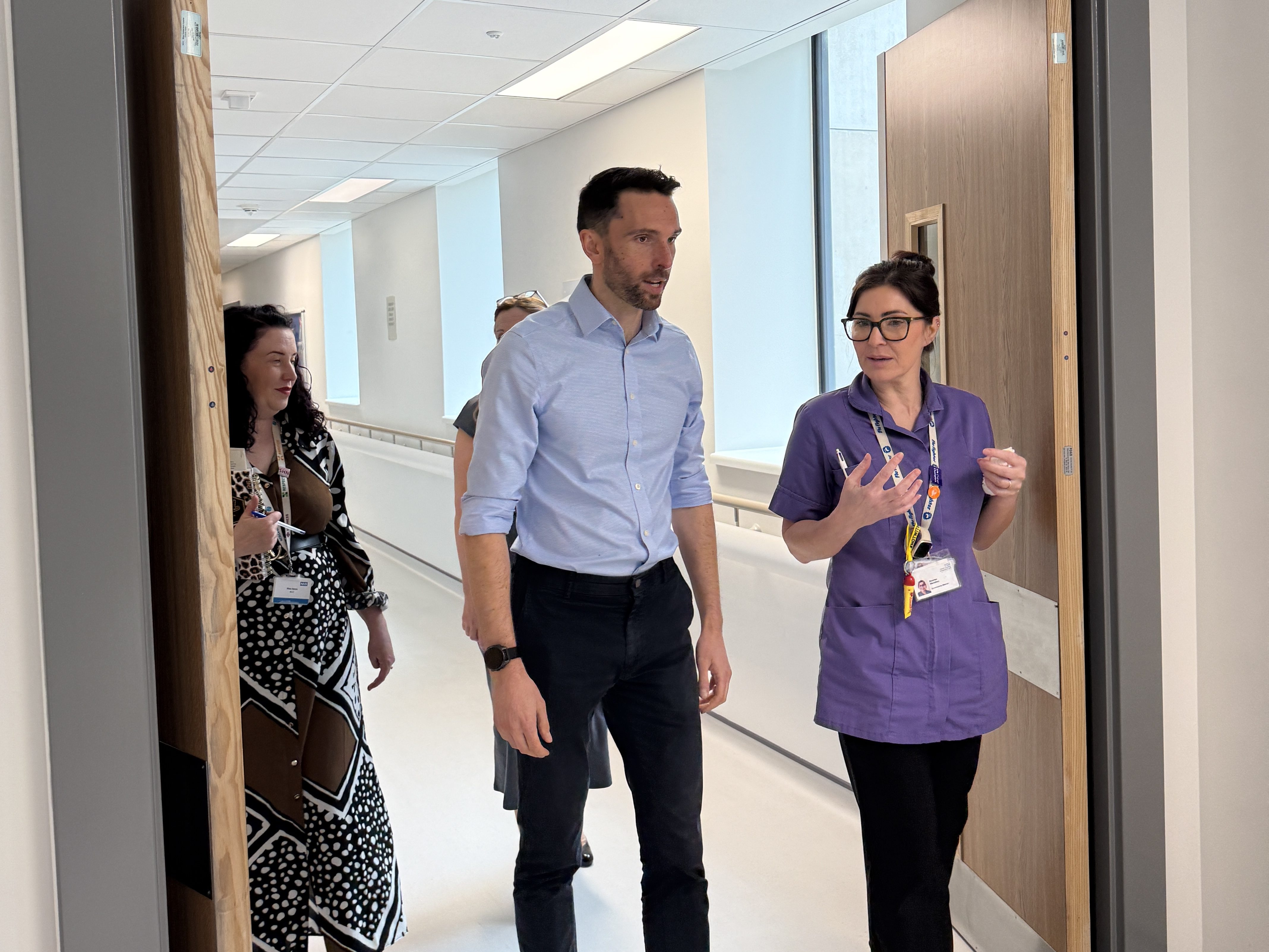
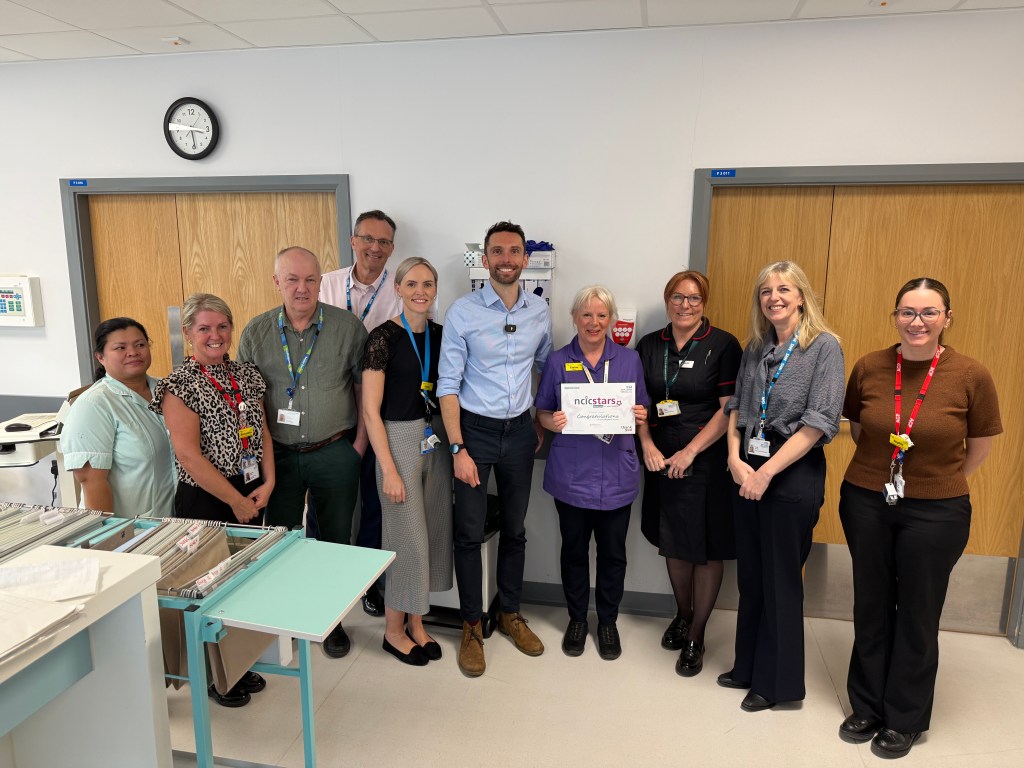
I saw that progress for myself last week on my latest visit to West Cumberland Hospital.
What stood out most wasn’t just the plans on paper – it was the people making it happen.
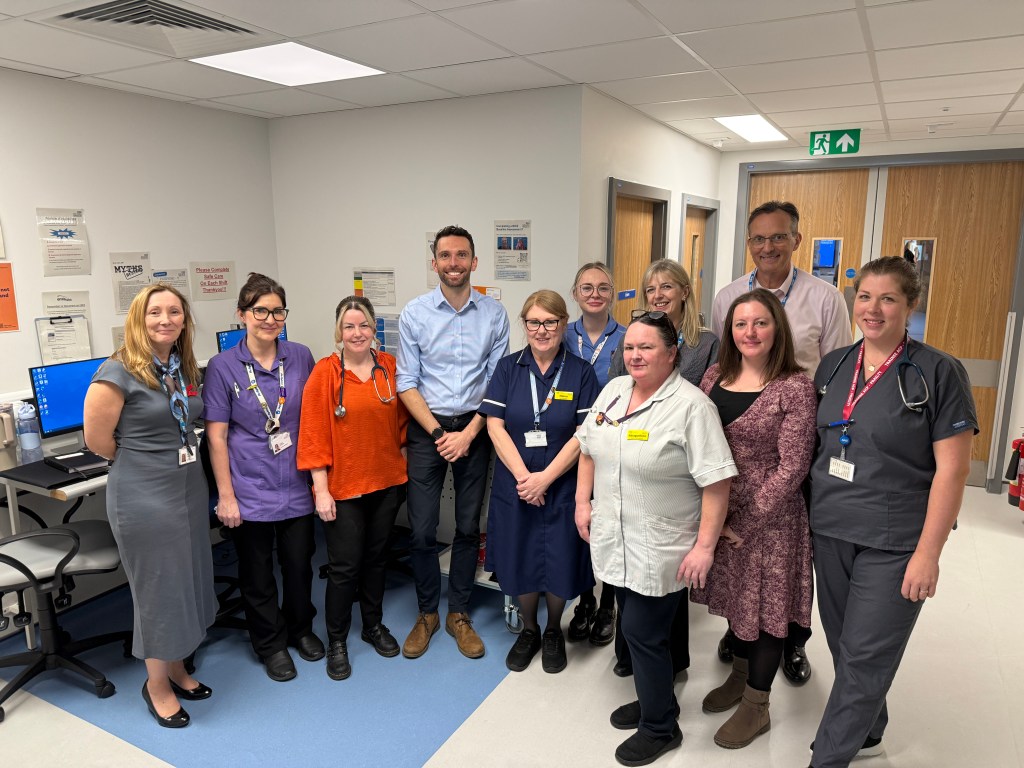
I met Leanne and her team on the Frailty Hub, who are doing incredible work helping older patients get assessed, treated and safely discharged on the same day. In many cases, that means avoiding a hospital admission altogether – better for patients and better for the system.
I also spent time with Elaine (who has dedicated 40 years to the NHS!) and the team behind Same Day Emergency Care. Their work is all about making sure patients are seen quickly, treated in the right place, and don’t spend longer in hospital than they need to.
These are practical, frontline improvements that are already making a real difference – easing pressure on A&E and improving patient experience.
And they are being driven by the dedication and professionalism of NHS staff here in West Cumbria, who continue to go above and beyond every single day.
There is still more to do.
That’s why I’ve been working closely with Ministers to secure additional support to help our local NHS improve faster. The inclusion of our Trust in the Government’s new programme for improvement means expert help will be brought in to tackle long-standing challenges and accelerate progress.
That means driving down waiting times further, improving A&E performance, and ensuring faster diagnosis and treatment for conditions like cancer.
Just as importantly, it means backing the new leadership at the Trust – giving them the support they need to deliver lasting change.
After years of drift, we are now seeing a clear sense of direction.
The journey isn’t finished, but the progress is real – and it’s thanks to the hard work of local staff, new leadership, and the investment we’ve fought to secure.
Our hospital’s best days are ahead of it – and I’ll keep working to make sure that becomes a reality for everyone in West Cumbria.
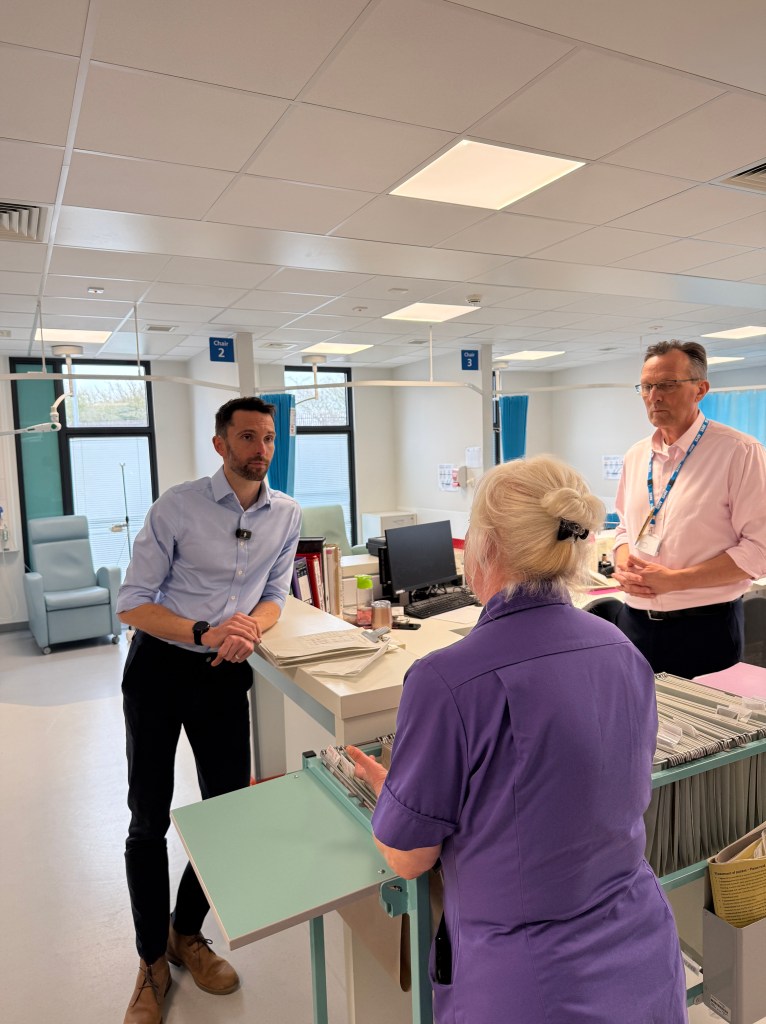
Josh meets the team in the Same Day Emergency Care unit
Josh MacAlister MP has visited West Cumberland Hospital to back ambitious plans to improve urgent and emergency care for patients across West Cumbria.
During the visit, Josh met frontline NHS staff and thanked them for their hard work, as well as seeing first-hand how new investment will support faster treatment and reduce pressure on A&E services.
He visited the Copeland Unit, where a new frailty hub is being piloted – helping older patients receive treatment on the same day without needing to be admitted to hospital. Early results show around three quarters of patients are avoiding admission. 
Josh on the Copeland Unit meeting the Frailty Hub team who are diverting people from A&E
Josh also visited the hospital’s Same Day Emergency Care unit, where plans are in place to extend opening hours and expand staffing – meaning more patients can be assessed, treated and discharged on the same day, including into the evening and at weekends. 
These improvements are part of wider plans to transform urgent and emergency care locally – reducing overcrowding, cutting waiting times and helping patients get the right care more quickly. 
Josh MacAlister MP said:
“It was fantastic to visit West Cumberland Hospital again and see first-hand the work underway to improve urgent and emergency care for local people.
“I want to thank staff for everything they are doing in challenging circumstances – there is real progress being made.
“What’s exciting about these plans is that they are practical changes that will make a real difference: helping people get treated more quickly, avoiding unnecessary hospital admissions, and easing pressure on A&E.
“The new frailty service is a great example of that – already helping patients stay out of hospital and get the care they need sooner.
“I’ve been pushing for more support to help our local NHS go further and faster, and this investment will help do exactly that.
“I’ll keep working with the Trust and Ministers to make sure people across West Cumbria see the improvements they deserve.”
Dr Adrian Clements, Medical Director for North Cumbria Integrated Care NHS Foundation Trust, said:
““We welcomed the opportunity to thank Josh for his ongoing support and to introduce him to some of our teams working in urgent and emergency care to talk about our £4m investment.
“We are putting the resources in place to improve access to urgent and emergency care so that we can see more patients in a timely way, in the right clinical setting. Our staff at West Cumberland Hospital always show great passion and pride in their hospital and it is clear what the investment will mean to them as they work to expand and grow their services.
“We want our staff to feel supported to deliver the very best care to our patients and we welcome any opportunity to work together to make the improvements we all want for north Cumbria.”
The visit followed news that the Trust will receive expert help from NHS England to improve further and faster to ensure patients are receiving timely and effective care. During the visit, Josh met with Trust leaders to discuss their improvement plans and further investment proposals. Josh committed to working with the trust’s leadership to support the improvement journey and secure the funding needed for the hospital.
Josh discussing energy bill support with Energy Minister Martin McClusey
This week brings some welcome news for households across West Cumbria. Government action has led to a cut in the energy price cap, which came into force on 1st April, meaning lower bills for all families on mains electricity and gas – saving the average household around £150.
This protects your bills for the next three months from rising costs as a result of the US/Israeli war in the Middle East.
Alongside that blanket support, additional targeted help is now available for those who rely on heating oil, thanks to £370,000 from the Government for Cumberland Council’s Crisis and Resilience Fund. Around 1,000 families most in need will be able to access hundreds of pounds to pay for heating oil.
This is part of a bigger picture too. With this additional funding, the Government is providing £4.5 million this year for Cumberland’s Crisis and Resilience Fund and more than £12 million over the next three years – providing a stronger safety net for people facing hardship. That’s a significant step forward in ensuring no one is left behind when costs rise unexpectedly.
The approach to this fund is straightforward: prioritising those already known to be on lower incomes, while also ensuring that other struggling households can access support through a simple application process. It’s about making sure help reaches people fairly, without unnecessary barriers.
While this week’s changes will ease pressure, I know many families are still feeling the strain after a difficult few years. Lower bills through the price cap will help, but the reality is that affordability remains a real concern for many households.
Let me be clear – as the Prime Minister has also made clear – we will take further action in the coming months if the situation continues to worsen, in order to protect you and your family. Events are moving quickly and it would be wrong to make decisions now when things could change considerably in a matter of days. But contingency planning is underway and if the conflict in the Middle East continues and energy prices remain high into the autumn, further support will be considered for those who need it most.
Existing planned support this winter will also help. Most pensioners will still receive the winter fuel allowance of up to £300 and thousands more west Cumbrians will have £150 taken off your bills through the Warm Homes Discount, which we’ve now funded for the remainder of this Parliament.
I’m your voice in Government so if there is anything I can help you with, please don’t hesitate to contact me and I’ll do my best to support you.
Josh presenting his Safer Phones Bill in Parliament
Families across Cumbria will benefit from new government guidance to help parents manage screen time for young children, Children and Families Minister and local MP Josh MacAlister has said.
The new guidance, published last week, gives clear, practical and non-judgemental advice to parents of under-fives – helping families navigate one of the biggest challenges of modern parenting.
Josh MacAlister, MP for Whitehaven and Workington and Minister for Children and Families, said:
“Parents across Cumbria have told me how difficult it can be to get the balance right with screen time – especially with so much conflicting advice out there.
“As a local MP, I’ve been working closely with parents, experts and schools on how we better support families in a digital age.
“That’s why I’m proud the government is publishing this new guidance – practical, evidence-based advice developed with over a thousand parents to help families feel more confident in the choices they’re making.”
The guidance includes simple steps such as avoiding solo screen time for under-twos, limiting screen use to around an hour a day for 2–5 year olds, choosing slower-paced and age-appropriate content, and prioritising shared activities like reading, play and conversation.
It comes as evidence shows that while screens are part of everyday life for young children, excessive screen use – particularly alone – can impact early language, social and emotional development.
Josh has been a leading voice pushing for action to tackle the harms caused to children and young people by excessive screen time and social media use. His Safer Phones Bill committed the government to action last year.
Josh MacAlister MP added:
“This guidance is just one step.
“We’re taking wider action – including our ongoing national consultation on children’s online safety – looking at measures like a minimum age for social media, stronger protections from harmful content, and new safeguards around emerging technologies.
“We are absolutely clear: we will not leave parents to navigate this alone.
“I’ll continue working both locally and in government to make sure families in Cumbria have the support they need – every step of the way.”
The new guidance is part of the government’s broader “Best Start in Life” programme, alongside the rollout of Best Start Family Hubs, bringing advice, services and community support closer to families.
There’s a simple question I’ve been focused on since being elected: how do we unlock the full potential of the Port of Workington for our town?
Because the truth is, we already have the foundations. A strategic location on the west coast, deep-water access, rail and road connectivity, and a workforce with real industrial strength. This is a port with the capacity to be a catalyst for growth.
But potential on its own doesn’t create jobs or bring investment. It takes a plan – and a relentless focus on delivery.
That’s why one of the first things I did as your MP was bring together partners to form a Port Taskforce with Cumberland Council, industry and government. The aim was straightforward: move beyond ambition and start building a credible, investable pipeline of projects.
Working closely with Cumberland Council – as the port’s owner and harbour authority – we secured funding to develop a Strategic Outline Business Case. That work has now been completed and sets out a clear vision: by 2040, a thriving clean energy, manufacturing and logistics hub right here in Workington.
But this is not the end of the process – it’s the beginning of the next phase.
Cumberland Council has now commissioned Mott MacDonald to take that initial work further and turn it into something investors and government can back with confidence: detailed, investable propositions that can unlock major upgrades to the port’s infrastructure and capability.
Alongside this technical work, I’ve been making the case directly in Westminster. We’ve brought senior Ministers to the Port and Taskforce meetings to see the opportunity first-hand. We’ve also engaged the National Wealth Fund to position our port as a serious candidate for long-term public and private investment.
Why does this matter? Because the scale of opportunity is significant.
We’re talking about supporting offshore wind in the Irish Sea, strengthening our role in nuclear logistics linked to Sellafield, and creating new opportunities in hydrogen, clean fuels and advanced manufacturing. The port already sits at the heart of these sectors – we now need to scale it up.
We’ve also made real progress on the basics: improving road access, unlocking land for development, and investing in facilities that make the port more competitive. These are the building blocks investors expect to see – and we are putting them in place. And exciting prospects are already in development for new facilities in or near the Port that will create jobs – I hope to be able to say more on those very soon.
None of this happens overnight. But what I want residents to know is this: we now have momentum.
A clear plan. Strong local partnership. Engagement at the highest levels of government. And a growing pipeline of projects that can bring jobs, growth and long-term investment to Workington. The future is bright for the Port of Workington!
Right to maintain contact with siblings to be strengthened in law for children in care via amendment to Children’s Wellbeing and Schools Bill
New requirement will help some of the most vulnerable children in our country to maintain vital family relationships
Amendment passed in House of Lords on evening of Wednesday 25th March, with final decision in the Commons expected after Easter
Children in care will be better supported to build and maintain relationships with their brothers and sisters under new measures brought forward in law by the government, making life better for vulnerable children and ensuring they have the opportunity to get on in life.
All local authorities in England and Wales will be required to promote and facilitate contact for children in care who are separated from their siblings. This change puts sibling contact on an equal footing with parental contact – recognising the vital role these relationships play in providing stability, continuity and emotional support.
Currently, sibling relationships are not prioritised as much as parent relationships for children in care by local authorities. Many care-experienced people have talked about the difficulties of losing contact with siblings as a result of being placed in care, and the long term impact this can have.
The new legislation will ensure that local authorities will do all they can to provide sibling contact, even if, for instance, they are living a long way away from each other. This includes half and step siblings.
It will apply unless it is not in children’s best interests, such as in cases of violence or abuse or where social workers have other concerns about wellbeing.
Children’s Minister Josh MacAlister said:
“It’s a travesty that children in care can end up losing contact with their brothers and sisters when they go into care, and we want that contact be maintained wherever possible for the sake of their emotional stability and their futures.
“Every child’s circumstances are different, but this amendment is aimed at making life better for more vulnerable children and giving them the best possible start in life.”
Chris Hoyle, who was in the care system as a child, said:
“After being initially separated, being reunited with my brother in the same foster placement changed my life. My brother is the longest relationship I have ever had, by some distance. How do you define the value of that? How do you put a price on still being in contact with the person who loved you first? I can’t.
“Jonny is a rock in my life. A 6’2 rock who supports the wrong football team. He keeps me grounded in my identity and provides a safety net that has lasted a lifetime.
“The Department for Education once called us ‘The Hoyle Brothers’. We are a package deal thanks to the bravery of senior staff who decided that sharing a bedroom was not worth losing something that cannot be bought.
“Wherever it is safe and possible, the relationships of siblings in care should be a priority. Those relationships can last a lifetime and are priceless.”
Parice, who has experienced the care system, said:
“Sibling relationships are often built on a strong foundation of support, offering both emotional reassurance and practical help throughout life.
“For those who have experienced the foster care system, these bonds can be especially significant, providing a vital sense of belonging in times of uncertainty. Shared history and memories create a unique connection, alongside similarities that can feel unlike any other relationship.”
The amendment to the Children’s Wellbeing and Schools Bill was welcomed in the House of Lords on Wednesday 25th March, following continued discussions with stakeholders and parliamentarians. Final confirmation is expected following further debate in the House of Commons after Easter.
This change forms part of the government’s wider work to reform children’s social care and ensure that every child has the opportunity to grow up in a stable, loving environment.
This includes work to reduce care placements far from home, and allocating £10.8 million for an expansion of Regional Care Co-operatives to enable better placement planning for children in care.
The DfE is also supporting more siblings in care to stay together with ambitious plans to create 10,000 more foster care places, backed by a total investment of £88m, including £25m to expand existing foster carers’ homes so they can foster more children, including sibling groups.
This is on top of £2.4 billion of investment in the Families First Partnership Programme to help keep families together through early intervention, a pilot for financial support for kinship carers, and reforms to support for adoptive families.
Cathy Ashley, Chief Executive of Family Rights Group, said:
“Growing up alongside brothers or sisters is a fundamental part of childhood that so many of us take for granted. Yet, for too long, our care system has overseen a quiet injustice that the wider public rarely sees: breaking the links between siblings, often when they need one another the most.
“By tabling this amendment, the Government is finally righting this historic wrong. When we provide young people with the right scaffolding, we set them up for a lifetime of success, and sibling bonds are the very foundation of that support. This is a victory for care-experienced young people to ensure our system actively protects the relationships that matter most.”
Anela Anwar, Chief Executive of Become, said:
“We’re delighted the government has agreed to change the law to better protect relationships between children in care and their siblings.
“Too often, children are separated from their brothers and sisters, with little done to maintain those relationships. This change will strengthen duties on local authorities to keep siblings connected and better protect these vital bonds.”
The amendment is part of the government’s landmark Children’s Wellbeing and Schools Bill which is the most transformative piece of child protection legislation in a generation and will put children at the centre of education and social care.
The government will continue working with the sector to support implementation, share best practice, and ensure children across the country benefit from stronger, more stable care arrangements.







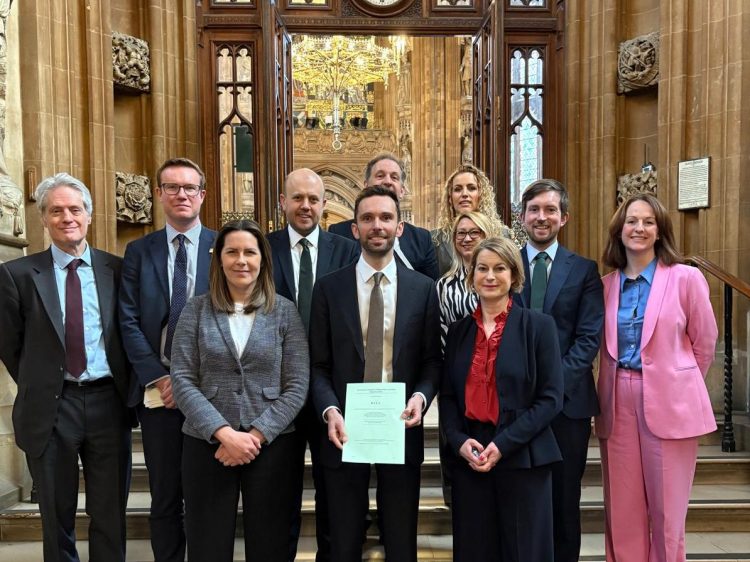


 Josh MacAlister MP