Big drop in ambulance response times for serious emergencies in West Cumbria – new figures

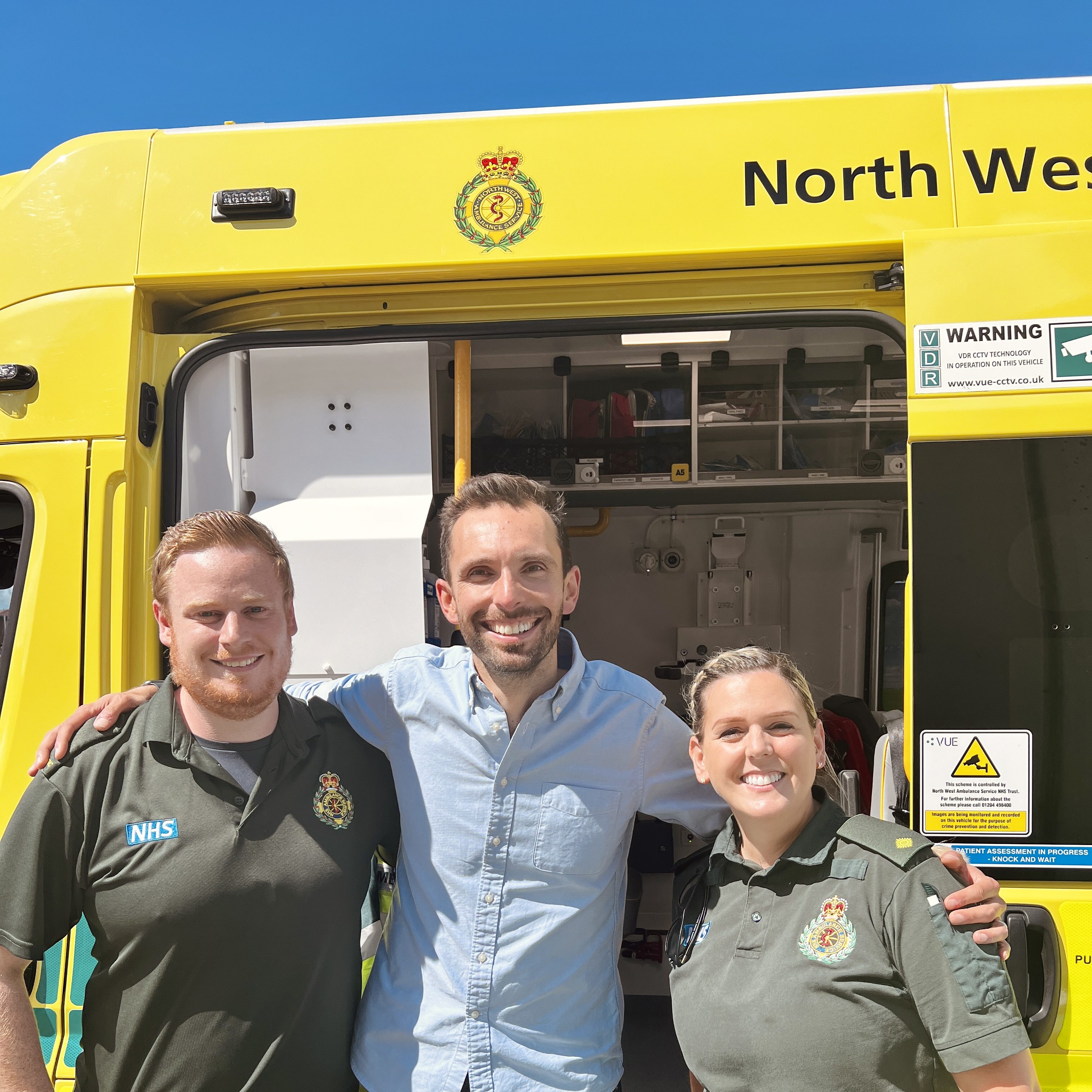
Ambulances are reaching serious emergencies across West Cumbria around 10 minutes quicker than they were a year ago.

For Category 2 incidents such as heart attacks and strokes, local crews are now getting to patients about 10 minutes faster than last year, a real improvement that can make the difference between life and death.

Across the country, average waits are down by a third – from 47 to 32 minutes – following major new investment in emergency care, including an extra £450 million announced through the 2025/26 emergency care plan.

This analysis comes after last week’s news that NHS waiting lists across England fell by more than 86,000 in November, the second biggest single-month drop in 15 years.

For too long, patients were promised change in the NHS but saw very little of it. This Labour government has started to turn that around. Waiting lists are now down by more than 312,000 since we came into office – despite record numbers of people coming forward for treatment – including a drop of 1,025 in north and west Cumbria. GP satisfaction is up. A&E waits are down.

That progress has only been possible because of record investment alongside real modernisation of the NHS – and the hard work of staff right across the country. More evening and weekend appointments. Tests closer to home. Surgical hubs like the one at West Cumberland Hospital cutting backlogs. Specialist “crack teams” getting through operations faster. Millions more GP appointments. And smarter use of technology.

Commenting on the figures, Josh MacAlister MP said:

“Labour is getting our NHS back on its feet here in West Cumbria and right across the country – and you can see that change in faster ambulance responses, higher GP satisfaction, falling waiting lists and shorter waits at A&E.

“The simple fact is that quicker ambulance times like these mean better outcomes for people in West Cumbria. This is lifesaving care arriving faster when families need it most.

“But we know there is much more to do. After years of Conservative failure, our health service was left broken and too often wasn’t there when people needed it. Labour is turning that around with record investment and vital modernisation – and we completely reject Nigel Farage’s dangerous idea of scrapping the NHS and replacing it with private health insurance.

“At the General Election, people in West Cumbria voted for change. By rescuing and rebuilding our local health services, Labour is delivering on that promise.”
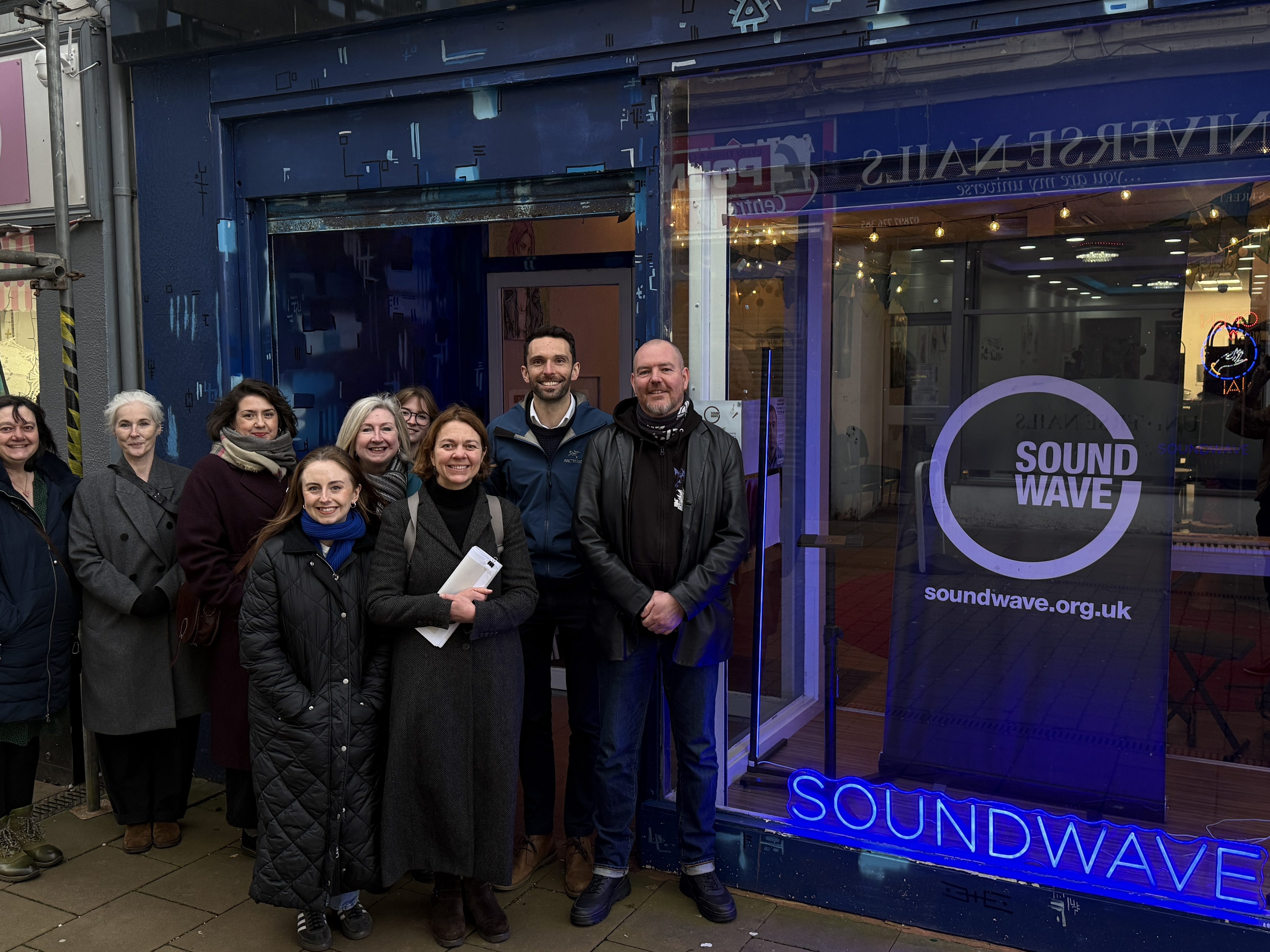
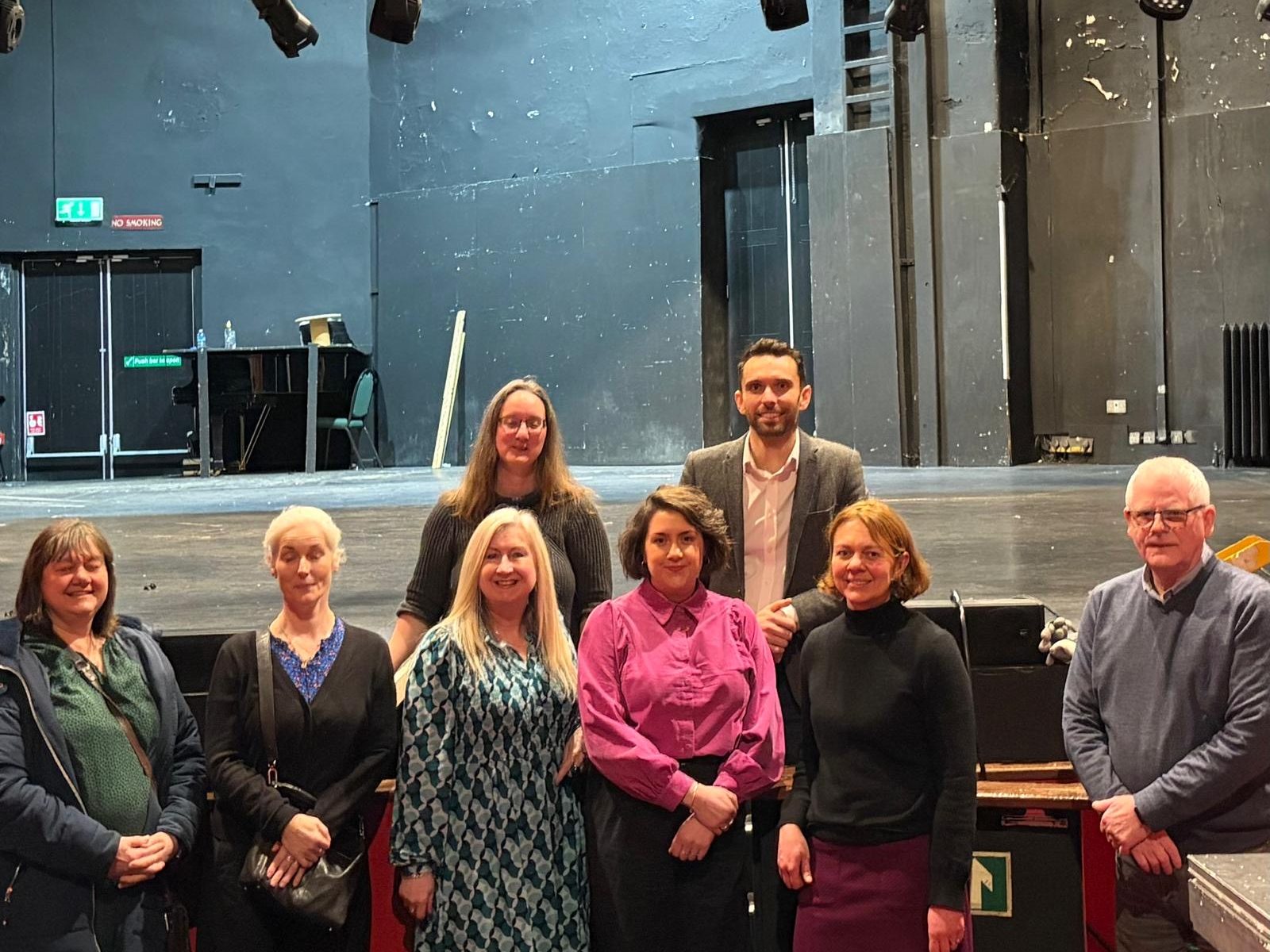
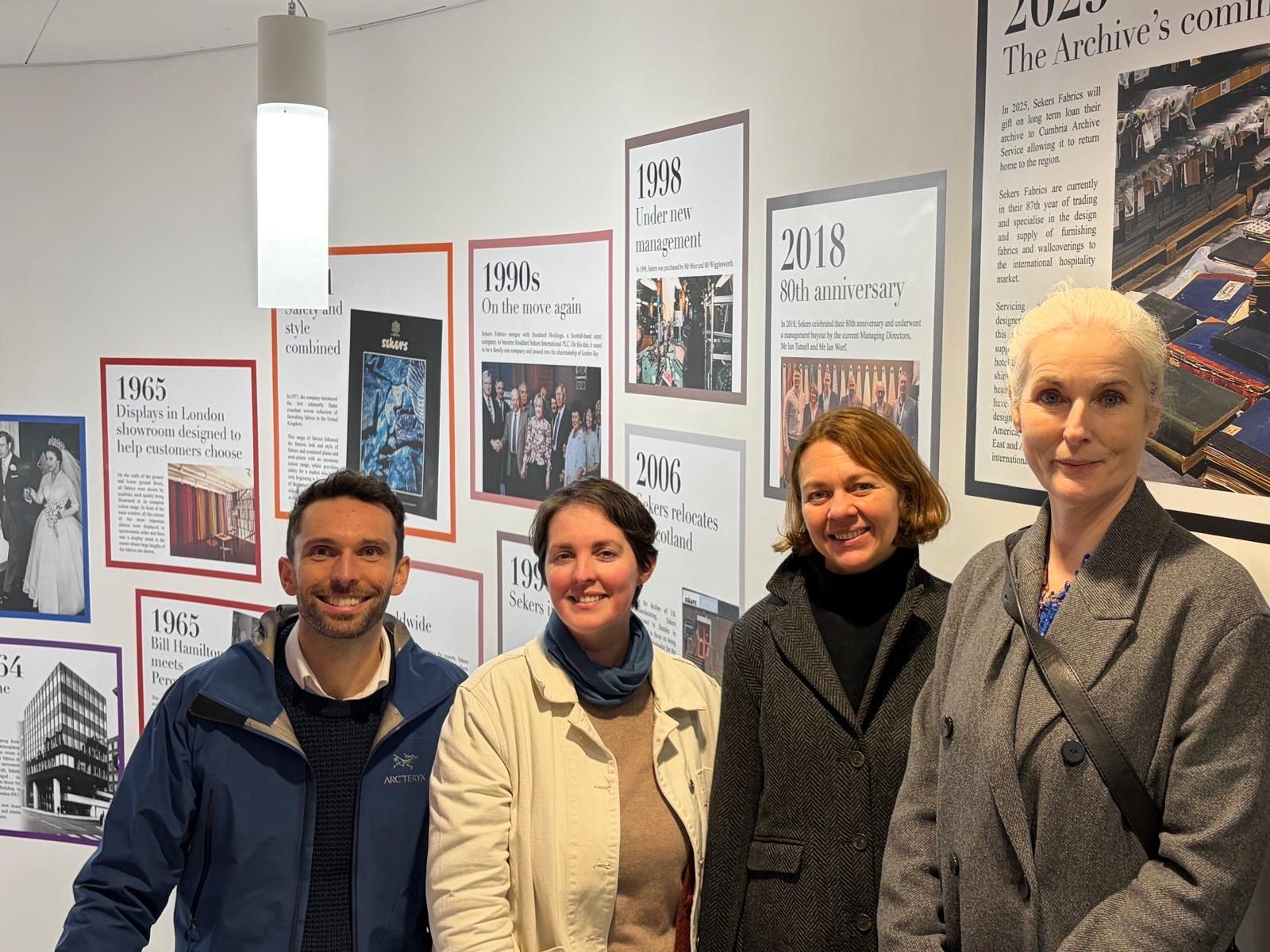
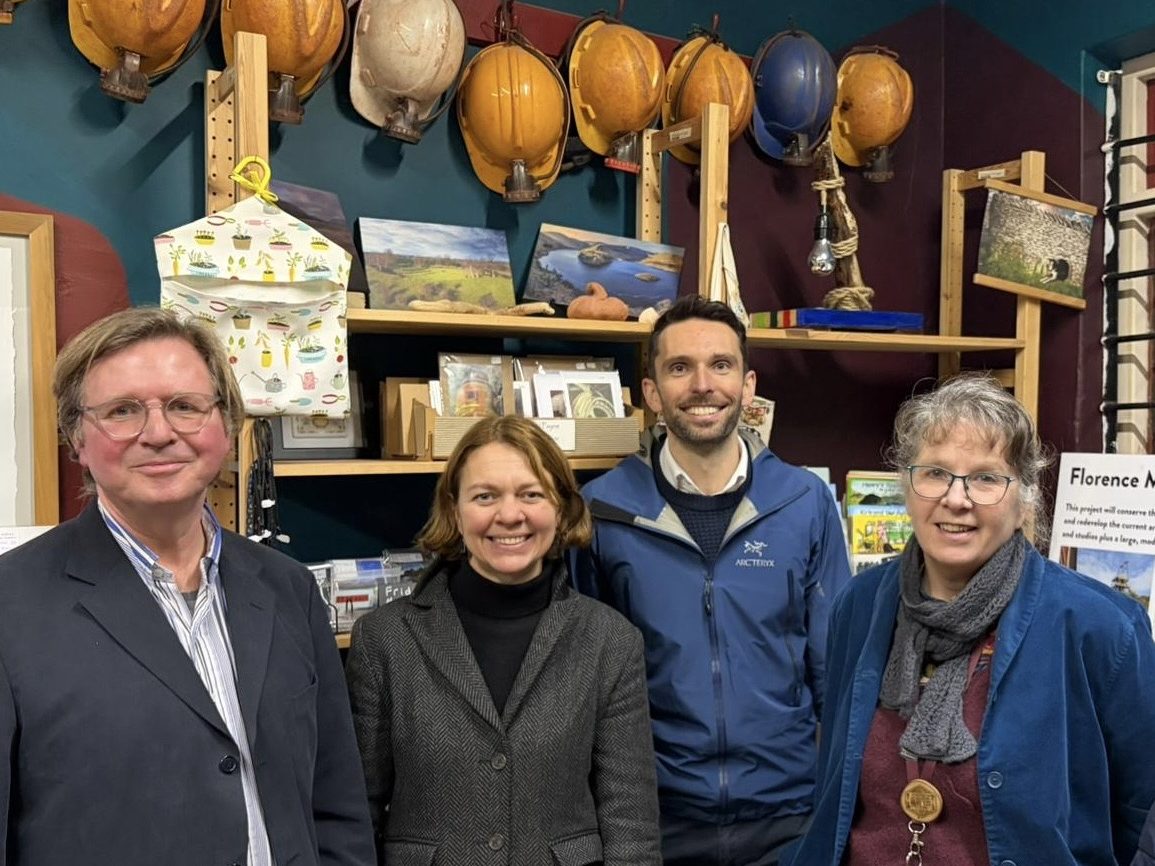
Josh MacAlister MP hosts Arts Council England in West Cumbria

Josh MacAlister MP with representatives from Arts Council England and local organisations visiting Soundwave

Josh MacAlister MP hosted Rebecca Ball, North Area Director of Arts Council England, on a visit to West Cumbria, as part of ongoing work to strengthen and expand access to arts and culture across the area.

Josh invited Rebecca to meet with local arts and cultural organisations to hear first-hand about the opportunities they create for communities, as well as the challenges they face in securing sustainable funding and reaching new audiences.

Visiting the Carnegie Theatre and Arts Centre

During the visit, Josh and Rebecca met with staff and volunteers at the Carnegie Theatre and Arts Centre, Soundwave, Rosehill Arts Trust, Florence Arts Centre, Prism and Everyone Here, discussing the vital role they play in education, wellbeing, local pride and the visitor economy.

The visit concluded with dinner at Muncaster Castle, providing further opportunity to discuss how national funding bodies and local partners can work together to support arts and culture in West Cumbria.

They also visited Rosehill Theatre

Josh MacAlister MP said:

“West Cumbria has an incredible range of creative talent and cultural organisations that make a real difference to people’s lives. From giving young people opportunities to discover music and theatre, to attracting visitors and supporting our local economy, these organisations are central to our community.

“By bringing Arts Council England to West Cumbria, I want to make sure our area is firmly on the map when it comes to future investment. Expanding access to arts and culture shouldn’t be something only available in big cities – everyone should be able to benefit, wherever they live.”

Rebecca Ball, North Area Director of Arts Council England, said:

“It was a real pleasure to visit West Cumbria and to see the breadth of creative work taking place across the area. The organisations we visited are deeply rooted in their communities and clearly ambitious about reaching more people.

“Arts Council England is committed to continue supporting cultural organisations in West Cumbria, and visits like this are invaluable in helping us understand local priorities and how our investment can have the greatest impact.”

In a joint statement, the Carnegie Theatre and Arts Centre, Soundwave, Rosehill Arts Trust and Florence Arts Centre said:

“We were delighted to welcome Josh MacAlister MP and Arts Council England to West Cumbria. Our organisations work with thousands of local people every year – from children and young people discovering creativity for the first time, to audiences, artists and volunteers of all ages.

“Like many cultural organisations, we face real challenges around funding, rising costs and long-term sustainability. Having the opportunity to share both our challenges and our ambitions directly with Arts Council England is hugely important. We look forward to continuing to work together to ensure arts and culture remain accessible, inclusive and thriving across West Cumbria.”

The visit wrapped up at Florence Arts Centre in Egremont

Josh will continue to work with Arts Council England and cultural partners to make the case for greater investment in arts and culture across West Cumbria, ensuring that local organisations and projects have the support they need to grow and succeed.

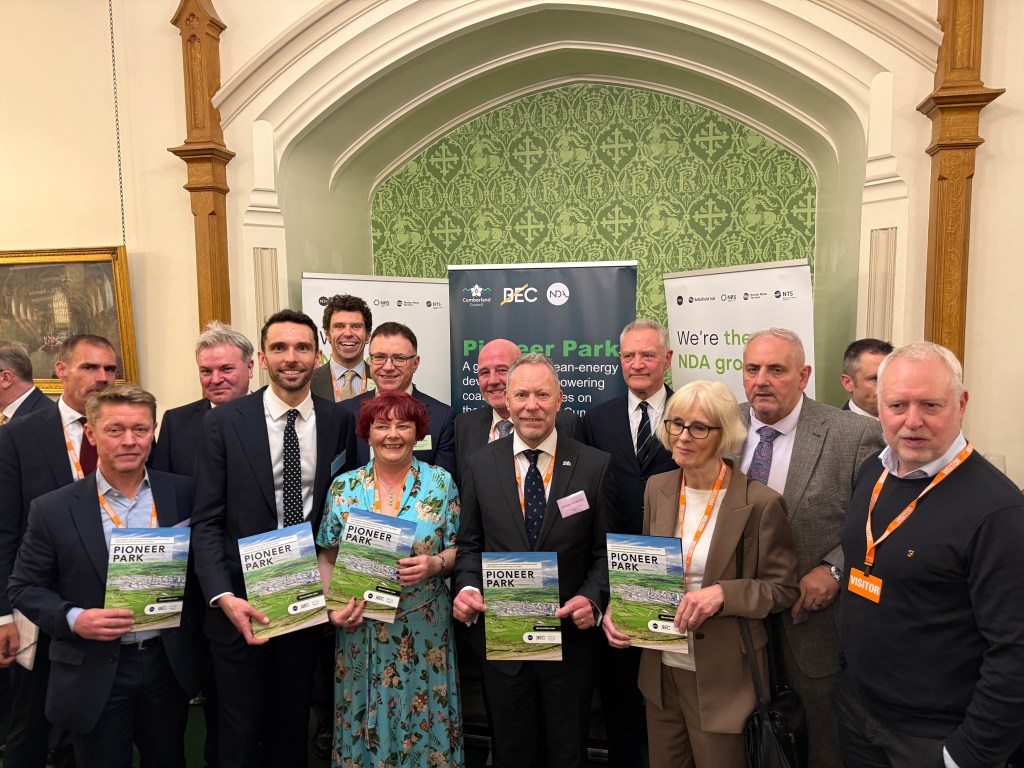
Pioneer Park showcased at Nuclear Week in Parliament

Pioneer Park was proudly showcased at Nuclear Week in Parliament this week, with a strong and positive response to ambitious plans for a new nuclear-led clean energy park in West Cumbria.

The event provided a valuable opportunity to highlight the scale of the opportunity at Pioneer Park and the role the site can play in supporting the UK’s clean energy and nuclear ambitions. There was significant interest from nuclear developers and industry partners, underlining both the credibility of the proposals and the growing appetite to invest in West Cumbria.

Pioneer Park is central to plans to drive long-term economic growth in the area, creating high-quality jobs, supporting skills development, and ensuring West Cumbria remains at the forefront of clean energy innovation.

Josh MacAlister MP said:

“Pioneer Park shows what West Cumbria has to offer when we are clear about our ambition and serious about delivery.

“Nuclear Week was a chance to put West Cumbria firmly on the map, and the level of interest from developers was incredibly encouraging. There is real momentum behind these plans, and that matters because it means jobs, skills and investment for our community.

“This is about doing things properly – laying strong foundations now so that we can unlock long-term opportunities and ensure West Cumbria plays a leading role in the UK’s clean energy future.”

The strong interest at Nuclear Week builds on progress already underway, including the next steps toward developing a Masterplan for the Pioneer Park site. Local development corporation BEC is leading the process to select an organisation to produce the Masterplan, with the selection phase due to conclude in mid-February.

This work forms part of a £1 million investment to kickstart the development of Pioneer Park, helping move the project from concept to delivery by putting robust planning, engagement and commercial foundations in place.

Michael Pemberton, Chief Executive of BEC, said:

“Pioneer Park is a nationally significant opportunity, and it’s encouraging to see the level of interest it generated during Nuclear Week. The conversations we’re having with industry show that West Cumbria is seen as a credible and attractive location for clean energy development.

“BEC is leading the selection of the organisation that will produce the Masterplan, ensuring we appoint a team with the right expertise to shape a deliverable, future-focused plan for the site. The selection process is now underway and will conclude in mid-February, marking another important milestone for the project.”

Showcasing Pioneer Park in Parliament was about demonstrating that West Cumbria is ready to lead, ready to partner, and ready to deliver. With growing industry interest, investment secured, and the Masterplanning process moving forward, Pioneer Park is taking confident steps towards becoming a major clean energy hub for the UK.

Weekly Column – 21.01.2026 – Improving SEND support in our schools

There’s a story I’ve heard many times from parents across West Cumbria, and I suspect many readers will recognise it.

It’s the story of a child who was struggling at school. Instructions felt overwhelming. Busy classrooms were exhausting. Slowly, quietly, that child began to believe that school simply wasn’t for them. Parents watched their confidence drain away and felt powerless to stop it. For any family, that experience is heartbreaking.

Then something changed. A teacher took the time to really understand that child. Instead of seeing a problem to be managed, they saw a bright, curious young person who needed to be taught differently. Tasks were broken down. Instructions were supported visually. Extra time was given to process. Expectations became clearer and more consistent.

Within a year, that child was thriving. For some, that meant discovering a love of reading. For others, making friends or feeling excited to go to school in the morning. Sometimes it was simply the confidence to take part in class. For parents, it meant the relief of finally feeling their child was understood.

This is what great teaching looks like, and I’ve met many teachers like this on visits to schools across West Cumbria.

But for too long, teacher training has been inconsistent. That hasn’t just let families down; it has frustrated teachers too. Many have told me they want to do the right thing, but haven’t always had the training or support to meet the full range of needs in today’s classrooms.

We’ve already started to address this for new teachers, with a stronger focus on adaptive teaching and supporting pupils with SEND. But that still leaves many experienced staff who trained under earlier systems and were left with a patchwork of support.

Nearly half of teachers say more training would help their confidence. Parents I’ve met through local SEND roundtables have echoed this repeatedly: the goodwill is there, but schools cannot be expected to solve these challenges alone.

That’s why a new £200 million investment in SEND training matters. It will give teachers and support staff across West Cumbria practical tools to support children with speech and language needs, visual impairments and other additional needs, from the early years through to college. Just as importantly, it will help schools build inclusive cultures where every child feels they belong.

This kind of teaching doesn’t just benefit children with additional needs. When teachers are confident in adapting their approach, everyone gains: the child who needs more time to process, the child ready to be stretched further, and all those in between. Inclusive classrooms work better for everyone.

No one pretends this fixes everything overnight. Families here have faced years of frustration, and rebuilding trust will take time. But confident, well-supported teachers are the foundation. When children feel safe and understood, everything else follows: attendance, wellbeing and achievement.

New Government action to protect children online

Josh with representatives from West Cumbria’s high schools discussing online safety

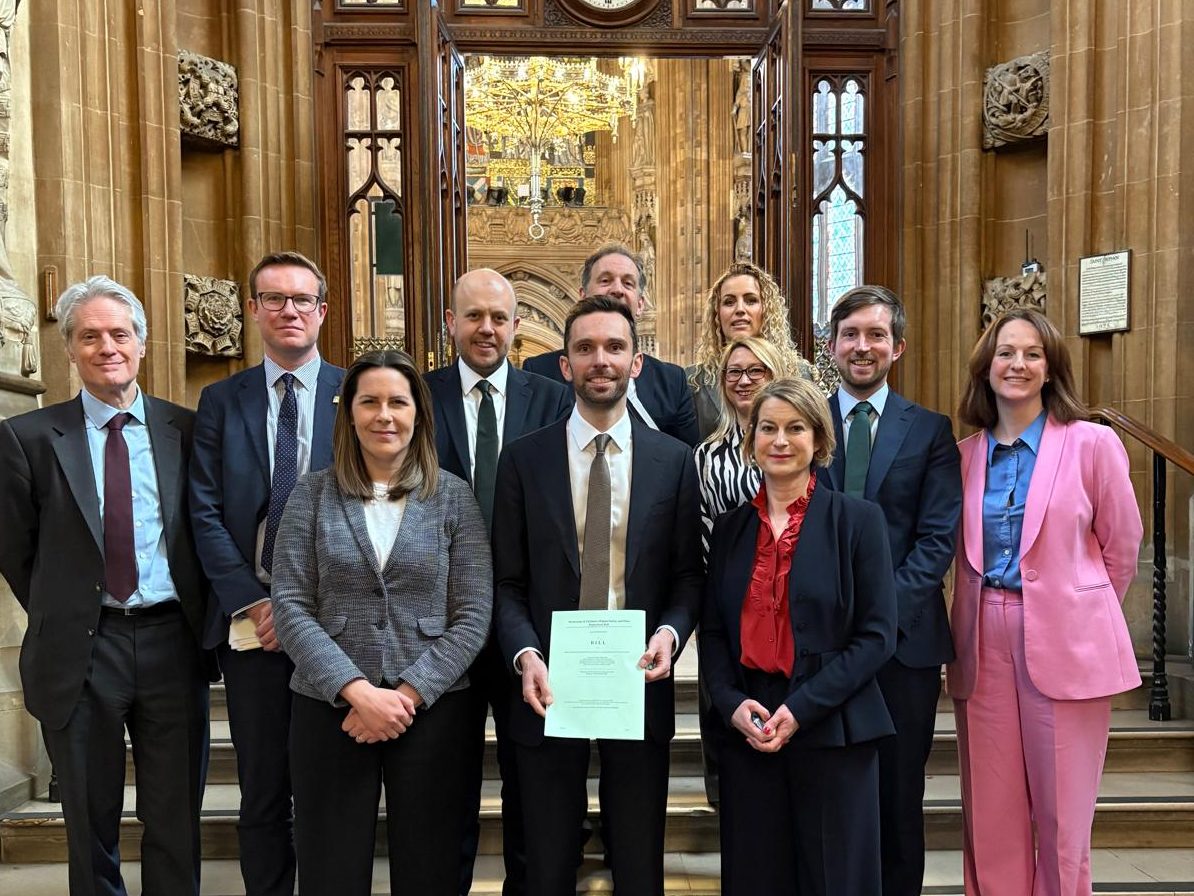
The government has today set out further action to improve the relationship of children and young people with mobile phones and social media, an issue that Whitehaven and Workington MP Josh MacAlister has worked on since he was elected.

The government will bring forward a rapid three-month consultation on additional measures to keep children safe online. This will include consideration of options such as restricting access to social media for children under 16, raising the digital age of consent, and addressing features that can encourage excessive or compulsive use.

In a statement to Parliament announcing the plans, the Secretary of State for Technology, Liz Kendall, referenced the Safer Phones Bill put forward by Josh MacAlister last year before he was appointed as a Minister:

“Last year, the Government said in response to a Private Member’s Bill brought forward by my hon. Friend the Member for Whitehaven and Workington (Josh MacAlister) that there would have to be further action on these issues.

“Today I can tell the House that we will bring forward a swift three-month consultation on further measures to keep children safe online. That will include the option of banning social media for children under 16 and raising the digital age of consent, to stop companies using children’s data without their or their parents’ consent.

“We will consult parents, the organisations representing children and bereaved parents, technology companies and, crucially, children and young people themselves, because their views and voices must be heard… We will make sure that the consultation is evidence-led, with input from independent experts.”

Before being appointed as a Minister, Josh tabled a Private Members’ Bill to tackle addictive smartphone and social media use

Alongside the consultation, immediate steps will be taken in schools. Ofsted inspectors will check that mobile phone policies are in place and effectively enforced at every inspection, supported by clearer national guidance making it explicit that schools should be phone-free environments by default. Schools that need support will be able to draw on expertise from Attendance and Behaviour Hub schools already implementing these policies successfully.

Parents will also be supported with new, evidence-based guidance on screen time for children aged 5 to 16, complementing guidance for under-fives due later this year which was announced last week.

Josh MacAlister MP said:

“I’ve heard from hundreds of young people, parents, teachers and health professionals in Cumbria and across the country about the harms of unchecked social media use and screen time. Many feel that the pace of technology has been set without children’s wellbeing at its heart.

“From my Safer Phones Bill onwards, I’ve been clear that we need firm, practical rules that back parents and schools, not leave them to cope alone. The government’s proposals seek to address this, giving children and young people in Cumbria and across the country the freedom to learn, play and grow without constant digital pressure. Phones and social media should serve young people – not the other way around.

“I urge local young people, parents, educators and others to engage with the consultation and make sure your views are heard. I will be organising local opportunities to have your say – sign up to my e-mail list for details.”

The proposals build on the UK’s world-leading online safety framework and wider reforms to give every child the best possible start in life, including curriculum reform and stronger digital and media literacy skills. Evidence from around the world will be examined, with ministers learning directly from international approaches, including in Australia.

For Cumbria’s families, schools and communities, the message is clear: children’s wellbeing comes first, online as well as offline, and the next phase of reform will be shaped by those most affected.

Watch Josh’s video following the announcement

NHS waiting list falls by 1,025 in North and West Cumbria

Hundreds of west Cumbrians are no longer waiting for NHS treatment thanks to government action to drive down waiting lists. 

The latest figures show 1,025 fewer patients on the waiting list at North Cumbria Integrated Care NHS Trust compared to July 2024 as England recorded its second-biggest monthly drop in 15 years in November.

New figures show that across England the NHS waiting list fell by more than 86,000 in November, down to 7.31 million, despite staff facing record levels of demand in 2025.

The progress comes after the NHS’s busiest year ever, with 27.8 million A&E attendances in 2025 – more than 367,000 higher than in 2024 – including 2.33 million attendances in December alone.

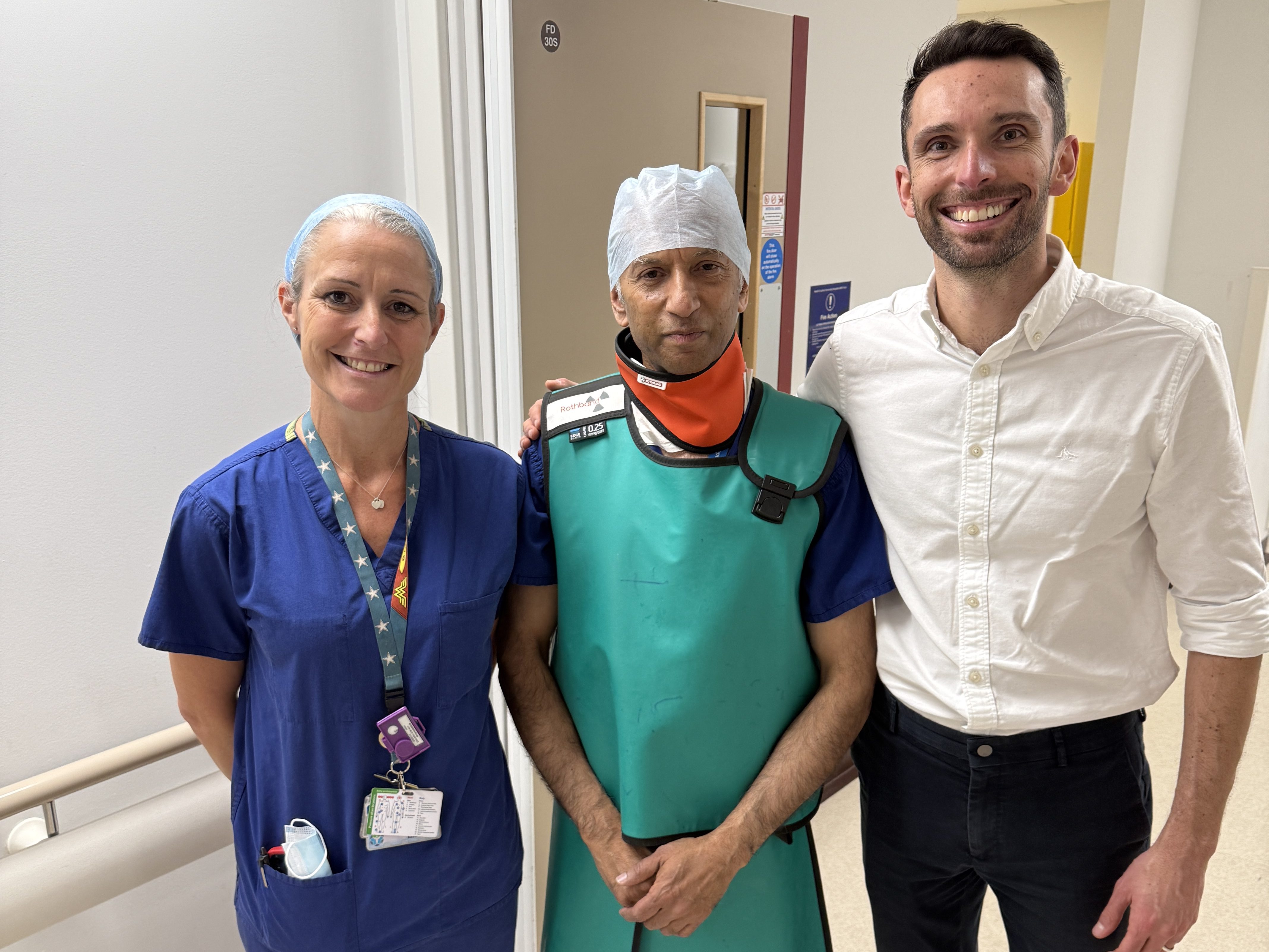
On a recent visit to the Elective Surgical Hub at West Cumberland Hospital, Josh MacAlister MP thanked NHS staff for their continued hard work in bringing waiting times down, as the Labour government marked one year since the publication of its Elective Reform Plan to tackle long waits.

Since the Elective Reform Plan was launched, Labour has delivered record investment and practical reform to bring waiting lists down. That includes expanding evening and weekend clinics, opening new and upgraded community diagnostic centres and surgical hubs, deploying specialist support teams to hospital trusts under the greatest pressure, and cutting unnecessary appointments by moving patients straight to tests where clinically appropriate.

In North Cumbria Integrated Care NHS Trust, these changes have helped more patients receive quicker diagnoses and treatment.

Josh MacAlister MP said:

“NHS staff in West Cumbria have worked incredibly hard over the past year, reducing waiting lists while dealing with another record surge in demand.

“Thanks to Labour’s Elective Reform Plan, real investment and sensible modernisation, more than a thousand patients in north and west Cumbria have received quicker tests, faster treatment, or reassurance sooner than they would have otherwise.

“This progress has been made despite continued pressure on A&E and ambulance services.

“There is still a long road ahead, but step by step Labour is fixing our NHS and making it fit for the future.”

SEND training boost to support West Cumbria’s schools and families

Children and young people with special educational needs and disabilities (SEND) in West Cumbria are set to benefit from a major expansion of training for teachers and school staff, aimed at improving support in local nurseries, schools and colleges.

The new national training offer follows extensive engagement with parents and education professionals, including feedback raised locally by Josh MacAlister through meetings with families, schools and SEND groups across West Cumbria. Concerns raised locally about delayed support and inconsistent provision have been fed directly to ministers at the Department for Education.

Under the plans, backed by £200 million, all teaching staff will have access to new SEND training focused on practical classroom strategies to support a wide range of needs, including speech and language support and visual impairment. Training will also cover the use of assistive technology and whole-school approaches to inclusion.

The programme is designed to fit around the realities of school life in West Cumbria, with flexible online learning alongside in-person sessions. Teaching assistants and early years staff will also receive dedicated training, helping to ensure needs are identified and supported earlier.

The training will be underpinned by updated expectations in the SEND Code of Practice, making clear that staff in every nursery, school and college should receive SEND and inclusion training.

The announcement builds on wider investment to increase inclusive places in mainstream schools, alongside funding to expand specialist provision. Together, these measures aim to reduce the pressure on families, improve attendance and wellbeing, and ensure more children can be supported close to home.

Josh MacAlister MP said:

“Families across West Cumbria have been clear that the SEND system needs to work better and earlier for their children. Schools and staff want to help, but they need the right training and support to do so.

“This new training offer responds directly to what parents and schools have been telling me locally, and I’ve made sure those concerns have been raised with colleagues at the Department for Education. The focus is on practical support in classrooms, earlier identification of need, and giving families confidence that their child will be supported at their local school.”

Weekly Column – 14.01.2026 – Addressing your concerns about illegal immigration

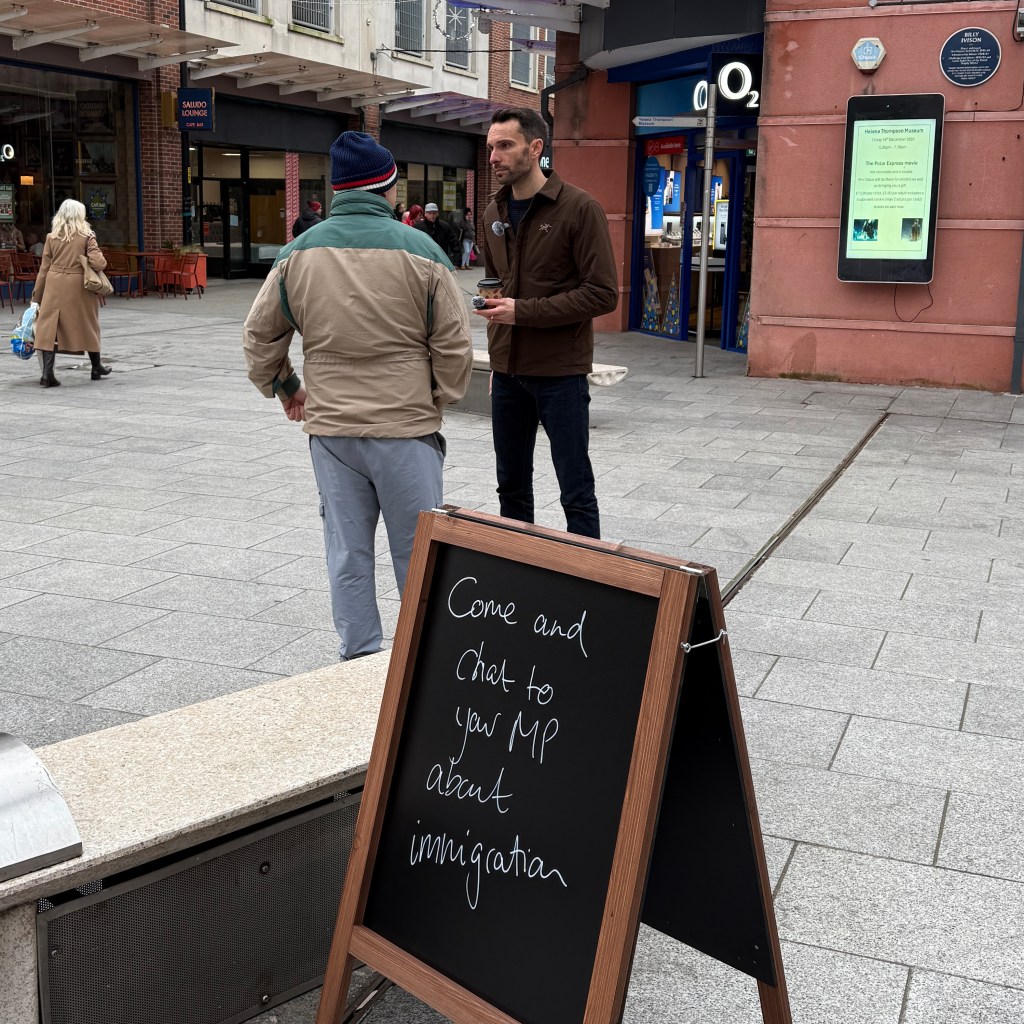
Shortly before Christmas, I took to the streets of Workington town centre and invited west Cumbrians to come and talk to me about immigration. It’s a subject some politicians avoid like the plague, but I don’t want to duck the big issues. I can only represent your interests in Parliament if I’m listening carefully to what you think and what you want me – and the government – to do.

The message came through loud and clear: you want illegal immigration stopped and our borders controlled. People aren’t opposed to legal migrants who contribute to our NHS, our care homes and our communities – quite the opposite. You know that without those workers, public services in West Cumbria would struggle. I also heard real sympathy for genuine refugees who arrive through safe and legal routes. But you are rightly fed up with a broken system that has allowed criminals to exploit vulnerable people, undermine law and order, and leave taxpayers footing the bill for those who have no right to be here.

So let me spell out what this government is doing – and why I think you’ll welcome it. We are going after people-smuggling gangs, accelerating the return of those with no right to stay, and fixing the chaotic asylum system we inherited.

You may not have seen it splashed across the front pages, but just last week Adem Savas was sentenced to 11 years in prison and fined £346,000 for his role as the single most significant supplier of boats and equipment to Channel-crossing gangs over the past five years. His kit was used in half of all crossings in 2023 alone. This conviction followed a joint UK-Belgian operation launched by this government to smash the gangs – exactly as we promised at the election.

And that’s not all. Our Border Security, Asylum and Immigration Act, which became law in December, has given law enforcement unprecedented powers: accessing smugglers’ phone data, creating new offences for supplying boats and engines, and criminalising the online promotion of illegal crossings. One of those new offences – endangering life at sea – was used for the first time earlier this month to arrest an 18-year-old who piloted a boat carrying 46 people across the Channel.

We’ve secured a deal with France that has returned just shy of 200 people who crossed illegally and we will be ramping this up . We’ve worked with Germany to pass new laws that could jail smugglers storing boats there for up to ten years. We’ve led the world with the first sanctions targeting more than two dozen key figures in smuggling networks. Hundreds of people working illegally – including nine here in West Cumbria – have been arrested. We’re expanding “deport now, appeal later” for foreign national offenders. And since the election, 50,000 people have been returned.

These are real examples of real action.

To those in West Cumbria who want illegal immigration stopped: I hear you, I agree with you, and this government is delivering. It’s time to restore control, uphold humanity, and make the system work – for communities and for those truly in need.

Cumbria to be included in new Uplands Transformation project after push by local Labour MPs

Cumbria is set to be included in a new national Uplands Transformation project following months of joint work by Josh MacAlister MP and the county’s other Labour MPs with ministers and leading experts, alongside a wider package of measures to support farmers and rural communities.

The project, following work led by social entrepreneur Dr Hilary Cottam for the Department for the Environment, Food & Rural Affairs, will trial a new network-based approach to supporting upland communities. After initial work on Dartmoor, it will expand into Cumbria later this year, recognising the unique challenges facing upland farming and the rural communities that depend on it.

The announcement follows sustained engagement by Cumbria’s Labour MPs – Josh MacAlister, Julie Minns, and Michelle Scrogham – working with ministers to ensure Cumbria’s voice is heard and the county is included as the programme develops.

The Uplands Transformation project builds on feedback from farmers and upland communities over the past year. Dr Cottam was hosted by MPs in Cumbria last summer and met with farmers, agriculture businesses and nature and environmental charities to discuss the potential of Cumbria’s inclusion in the project. Over the next two years, it will focus on delivering practical, system-wide, change that will be led by local people who understand best how to solve the problems they are facing. The project will provide support to grassroots initiatives creating stronger farming clusters, exploring new mutual funding models, and laying the foundations for additional income streams, from nature-based enterprises to regenerative tourism and circular economy initiatives.

Alongside the uplands work, the government has announced a wider package of measures for farmers, including:

  • Reforms to the Sustainable Farming Incentive (SFI) to cut complexity and prioritise smaller farms
  • A three-year extension to the Farming in Protected Landscapes programme, with £30 million next year alone
  • A new £30 million investment to support farmer-led advice, collaboration and peer-to-peer learning

Josh MacAlister MP said:

“Farming in Cumbria is different – tougher land, harsher conditions, longer distances and communities that depend on farming not just for food, but for the fabric of rural life. For too long, national schemes haven’t reflected that reality.

“That’s why I’ve been working closely, alongside my Cumbrian Labour colleagues, with ministers and Dr Hilary Cottam to make sure Cumbria is included in this uplands work. This is about listening to farmers, backing local networks, and building practical solutions that work on the ground – not imposing one-size-fits-all answers from Whitehall.

“These announcements are a step towards giving farmers more certainty, less bureaucracy, and support that recognises the vital role they play in our landscapes, our food system and our rural economy.”

Further details on the Sustainable Farming Incentive will be published ahead of the next application window which opens in June, and work on the Uplands Transformation project will continue to develop with local MPs and communities fully involved.

Local farmers are invited to attend Josh’s next Farmers’ Forum at 6pm on Friday 30th January in Whitehaven to find out more. Register at joshmacalister.uk/meetjosh

Passengers in West Cumbria set to save over £160,000 thanks to fares freeze

New analysis from Josh MacAlister MP reveals local rail users are set for a cost of living boost thanks to the first freeze on rail fares in 30 years.

There are over 1 million journeys that either start or end at stations in West Cumbria each year – an estimated 45% are regulated and therefore subject to Labour’s fare freeze. With the average journey costing £6.88, a usual rise by July’s inflation figure would have seen each fare increase by 33p, meaning a total hike across those stations of £162,000 – a figure that local passengers will now save this year thanks to Labour.

Publishing the figures, Josh said:

“We are determined to help west Cumbrian families with the cost of living. Inflation is falling, wages are rising – including a huge rise in the minimum wage – and help is on the way with energy bills, more free breakfast clubs and an expansion of free school meals. Now rail fares are frozen for the first time in a generation, putting real money back in passengers’ pockets and circulating around the local economy.”