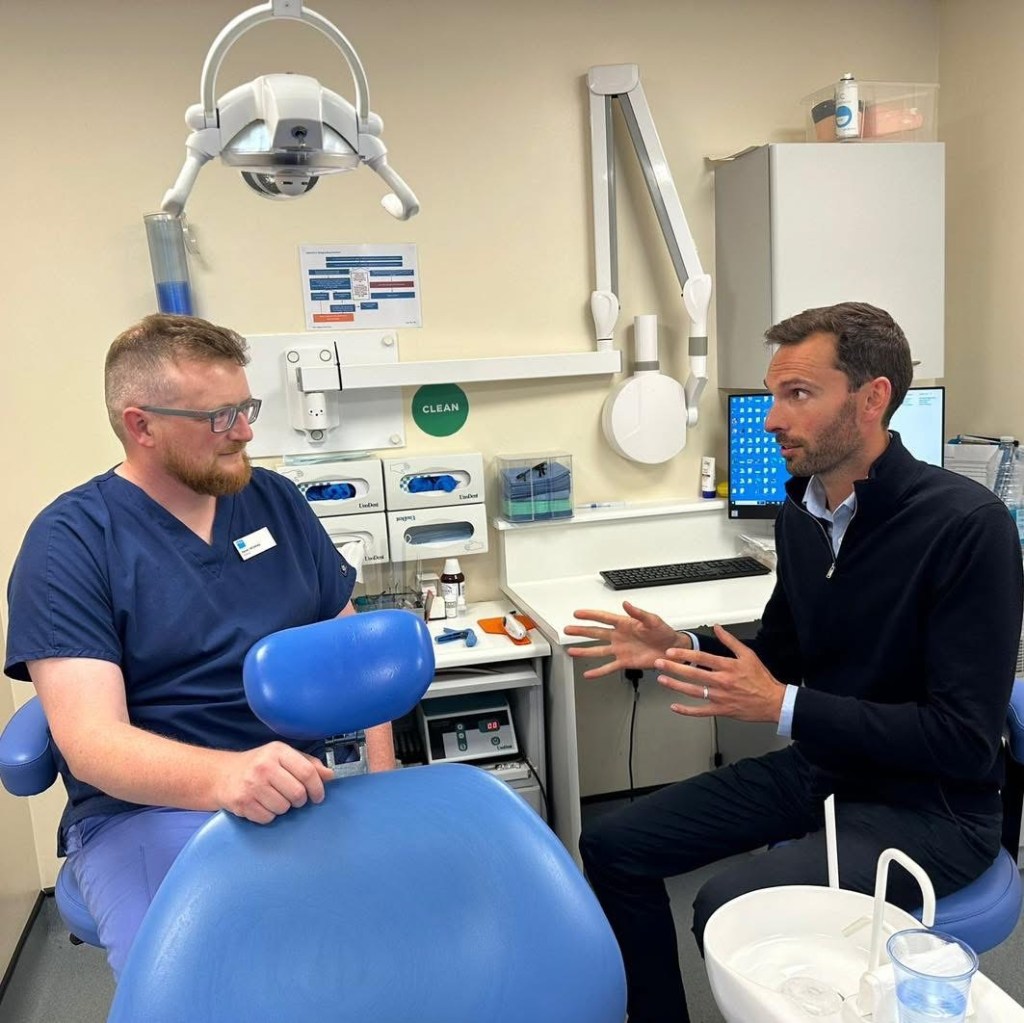
Plans to expand the number of dentists working in the NHS were announced last week, as part of wider efforts to improve access to NHS dentistry.
The government has confirmed it will increase the number of dental training places – the first major expansion of dental training places in nearly twenty years – helping to grow the NHS dental workforce in the years ahead.
The announcement also included measures to strengthen the NHS dental workforce by improving routes for overseas-qualified dentists to practise in the UK and introducing requirements to ensure more newly trained dentists spend time working in the NHS.
Whitehaven and Workington MP Josh MacAlister said the announcement builds on action taken since summer 2024 to rebuild NHS dentistry and improve access to care.
Over the past 18 months the government has introduced additional funding and incentives to encourage dentists to provide NHS treatment, including payments for dentists who take on new NHS patients and recruitment incentives aimed at areas facing shortages.
Encouragingly, people in West Cumbria are already beginning to see improvements. Over the last year, new NHS dentists have begun working in Egremont, Whitehaven and Workington and an Urgent Dental Access Centre in Whitehaven is now treating around 140 patients every week
Josh MacAlister MP said:
“Access to NHS dentistry has been a major concern for many people across West Cumbria.
“Over the past 18 months I’ve been working with local dentists, the NHS and ministers to push for improvements, and the government has introduced additional funding and incentives to encourage dentists to provide NHS care.
“This latest announcement to expand dental training places – the first major expansion in nearly twenty years – alongside reforms to bring more dentists into the NHS workforce will help strengthen dentistry for the future.
“Importantly, we’re already starting to see progress locally, with new NHS dentists now working in Egremont, Whitehaven and Workington and an Urgent Dental Access Centre treating around 140 patients every week.
“There is still more to do, but these are important steps in the right direction for patients across West Cumbria.”
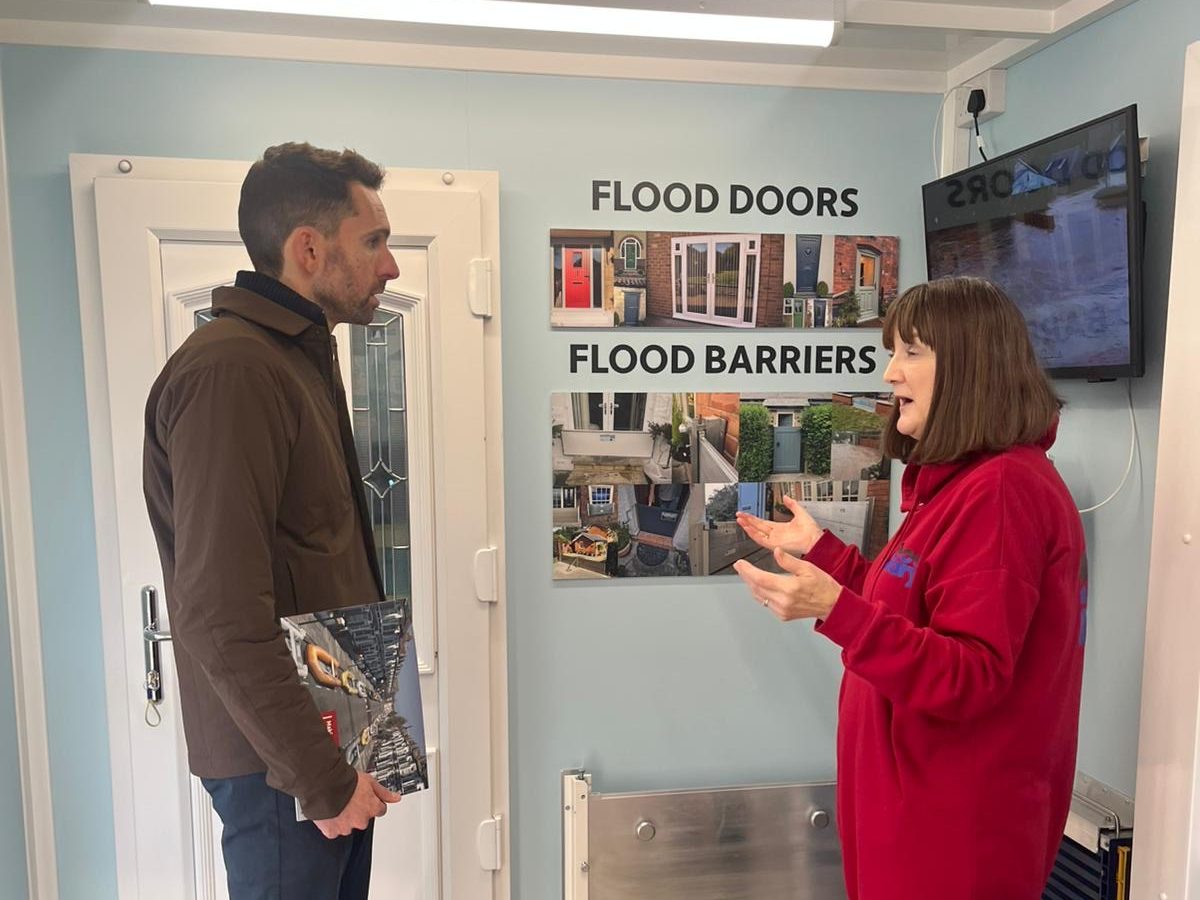
Josh with ‘Flood Mary’ at the Floodmobile, which he brought to West Cumbria in December
Homes and businesses across West Cumbria are set to benefit from strengthened protection against flooding, as Josh MacAlister MP has secured £627,000 for local flood defence projects, part of a wider £34 million investment across Cumbria.
The funding forms part of a major national programme delivering new and improved flood defences, helping protect communities from the growing risks of extreme weather and coastal erosion.
In West Cumbria, this investment will support vital work to strengthen local flood resilience in Parton and Egremont – helping to safeguard homes, protect businesses, and give communities greater security in the face of increasingly frequent severe weather.
Josh MacAlister MP said:
“Flooding has caused real worry and disruption for families and businesses across West Cumbria, and strengthening our local defences is absolutely essential.
“I’m delighted to have secured £627,000 for flood defence projects in our area, as part of a £34 million investment across Cumbria. This funding will make a real difference – helping to protect homes, support local businesses, and give our communities the resilience they need for the future.
“I will continue working closely with the Environment Agency and Cumberland Council to ensure West Cumbria gets the long-term protection it deserves.”
The funding is part of a wider national commitment to invest heavily in flood protection, including maintaining and upgrading existing defences and delivering new infrastructure to reduce risk. The programme also supports economic growth, protects critical infrastructure, and helps communities adapt to climate change.
With extreme weather events becoming more frequent, this investment represents a significant step forward in protecting West Cumbria and ensuring the region is better prepared for the future.
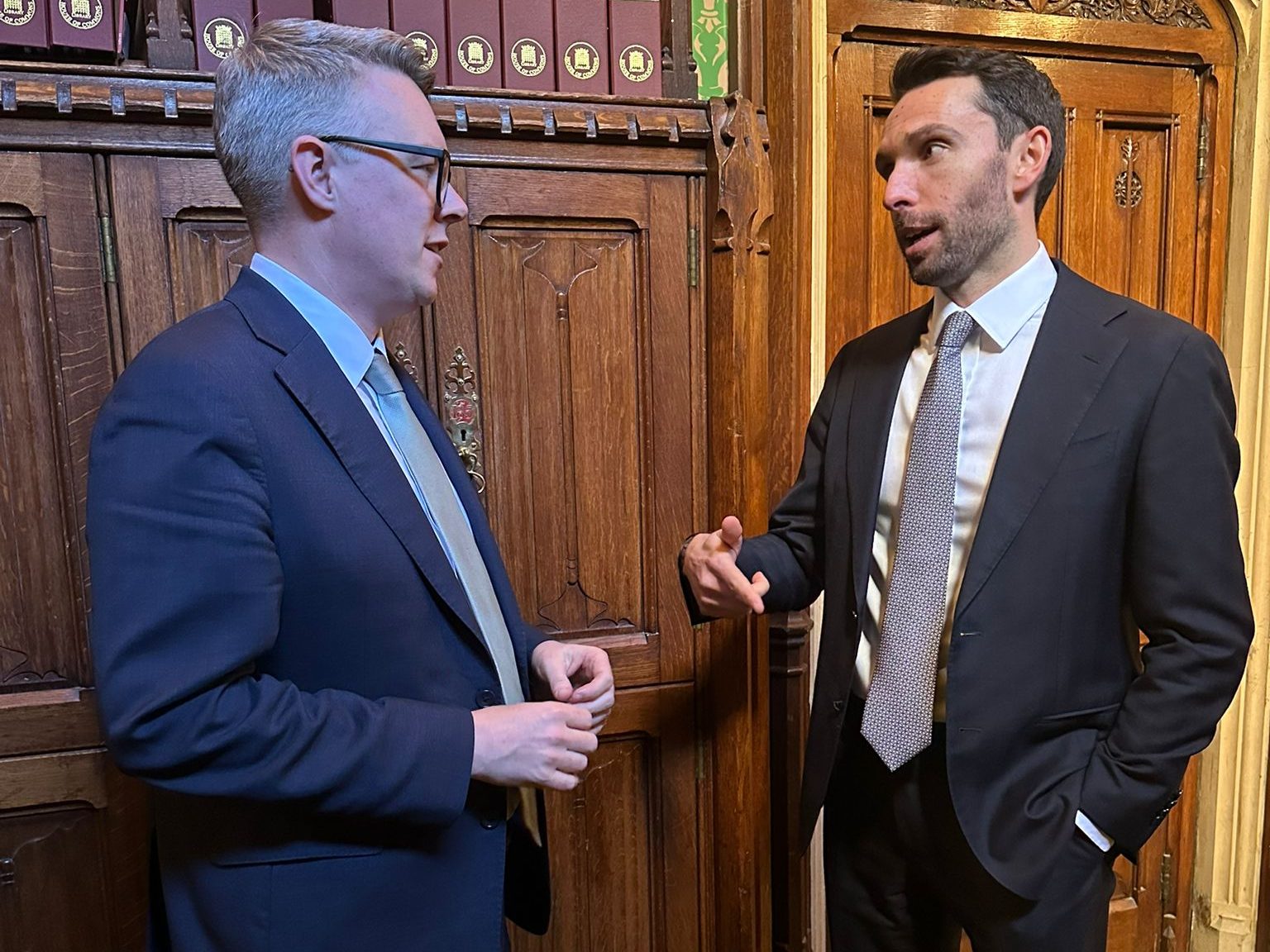
Josh raising fuel prices with Energy Minister Martin McCluskey
When fuel prices start rising, communities like ours in West Cumbria feel it straight away.
For many families here, driving isn’t optional. It’s how people get to work, take the kids to school, get to hospital appointments, and keep small businesses running. And unlike many parts of the country, a lot of homes here also rely on heating oil. So when global oil prices climb, it hits us twice – at the pump and at home.
In recent weeks oil prices have been moving upwards again because of instability and conflict in the Middle East. That’s something none of us locally can control, but it does feed through quickly into the cost of petrol, diesel and heating oil here in Cumbria.
What people rightly struggle to understand, though, is when prices vary wildly between petrol stations only a few miles apart.
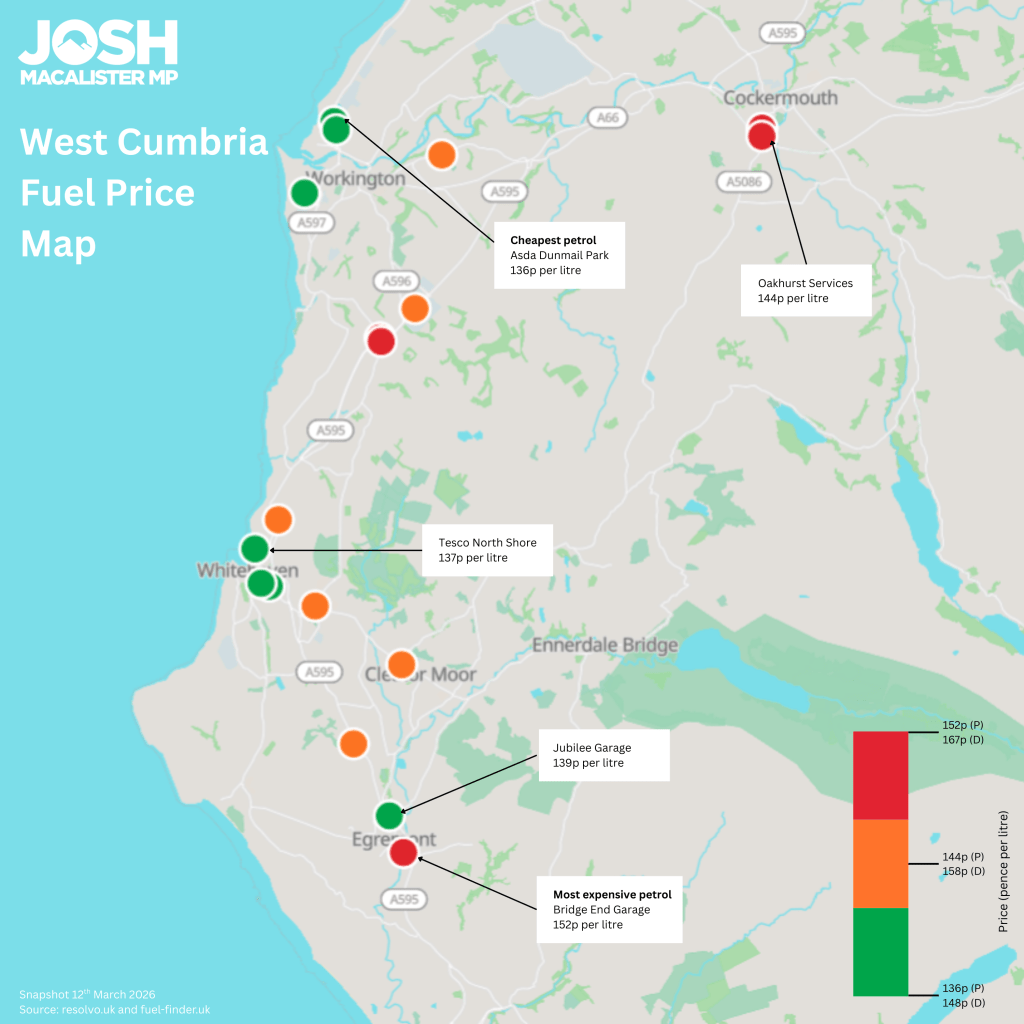
I recently looked at petrol prices along the corridor between Workington, Whitehaven, Cleator Moor, Egremont and Cockermouth. Prices ranged from around 136p per litre to as high as 152p for petrol and from 148p up to 167p per litre for diesel.
That’s a gap of 16-19p per litre. For a typical family car, that means you could be paying around £10 more just depending on where you fill up.
At a time when families are already watching every penny, that just isn’t right. Where petrol stations are charging significantly more than others nearby, they should be prepared to explain why. And where there’s no good reason for it, they should bring their prices down.
I’ve launched a Fair Fuel campaign locally and submitted evidence to the Competition and Markets Authority so they can look at whether competition in rural fuel markets is working properly. People in West Cumbria should not be treated as a captive market.
The cost of heating oil is also hitting thousands of local households hard. The Government is taking these rising costs seriously. The Chancellor hauled in fuel companies last week and made clear we expect fair pricing, and we’ve warned retailers and suppliers that if there is evidence of price gouging the authorities won’t hesitate to investigate.
We’re also stepping in with financial support for households. In addition to the cut to everyone’s energy bills from April through our removal of levies and the lower price cap and the £150 Warm Home Discount for thousands of the lowest income households, a new £53 million fund is coming for households who rely on off-grid fuel. Contact my office to find out more.
My job as your MP is to stand up for you and make sure you get a fair deal. I’ll keep pushing fuel retailers, energy companies, regulators and government to make sure motorists and households in West Cumbria are not paying over the odds.
I welcome the announcement from the Government setting out a major overhaul of the UK’s nuclear regulatory system – a crucial step towards delivering new nuclear power faster, at lower cost, and with strong environmental protections.
For too long, overly complex and bureaucratic processes have slowed down the delivery of vital infrastructure. These reforms will introduce a more streamlined, proportionate system – focused on real risk, grounded in evidence, and designed to unlock investment while continuing to protect nature.
This is about delivering energy security for the UK. In an increasingly uncertain world, reducing our reliance on volatile international fossil fuel markets is essential. Nuclear power has a central role to play in providing clean, reliable, homegrown energy for decades to come.
For West Cumbria, this announcement is particularly significant.
Our area has a proud nuclear heritage, world-leading expertise, and a workforce ready to deliver the next generation of projects. With the Government now taking decisive action to speed up delivery and improve the investment environment, we are in a strong position to build on that legacy.
That is why initiatives like Pioneer Park are so important. By creating the space for innovation, skills development and new businesses, we are ensuring West Cumbria is ready to attract and support future nuclear investment.
These reforms strengthen our case locally – helping to bring forward new opportunities, high-quality jobs, and long-term economic growth for our communities.
I will continue to work with Government and local partners to ensure West Cumbria is at the forefront of the UK’s new nuclear programme.
This is how we secure our energy future, back British industry, and deliver for our communities.
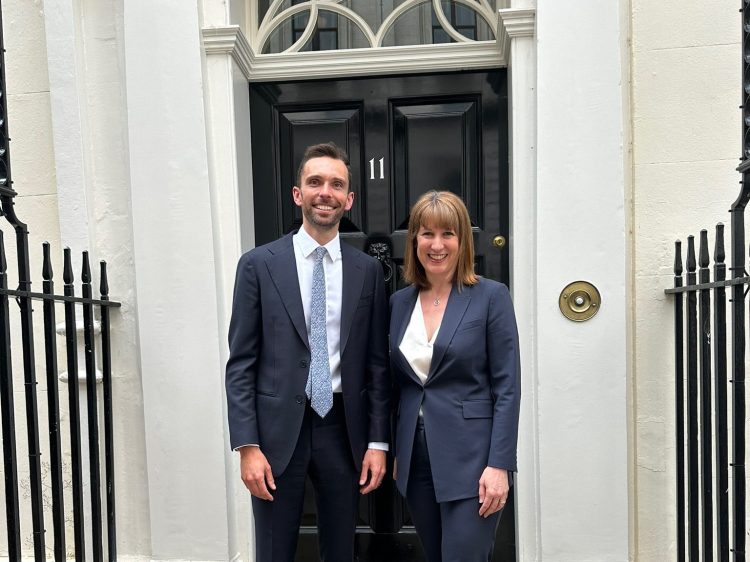
Josh raised this issue with the Treasury team following the outbreak of the conflict in the Middle East
Families across Cumbria’s rural communities will benefit from a share of more than £50 million in government support to help with rising heating oil costs, under new measures announced by the government.
Over 40,000 households across Cumbria rely on heating oil to keep their homes warm, particularly in rural villages and farming communities where homes are not connected to the gas grid. With global pressures pushing up energy prices, the cost of kerosene – the fuel used in heating oil – has surged sharply in recent months.
Unlike gas and electricity customers, households who rely on heating oil are not protected by the energy price cap, meaning families can face sudden price spikes and large upfront bills to refill their tanks.
The government has confirmed over £50 million in targeted support for low-income households who rely on heating oil, with £27 million allocated to England and distributed through local authorities from 1st April via the Crisis and Resilience Fund. This is in addition to £842 million already allocated to the CRF at the last Spending Review to support struggling families with the cost of living this year.
This additional support will help families in rural areas of Cumbria who have been particularly exposed to the rising cost of heating their homes.
Whitehaven and Workington MP Josh MacAlister said:
“In many parts of Cumbria, heating oil isn’t a luxury – it’s the only option families have to heat their homes and keep the hot water running.
“When prices spike, households here feel it immediately.
“This £50 million package will help ensure that vulnerable families in rural communities across our county can stay warm and supported.”
The government says the price of kerosene has been especially affected by instability in global energy markets linked to the conflict in the Middle East and is currently around double the price of crude oil, pushing up costs for households that depend on oil deliveries.
To tackle this, the government is also moving to strengthen protections for heating oil customers, an area of the energy market that currently sits outside the main regulatory system.
Measures being explored include:
stronger consumer protections for heating oil customers
improved price transparency from suppliers
new repayment options for households facing hardship
a formal Priority Customers Register to support vulnerable households during supply disruptions
possible regulation of the sector or appointment of a consumer champion
The government has also asked the Competition and Markets Authority to closely monitor the market and investigate reports of cancelled deliveries and sudden price increases. Over the weekend, the CMA confirmed they would be taking forward a detailed examination of the whole market at pace
Josh added that the government would not tolerate unfair practices in the heating oil market and urged consumers to report any evidence of price manipulation.
Get in touch to be the first to find out what support may be available once Cumberland Council’s Crisis and Resilience Fund opens on 1st April.
Josh MacAlister MP has welcomed new government plans to introduce stronger protections for children with allergies in schools, ensuring parents can feel confident that their child will be safe in the classroom.
Under new proposals, schools across England will for the first time be legally required to follow strengthened allergy safety guidance – including stocking life-saving adrenaline auto-injectors, providing mandatory allergy awareness training for staff, and maintaining clear healthcare plans for affected pupils.
It is estimated that nearly 700,000 children in England have a food allergy, with one to two children in every classroom affected. Tragically, one in five anaphylaxis deaths among school-aged children in the UK occur in school, highlighting the importance of robust safety procedures.
The changes follow cases raised by Josh and other MPs with Ministers and campaigning by families and organisations working to improve allergy safety in schools.
Josh MacAlister MP said:
“No parent should have to worry that their child won’t be safe at school because of a serious allergy.
“Hundreds of children across West Cumbria are living with food allergies, and many families know the anxiety that can come with sending their child into the classroom each day.
“These new protections will ensure every school has clear policies, properly trained staff and life-saving equipment available if it is needed. That’s a major step forward for pupil safety and peace of mind for parents.
“Schools across Cumbria already work incredibly hard to support children with medical conditions. This guidance will help ensure best practice is consistent everywhere, so every child can learn safely and confidently.”
As well as improving safety, the new measures are expected to help children stay in school. Around 500,000 school days are lost each year due to allergy-related illness or medical appointments, something ministers hope the reforms will help reduce.
The guidance is now open for consultation, with the new statutory requirements expected to come into force in September 2026.
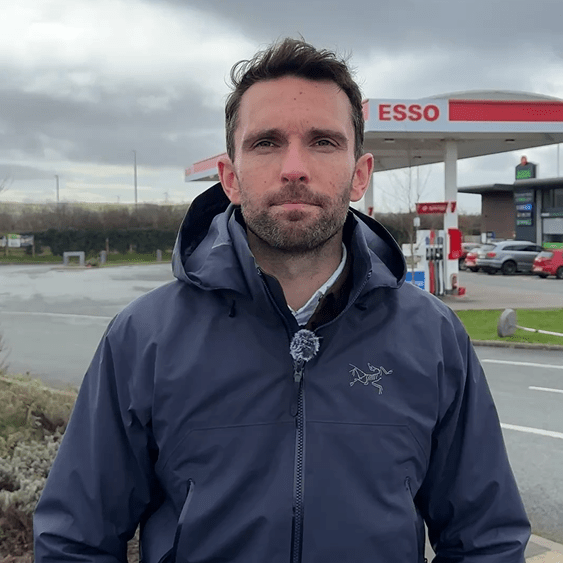
Motorists in West Cumbria are paying up to £10 more for a tank of petrol or diesel depending on where they fill up, according to new analysis published by local MP Josh MacAlister.
A review of petrol stations in West Cumbria found petrol prices ranging from around 136p per litre to as high as 152p, while diesel prices ranged from 148p to 167p per litre.
That represents a 16p difference per litre for petrol and 19p per litre for diesel within just a few miles.
Prices in West Cumbria are already higher than the UK average for petrol and diesel.
The findings come at a time when motorists are already facing the prospect of rising fuel costs globally. Oil markets have been reacting to continued instability and conflict in the Middle East, pushing international energy prices higher and increasing pressure on household budgets.
In rural areas like West Cumbria, where many people rely on their cars to travel to work, attend hospital appointments and access essential services, rising fuel costs can have a particularly significant impact.
Josh MacAlister MP has now written to petrol station operators across the region asking them to explain their pricing and review any significant differences.
He is also submitting a detailed evidence dossier to the Competition and Markets Authority asking it to examine whether competition in rural fuel markets is working properly. This follows the Government’s request for the CMA to consider investigating petrol retailers over potential profiteering.
Josh MacAlister MP said:
“Many people in West Cumbria depend on their cars for everyday life. Whether it’s getting to work, taking children to school or attending hospital appointments, driving is not a luxury here – it’s a necessity.
“That’s why it is so concerning to see such large differences in petrol prices between stations only a few miles apart, with prices in West Cumbria already higher than the UK average.
“At a time when global tensions are already pushing oil prices higher, local motorists are understandably worried about the impact on their household finances.
“I am calling on petrol retailers across West Cumbria to look carefully at their prices and make sure drivers here are being treated fairly.
“I will also be submitting the evidence I have gathered to the Competition and Markets Authority so it can consider whether competition in rural fuel markets like ours is working as it should.”
The evidence dossier highlights significant price differences between forecourts within a short distance of each other and compares local prices with national averages.
Josh MacAlister MP said he hoped fuel retailers would respond constructively and ensure motorists in West Cumbria are not paying more than necessary for essential fuel.
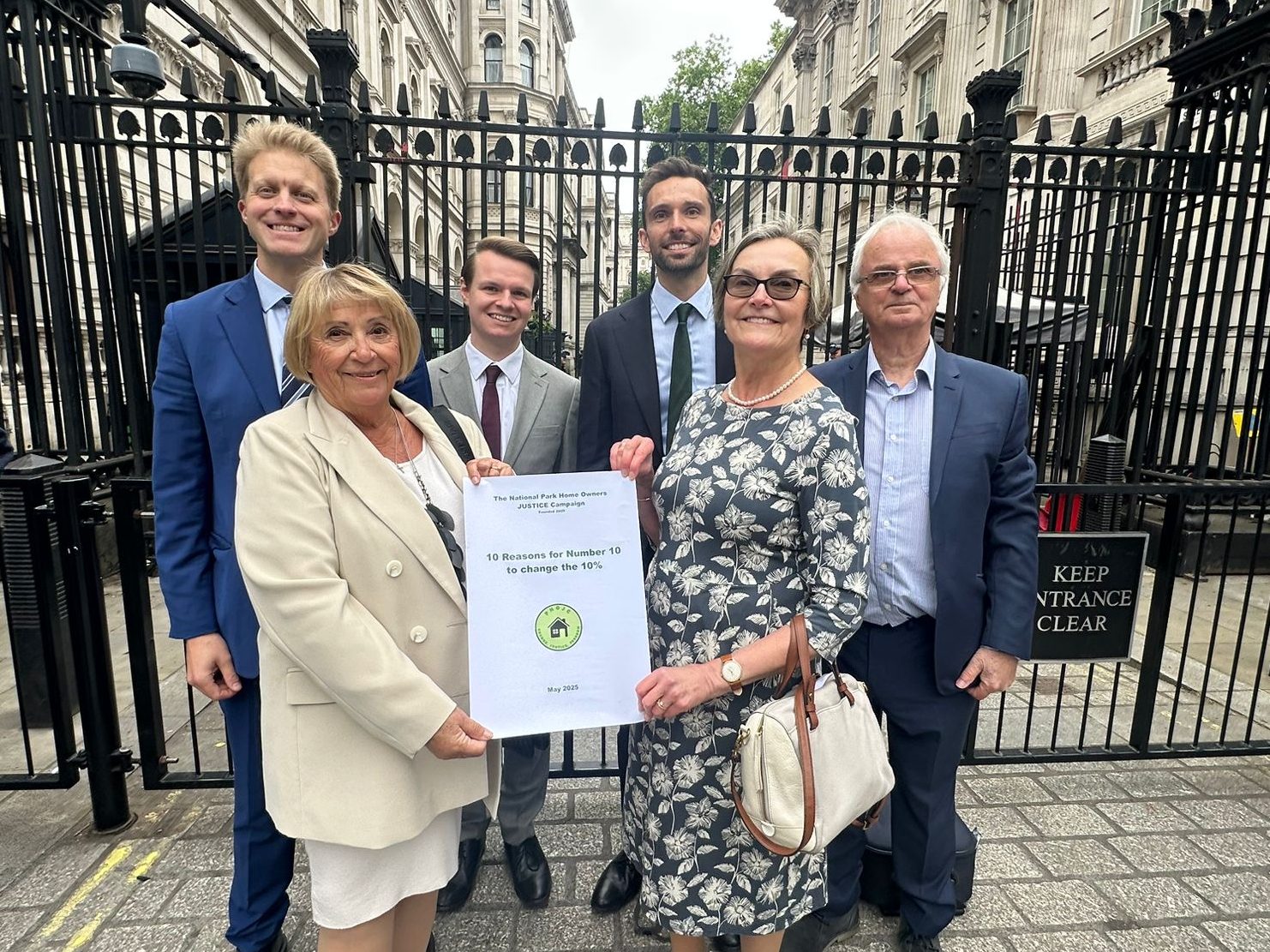
Josh with a cross-party group of MPs and campaigners handing in the petition at Downing Street last year.
Local MP Josh MacAlister has welcomed the launch of a new Government review into the controversial commission charged when park homes are sold – and is encouraging park home residents across West Cumbria to share their experiences.
The Government has announced a call for evidence into the 10% commission fee paid to site owners when a park home is sold. The charge, set out in the Mobile Homes Act 1983, can cost residents thousands of pounds and has long been debated by park home owners and operators.
The review will gather evidence on why the commission exists, what it pays for, and whether the current system is fair and transparent for residents and site owners.
Josh MacAlister MP has been campaigning on the issue after hearing directly from park home residents across West Cumbria.
Last year, he presented a petition at No. 10 Downing Street on behalf of local park home owners, calling on Ministers to look again at the commission charge.
Josh MacAlister MP said:
“Park home owners across West Cumbria have told me that the 10% commission charged when they sell their homes simply doesn’t feel fair. For many residents – often older people who have downsized or retired – it can mean losing thousands of pounds when they come to move.
“That’s why I worked with park home residents locally to raise this directly with Ministers and present their petition at Downing Street. I’m really pleased the Government has now launched a review to look properly at whether this charge is justified.
“We have more than 500 park homes across West Cumbria, so it’s really important that local residents’ voices are heard as part of this process.
“If you live in a park home locally, I would strongly encourage you to take part in the call for evidence and share your experience so the Government understands the reality for residents.”
The Government says the review aims to better understand the role the commission plays in the park home sector and how it interacts with other income streams such as pitch fees and the sale of new homes.
The call for evidence is open until 29th May, and park home residents, site owners and others involved in the sector are invited to submit their views here
This week marks an important milestone for West Cumbria as work officially begins on developing the masterplan for Pioneer Park – a site with the potential to shape the future of our area for decades to come.
Pioneer Park sits on hundreds of acres of land owned by the Nuclear Decommissioning Authority right next to Sellafield, one of the most significant nuclear locations anywhere in the world. It’s hard to think of many places in the UK with a stronger combination of land, expertise and infrastructure to support the next generation of nuclear development.
From Calder Hall – the world’s first commercial nuclear power station – through to the globally recognised work taking place at Sellafield today, West Cumbria has always been at the forefront of nuclear innovation. Pioneer Park is about building on that legacy and ensuring we continue to play a central role in the UK’s nuclear future.
The masterplan work now underway will help set out a clear vision for how the site could be used. Early engagement with the market has already shown strong interest, particularly in the opportunity for new nuclear technologies to power new industry and investment in our area.
That is an exciting prospect. New nuclear generation alongside energy-intensive industry could bring high-quality jobs, attract investment into our supply chain and strengthen West Cumbria’s reputation as a global centre of nuclear expertise.
Once the masterplan is complete, the next step will be to identify the right developer to bring that vision to life. This will be done using the Government’s newly announced Advanced Nuclear Framework, which is designed to help accelerate the deployment of next-generation nuclear technologies in the UK.
Our ambition is simple: move as quickly as possible to bring in the right private sector partners who can develop the site and unlock the opportunities it offers.
To make that happen, a dedicated team is already in place bringing together local partners and government. This partnership approach will be crucial in making sure Pioneer Park moves from vision to reality.
But importantly, we’re not waiting for the masterplan to be finished before engaging with potential investors and developers. Conversations are already underway with a range of interested parties who see the same potential in Pioneer Park that we do.
As your MP, I will continue working with ministers and officials at the highest levels of government to make sure West Cumbria has the support it needs and that any barriers to progress are removed.
Pioneer Park represents a once-in-a-generation opportunity for our area. If we get this right, it can help secure high-quality jobs, new investment and a strong future for our communities – while ensuring West Cumbria remains at the heart of the UK’s nuclear industry for decades to come.
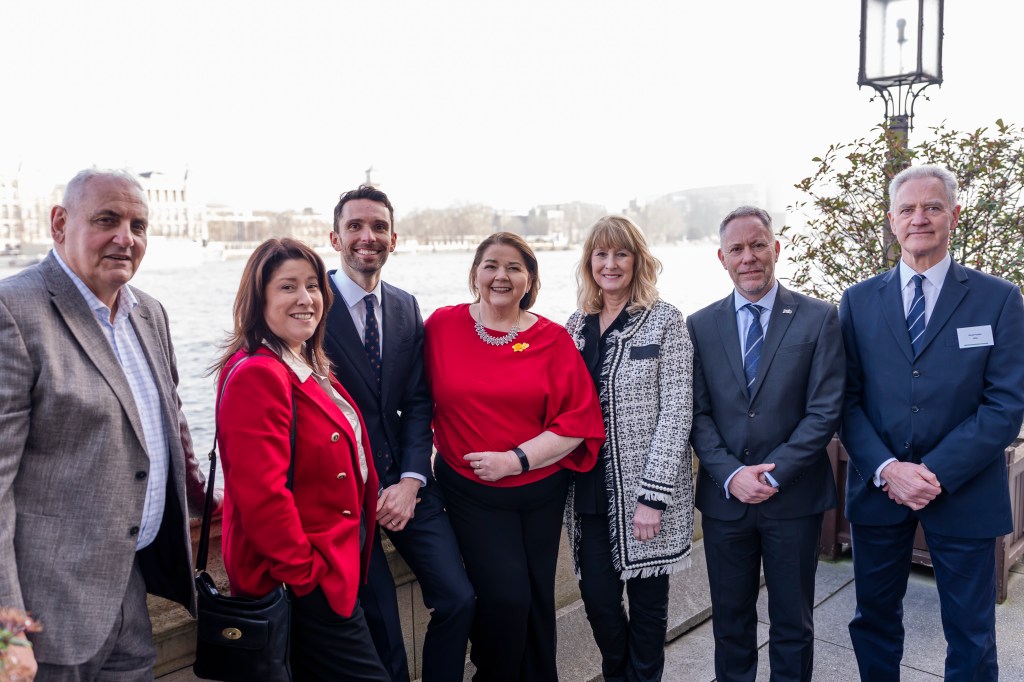
Members of Cumberland’s Nuclear Future Board showcasing Pioneer Park in Parliament. Left to right: Cllr Mark Fryer, Leader of Cumberland Council, Michelle Scrogham, MP for Barrow and Furness, Josh MacAlister, MP for Whitehaven and Workinton, Julie Minns, MP fo Carlisle and North Cumbria, Isobel Brown, Enterprising Cumbria, Michael Pemberton, CEO of BEC, and David Peattie, CEO of the Nuclear Decommissioning Authority
Work has officially begun on shaping the future of Pioneer Park – a major new clean energy development opportunity adjacent to Sellafield that could play a significant role in the UK’s future nuclear programme.
Members of Cumberland’s Nuclear Future Board gathered today (10th March) at Westlakes Science Park to launch the masterplanning phase of the project, marking the start of a six-month programme to explore how the site could support the next generation of nuclear and clean energy technologies.
First announced by the Prime Minister in 2025, Pioneer Park will explore development opportunities across over 400 acres of land owned by the Nuclear Decommissioning Authority (NDA), taking into account Sellafield’s existing requirements – the UK’s largest nuclear complex and one of the most significant nuclear locations anywhere in the world.
Located at the heart of a globally recognised nuclear cluster, Pioneer Park represents a rare opportunity to attract new investment, support innovation and reinforce West Cumbria’s reputation as a centre of nuclear expertise.
The launch of the masterplanning work follows the appointment of global engineering and advisory firms Mott MacDonald and WSP, who will lead the programme management office and develop options for the site’s future.
The appointment follows extensive market engagement led by development company BEC and a competitive tender process to identify the partners best placed to help shape the project. The work has been made possible by an initial £1 million investment from the NDA to begin the masterplanning phase.
The masterplan will explore how Pioneer Park could support a range of nuclear and clean energy opportunities, including potential locations for next-generation nuclear technologies, supply chain facilities, and innovation activity, helping to position West Cumbria as a hub for future nuclear deployment in the UK.
MP for Whitehaven and Workington, Josh MacAlister, said:
“Pioneer Park represents a truly transformational opportunity for West Cumbria. Our communities have powered the nation for generations through our leadership in nuclear, and this project is about ensuring we continue to play a central role in the UK’s energy future.
“With its proximity to Sellafield and our world-class nuclear workforce, West Cumbria is uniquely placed to support the next wave of nuclear innovation and investment. The appointment of Mott MacDonald and WSP is an important step toward turning that potential into a clear, deliverable vision for the site.
“Done right, Pioneer Park can attract major private investment, strengthen the UK’s nuclear supply chain and create high-quality jobs for local people. I’m determined that West Cumbria continues to lead the nation in nuclear expertise and that our communities benefit from the opportunities this project could unlock for decades to come.”
Leader of Cumberland Council, Mark Fryer, said:
“West Cumbria has been at the heart of the UK’s nuclear industry for decades, and Pioneer Park represents an important opportunity to build on that legacy. This project has the potential to attract new investment, support our highly skilled workforce and reinforce the area’s position as one of the most important nuclear locations in the country.
“As a council, we are committed to working with partners to ensure Pioneer Park delivers long-term benefits for local communities while supporting the continued growth of the UK’s nuclear sector.”
The project comes at a time when the UK is seeking to expand nuclear power generation and strengthen its domestic nuclear supply chain as part of its long-term energy security strategy.
Nuclear Minister Patrick Vallance said:
“Cumbria has been a major contributor to nuclear in the UK and opening up this land for development will build on the region’s energy expertise.
“This could lead to new jobs and economic growth in Cumbria, while boosting the nation’s energy security and protecting family finances.”
BEC will continue to lead the development of Pioneer Park on behalf of the NDA and Cumberland Council.
Michael Pemberton, Chief Executive of BEC, said:
“Appointing Mott MacDonald and WSP is a significant step forward for Pioneer Park and for West Cumbria’s nuclear future. This site is next to one of the most important nuclear sites in the world. Our focus is on developing a masterplan that builds on that unique position – creating opportunities for investment, innovation and new technologies while supporting the long-term strength of the UK’s nuclear sector.
“Pioneer Park is about unlocking the potential of this strategically important site and ensuring West Cumbria remains a global centre for nuclear expertise.”
NDA Group CEO, David Peattie, said:
“Our expertise in the safe and secure decommissioning of nuclear sites is unparalleled, underpinned by a long and proud history in West Cumbria. This development has the potential to create new jobs, drive economic growth for the region, and strengthen the nation’s energy security.
“Through the reuse of our land, we’re unlocking opportunities that will deliver lasting benefits for the local community, and the wider economy, for many generations to come.”
Community and stakeholder engagement will be a central part of the masterplanning process. Over the coming months, the project team will work closely with local residents, businesses, community groups and industry partners to help shape the vision for Pioneer Park.
This engagement will ensure the development reflects local priorities, supports the needs of surrounding towns and communities, and maximises the long-term economic opportunities the project could bring to West Cumbria.
Feedback gathered through this process will help inform the emerging masterplan and ensure the site is developed in a way that delivers lasting benefits for the county.


 Josh MacAlister MP