
Josh MacAlister MP joins forces with ‘Marathon Man’ Gary McKee in bid to raise £100,000 for Hospice at Home West Cumbria

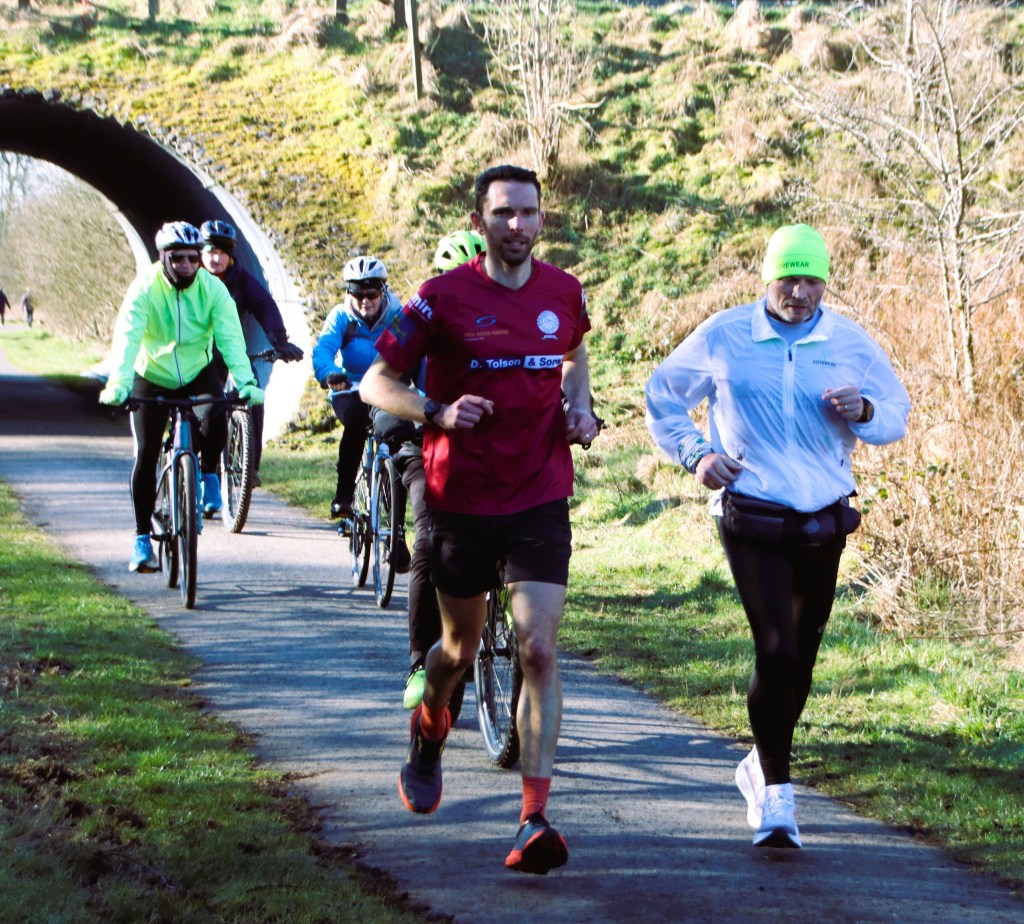
Josh MacAlister MP is pitching in with local fundraising legend Gary McKee MBE, known as “Marathon Man”, as he takes on his latest extraordinary challenge of running 100 marathons in 100 days in the run-up to the London Marathon.

Gary, from Cleator Moor, is hoping to raise £100,000 for Hospice at Home West Cumbria through the challenge. If successful, it will bring his total fundraising for the charity to £1 million over the last five years.

To mark the halfway point of the challenge, Josh MacAlister MP joined Gary and his son Beau for the 50th marathon, joining them for the first half. Josh is now pitching in with the pair to raise funds for Hospice at Home West Cumbria as all three prepare to run the London Marathon on 26th April.
Hospice at Home West Cumbria delivers palliative and end-of-life care to people throughout West Cumbria, offering comfort, dignity, and support when it’s needed most.  Funds raised during this challenge will directly support essential home nursing services and compassionate care for both patients and their loved ones.

The charity recently received £150,000 in government funding, which Josh MacAlister MP helped to secure, and plans to use it to help complete the refurbishment and fit-out of their new headquarters in Workington, including a dedicated patient services area with treatment and therapy rooms, meeting rooms, and facilities for bereavement clinics.

Josh MacAlister MP said:

“Gary’s challenge is nothing short of extraordinary. Running 100 marathons in 100 days takes immense determination, but it’s typical of Gary that he’s doing it to support others in our community.

“Hospice at Home West Cumbria provides vital care and support to families at some of the most difficult moments in their lives. I was proud to help secure £150,000 in government funding for their new headquarters, and Gary has now persuaded me to join him in running the London Marathon to help him reach his £100,000 goal.

“There’s no way I could pull off running 100 marathons in 100 days, but I’m committed to running the final one in London and doing my bit to help Gary and Beau hit their target! Every pound raised will help ensure people in West Cumbria can access the compassionate care and support they deserve at the end of their lives.”

Gary McKee MBE said:

“The support from people across West Cumbria has been incredible throughout this challenge. Reaching the halfway point with my 50th marathon was a really special moment, and it meant a lot to have Josh join me for part of the run.

“Hospice at Home West Cumbria does amazing work supporting patients and families, and I’m determined to keep going until we reach that £100,000 target. Knowing Josh will also be running the London Marathon and helping raise awareness and funds for the hospice is fantastic.”

Julie Monk, Chief Executive of Hospice at Home West Cumbria, said:

“Gary’s commitment over the last five years has been truly inspiring and has made an enormous difference to our charity and the people we support. This latest challenge is another incredible achievement.

“The funds raised will play a key role in helping us expand the services we offer, including home nursing, dedicated specialist complementary therapy and bereavement support services. Demand for our support continues to grow year on year and we would not be able to deliver all we do if it wasn’t for the support of people like Gary and people across our local communities.

“We’re also very grateful to Josh for his continued support and for helping secure government funding for our new headquarters. The backing of both Gary and Josh will help us continue providing specialist care and support for families across West Cumbria.”

Gary, Beau and Josh will continue fundraising in the lead up to the London Marathon as part of the effort to reach the £100,000 target for Hospice at Home West Cumbria.
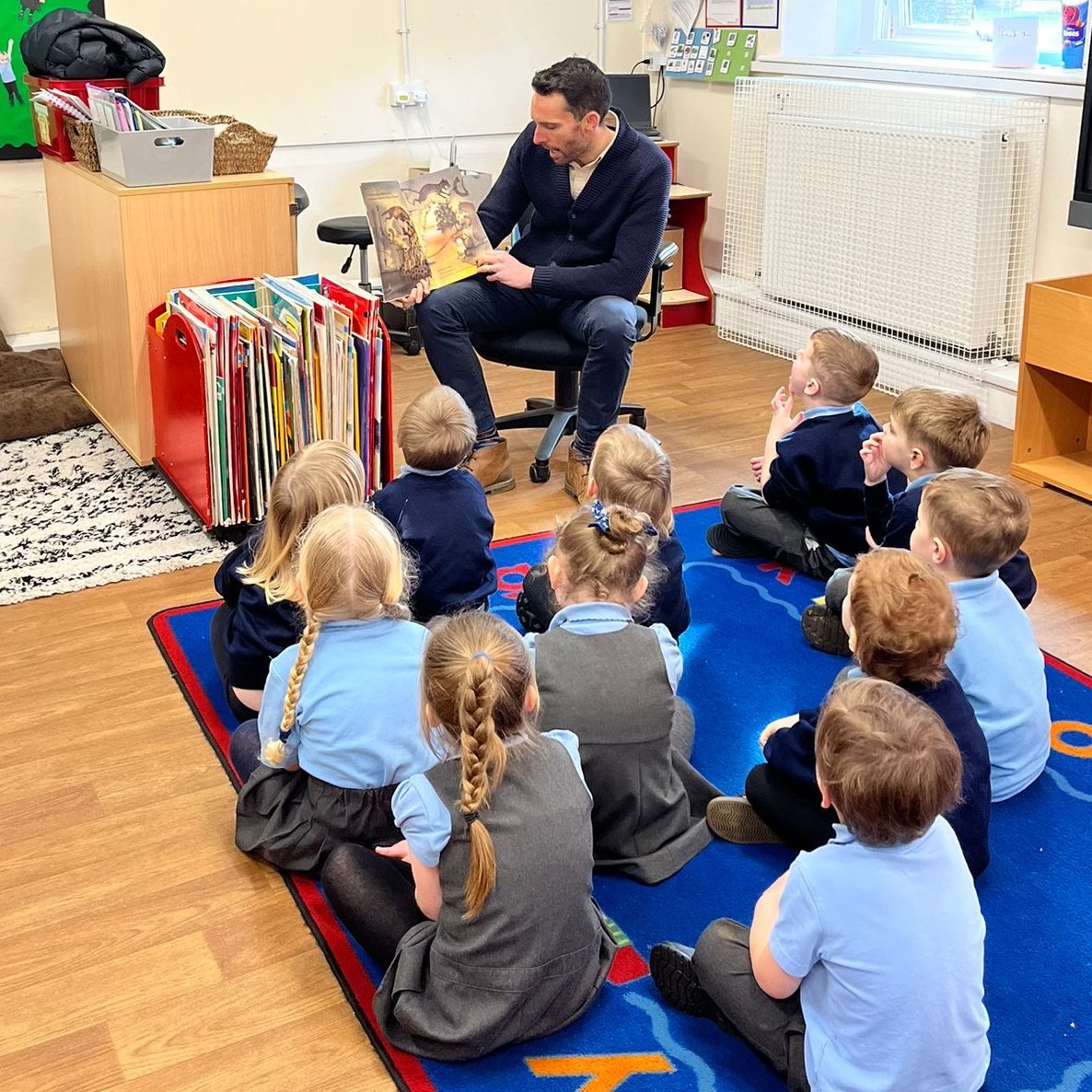
Josh MacAlister MP celebrates World Book Day with local school children

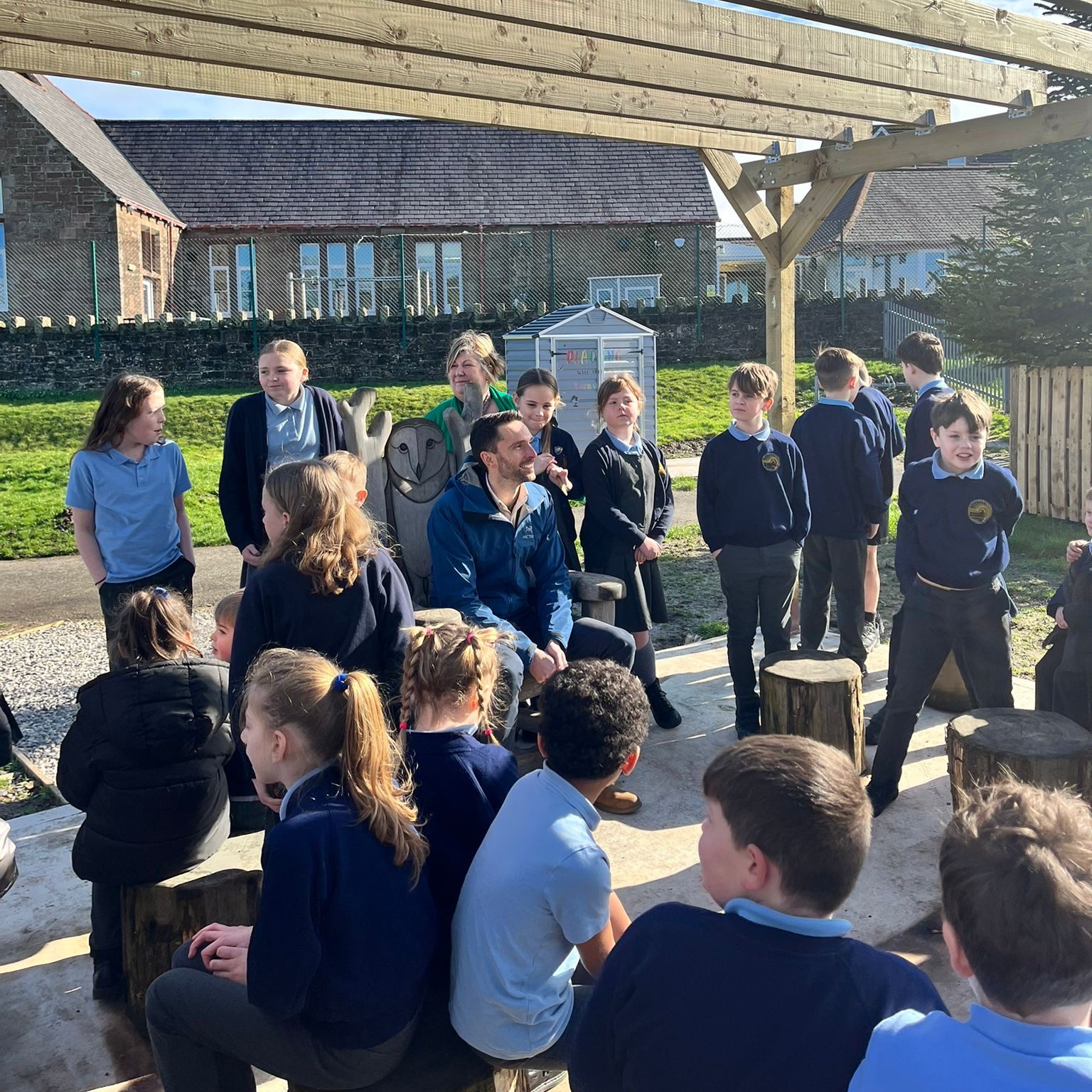
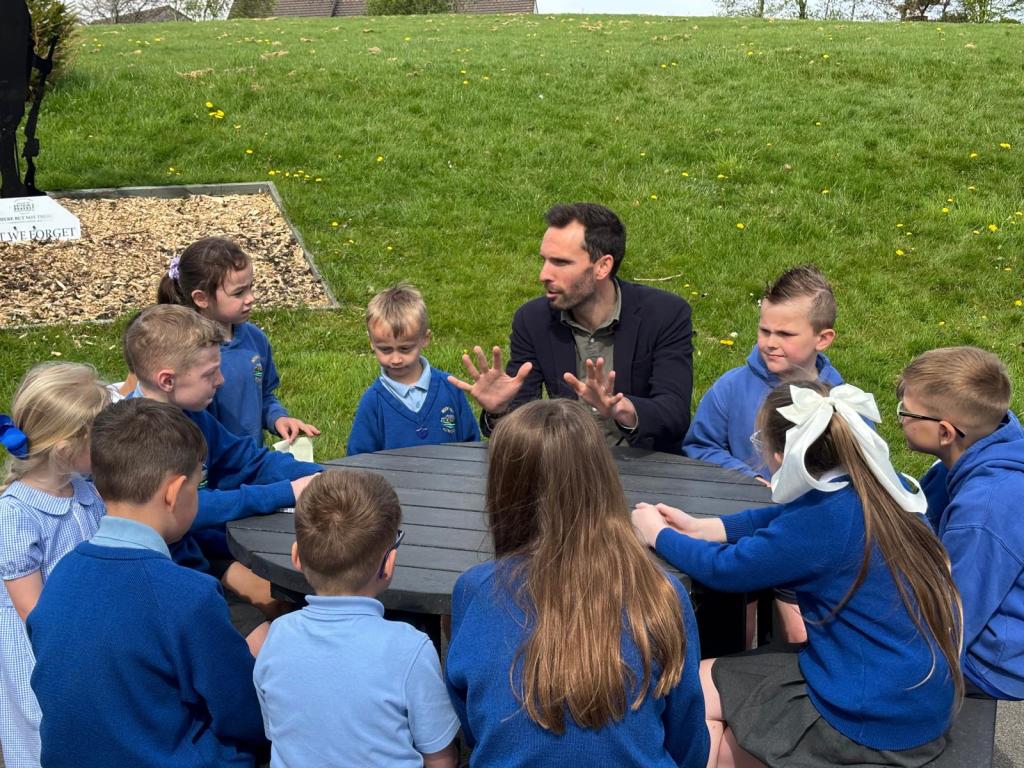
Josh MacAlister MP, Member of Parliament for Whitehaven and Workington, visited Moor Row Primary School to celebrate World Book Day, joining pupils to highlight the importance of reading.

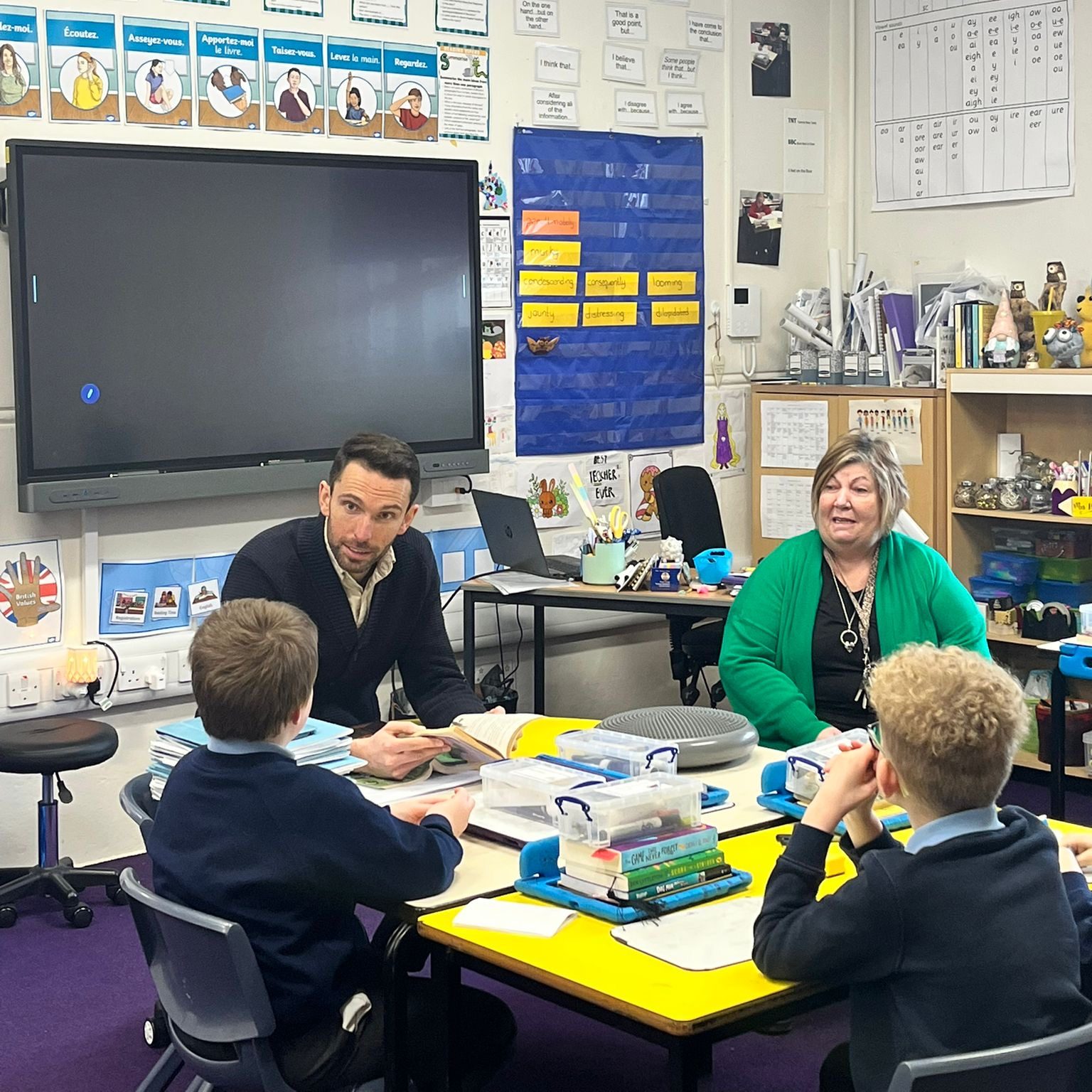
During the visit, Josh toured the school and read with each of the school’s four classes. Speaking with pupils and staff, he emphasised the importance of reading in children’s education and development, and highlighted the Government’s Year of Reading initiative.

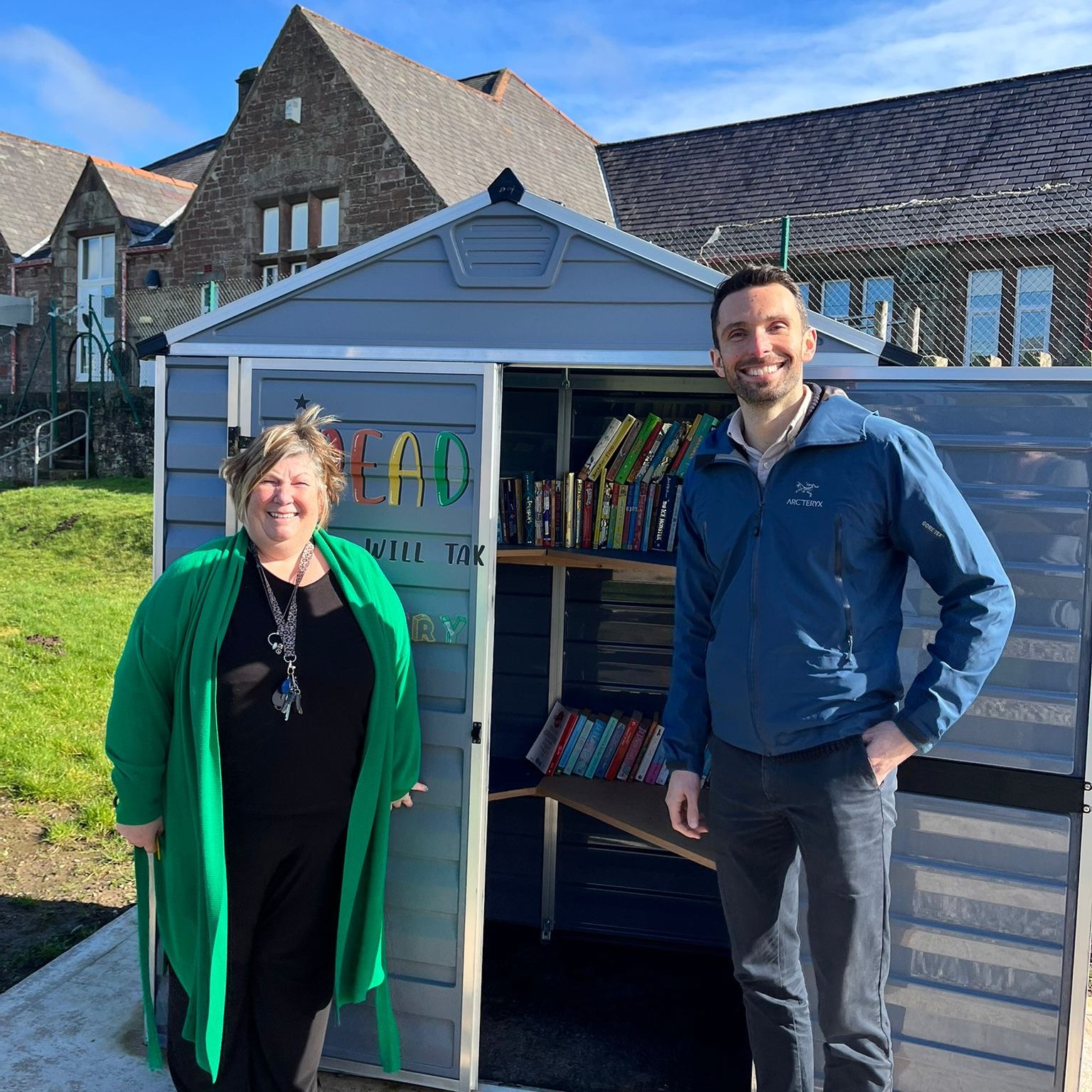
As part of the visit, Josh also officially opened the school’s new community library shed. The space has been stocked with a collection of books designed to encourage the wider community to develop a love of reading. He praised the school for its commitment to promoting literacy and creating opportunities for children to enjoy books.

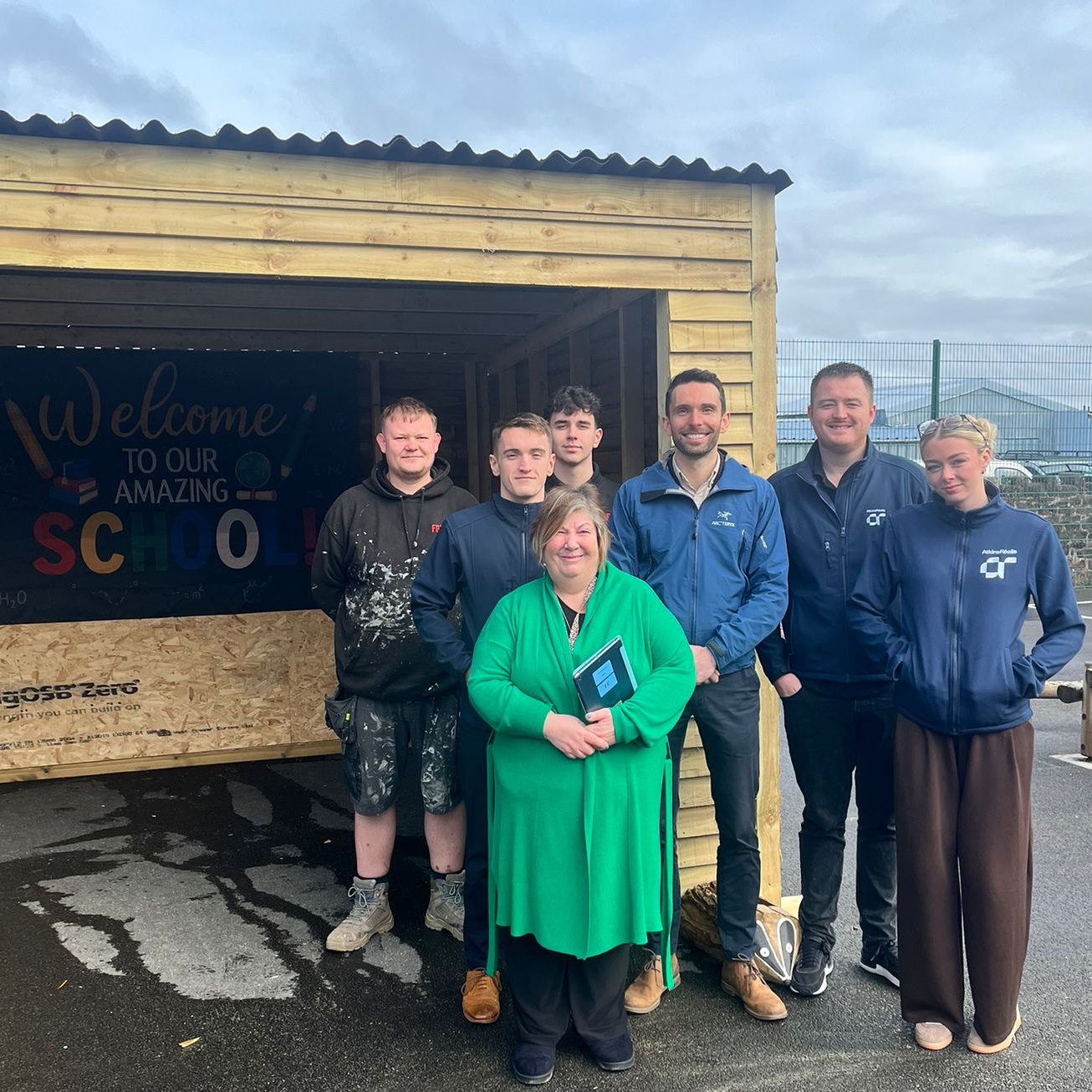
Josh also visited new outdoor equipment recently installed at the school, which was designed and built by apprentices from AtkinsRéalis, with support from Forth Engineering. The project provided the apprentices with practical experience while helping to enhance the school’s outdoor learning and play environment for pupils.

Josh said:

“It was a real pleasure to visit Moor Row Primary School and celebrate World Book Day with pupils and staff. Reading is the foundation of a good education and a skill that opens doors throughout a child’s life. That’s why the Government has launched a Year of Reading and is taking action to ensure more children develop strong literacy skills and a lifelong love of books.

“Schools like Moor Row are doing fantastic work to inspire young readers, and it was wonderful to see the enthusiasm of the pupils and to open their new community library shed.

“It was also great to see the new outdoor equipment created by apprentices from AtkinsRéalis and Forth Engineering. Projects like this show how apprenticeships can make a real difference in our communities while giving young people valuable hands-on experience.”

Jacqui Beavis, Headteacher at Moor Row Primary School, said:

“We were delighted to welcome Josh MacAlister MP to our school to celebrate World Book Day. Reading is something we place at the heart of school life, and it was wonderful for our pupils to share their enthusiasm for books with him. The opening of our new community library shed is an exciting moment for the school and will help us continue encouraging children to discover the joy of reading.

“We are also incredibly grateful to the apprentices from AtkinsRéalis who designed and built the new outdoor equipment. It will make a fantastic addition to our playground and will be enjoyed by pupils for many years to come.”

Katherine Finn, one of the apprentices who worked on the project, said:

“It was great to be involved in a project that will have such a positive impact on the school. Being able to design and build something that the pupils can use every day was a really rewarding experience, and it gave us valuable practical experience as apprentices.”

Josh also encouraged parents to read regularly with their children and to support the school’s efforts to promote literacy both at school and at home.

Weekly Column – 04.03.2026 – How should we keep children safe online?

Josh at the Second Reading of his Safer Phones Bill in Parliament on 7th March 2025

A year ago, standing in Parliament introducing my Safer Phones Bill, I said that we must not shrug our shoulders and accept a childhood shaped by addictive algorithms, anonymous strangers and unchecked technological change. Responding, the Government committed to action within a year.

I’m now a member of the Government and, almost exactly one year on, action is underway.

This week, the Government opened a major consultation on what further measures are needed to protect children from harm online. I am urging parents, carers, teachers and young people in our community to take part, because the next steps we take must be grounded in your own experience.

Our children’s digital world is not an accident of nature, it is designed – by powerful companies, using persuasive technology, to maximise attention and profit. Childhood is being reshaped by features like infinite scrolling, algorithmic feeds and private messaging with strangers. We would never allow unsafe products to be sold in our shops; we should not tolerate unsafe design in our children’s pockets.

This consultation is about confronting that reality honestly and being prepared to act fast. Through amendments to the Children’s Wellbeing and Schools Bill, we are taking new powers now so that, once the consultation concludes, we can implement its outcomes through secondary legislation within months – not years. Technology evolves rapidly. The law must be able to keep pace. 

We are consulting on significant measures: banning social media for under-16s; raising the digital age of consent from 13 to prevent companies profiting from children’s data without parental consent; introducing overnight curfews and breaks to tackle compulsive use; and strengthening age verification. 

In addition, we are exploring restrictions on features that are manifestly unsuitable for children – such as stranger pairing and live streaming – and consulting on blocking the ability for children to send or receive nude images. We will examine whether safeguards being considered for social media should also apply to AI chatbots.

Alongside this, we are closing loopholes so that all AI chatbot providers are clearly bound by duties under the Online Safety Act. No platform gets a free pass when it comes to illegal content. And through amendments to the Crime and Policing Bill, we will require coroners to notify Ofcom automatically following the death of a child, ensuring vital data is preserved for families.

Last year, I said we needed to match the scale of the challenge with the scale of our response. This consultation marks the next stage of that response.

If we want a digital world that supports children’s wellbeing rather than undermines it, we must shape it deliberately. Please take part and help us get this right together.

Josh MacAlister MP visits new Pears Cumbria School of Medicine

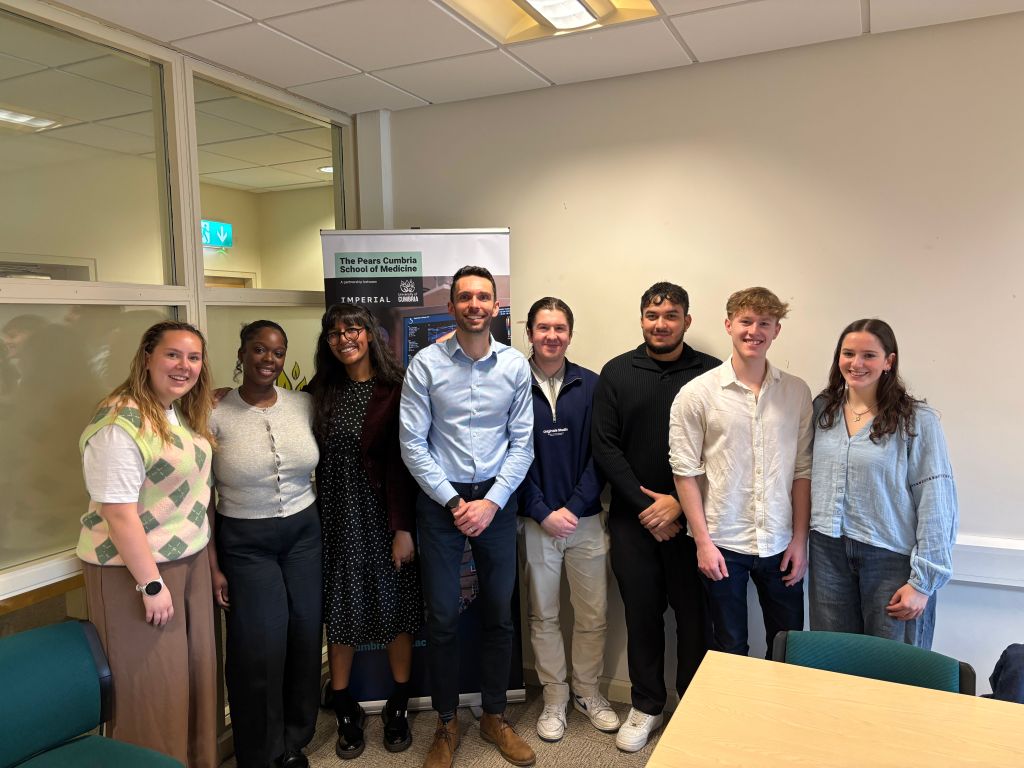
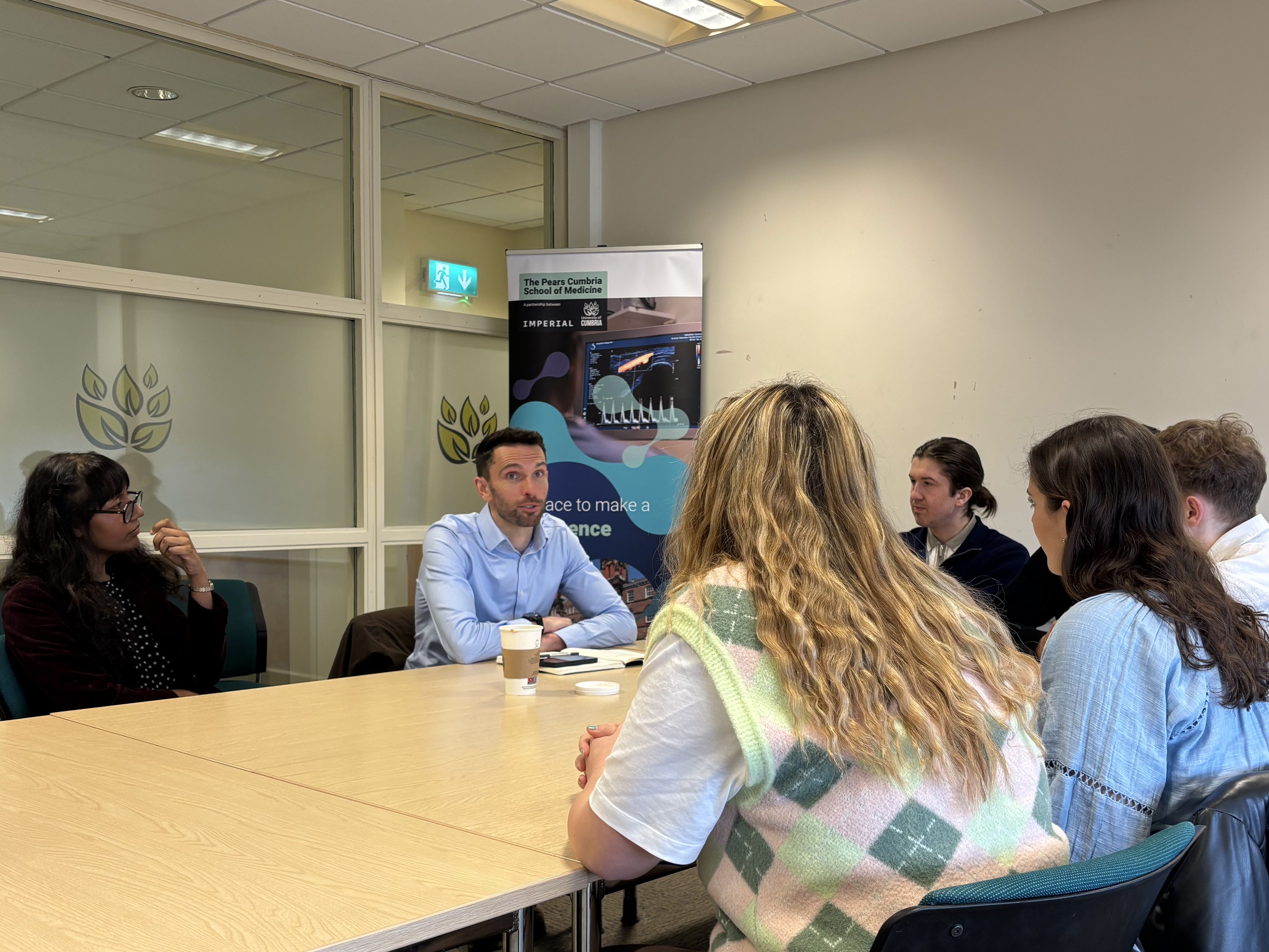
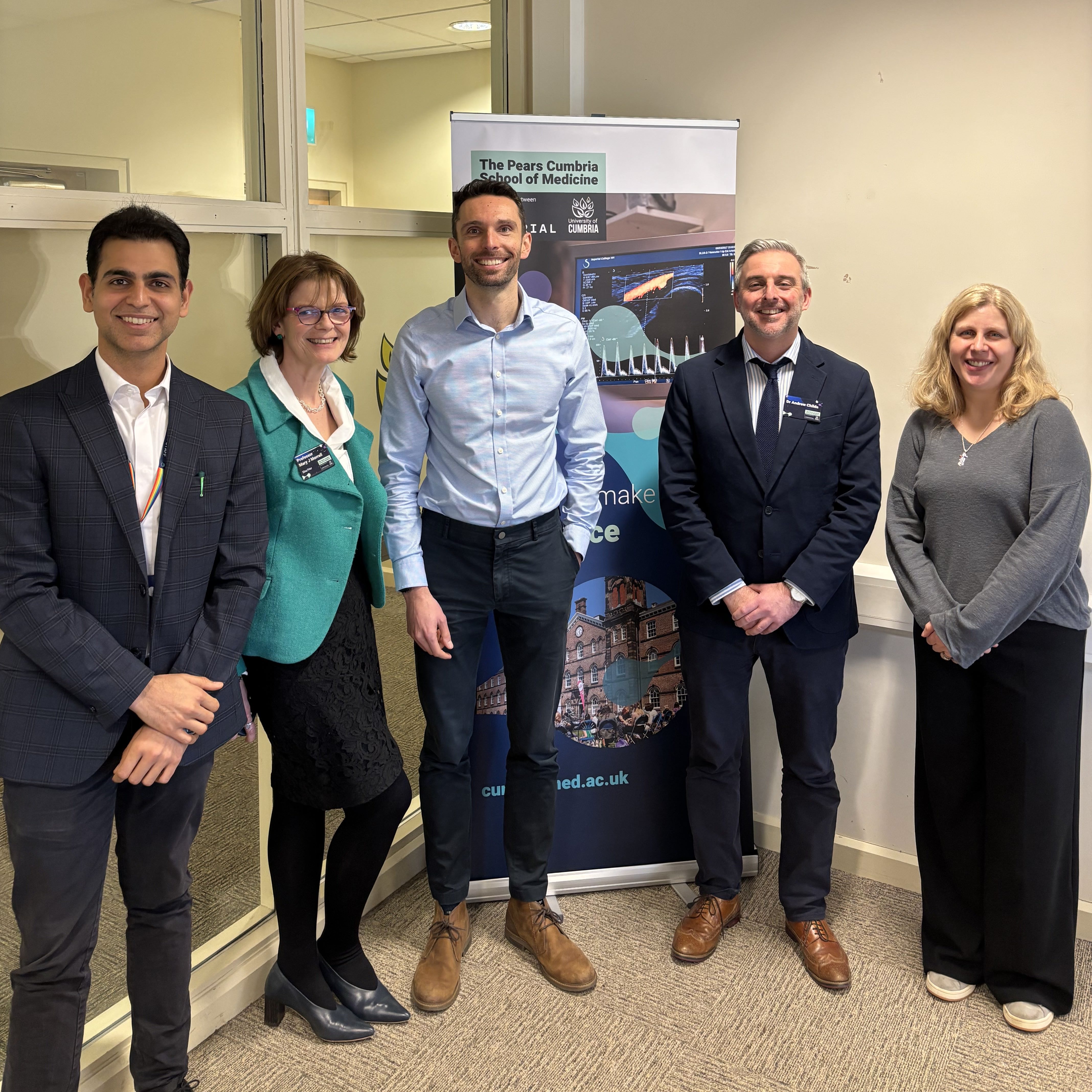
Josh MacAlister MP visited the new Pears Cumbria School of Medicine, meeting with the school’s leadership team and its first cohort of medical students as they begin their training.

The visit highlighted the school’s core mission: to train the next generation of doctors in Cumbria and keep them serving the communities that need them most. By recruiting and educating medical students locally, the school aims to address longstanding challenges in GP access and workforce shortages across the county.

Speaking after the visit, Josh MacAlister MP said:

“It was a real privilege to meet the first year medical students at the Pears Cumbria School of Medicine and to see first-hand the ambition behind this new institution. These students represent the future of healthcare in our county. By training doctors here in Cumbria, we are far more likely to keep talented clinicians here – strengthening our GP services, supporting our hospitals, and delivering better care for local people.”

Cumbria has faced persistent challenges in recruiting and retaining doctors, particularly in West Cumbria. Establishing a medical school rooted in the county is a key step in building a sustainable local workforce, improving continuity of care, and ensuring patients can see a GP when they need one.

Josh added:

“Improving general practice is central to our mission to fix the NHS. That means more appointments, better access, and stronger community-based care. Initiatives like this – training doctors locally with a clear commitment to serve local communities – are exactly how we bring down pressure on hospitals and cut waiting lists.”

The Government’s wider health agenda focuses on rebuilding general practice, expanding the healthcare workforce, and reducing backlogs that built up in recent years. By investing in training places and modern facilities in areas like Cumbria, the aim is to shift care closer to home and reduce avoidable hospital admissions.

During the visit, Josh met with senior leaders at the school to discuss how national policy can continue to support regional medical education and workforce planning. He also spoke with students about their motivations for studying medicine in Cumbria and their aspirations to practise locally after qualification.

Josh MacAlister MP backs VisitEngland campaign to boost coastal tourism

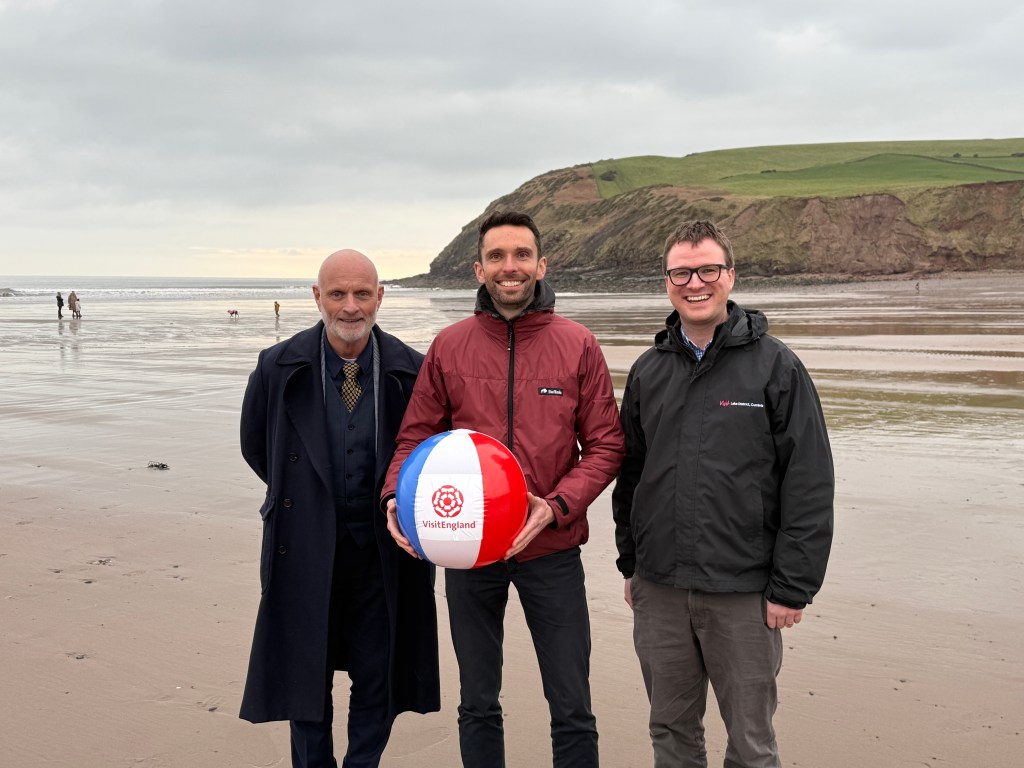
Josh MacAlister MP welcomed senior leaders from VisitEngland to West Cumbria this week as part of a major new Government-backed campaign to promote domestic tourism to the North West’s coastal communities, including St. Bees and Whitehaven.

The £1 million VisitEngland campaign aims to drive more day trips and overnight stays to seaside destinations across the North West, helping to unlock the enormous economic potential of coastal towns like ours.

The visitor economy is already a cornerstone of England’s prosperity, with domestic tourists spending £76 billion nationwide in 2024. However, research shows that domestic trips to the seaside are down 11% year on year, highlighting a significant opportunity for growth.

Josh MacAlister MP said:

“West Cumbria’s coastline is one of the most beautiful and distinctive in the country. From the dramatic cliffs and sandy beach of St. Bees to the rich maritime heritage of Whitehaven’s harbour, we have so much to offer visitors all year round.

“Tourism means jobs, investment and pride of place for our communities. This campaign is about making sure more families across the country choose West Cumbria for weekend breaks, walking holidays and seaside stays – not just in the height of summer, but throughout the year.

“By backing our coastal towns, we are backing local businesses, supporting hospitality jobs and helping our high streets thrive.”

During their visit, VisitEngland’s leadership team met with local tourism operators, hospitality businesses and community representatives to showcase the unique offer of West Cumbria – from coastal walking routes and heritage attractions to independent restaurants and family-friendly beaches.

Andrew Stokes OBE, Director of VisitEngland, said:

“England’s seaside towns hold a special place in our national story, and places like St. Bees and Whitehaven offer visitors a truly distinctive coastal experience – from spectacular scenery and outdoor adventure to heritage and warm Cumbrian hospitality.

“Domestic tourism is worth billions to our economy, and there is clear potential to grow the share enjoyed by coastal communities. Through this campaign, we want to inspire more people to discover the North West’s coastline, stay longer, and explore beyond the traditional summer season.

“By working in partnership with local leaders and businesses, we can ensure tourism delivers sustainable, year-round benefits for communities across West Cumbria.”

Josh added:

“There is huge untapped potential here. With better promotion and national visibility, we can ensure West Cumbria gets its fair share of the £76 billion domestic tourism market.

“I will continue working with VisitEngland, local businesses and the Government to champion our coastline and ensure the benefits of tourism are felt right across our community.”

Government launches biggest ever investment in support for kinship carers

  • Around 5,000 vulnerable children and their families to benefit from pilot scheme to support kinship carers.
  • £126 million of support confirmed specifically for family members such as grandparents, aunts and uncles who care for relatives’ children – the largest investment of its kind.
  • Ambitious pilot in seven local authority areas to inform plans for expansion further down the line.

Thousands of children living in kinship care are set to benefit from earlier, more consistent support as the government today announces seven new Kinship Zones across England.

Kinship carers are adults who step in to provide a loving and supportive home to children in their family whose parents are unable to care for them full-time for a wide range of reasons. They are often grandparents, aunts, uncles or family friends.

These children have often experienced trauma and might otherwise end up in the care system, where outcomes in areas like education and health are significantly worse.

Currently, kinship carers do not receive consistent financial support, unlike foster carers and adoptive families. This is despite the fact that kinship care is shown to lead to better outcomes the residential care homes, with a 2021 report by University College London showing lower rates of long term illness and higher rates of employment for adults with a history of kinship care compared to those that grew up in foster or residential care.

The government is now trialling a financial allowance to eligible kinship carers, backed by £126 million to reach around 5,000 children, recognising the vital role carers play in the lives of their vulnerable children.

This starts with a pilot in the seven local authority areas announced today, with kinship carers to be provided with funding per child, equivalent to what foster carers receive.

These Zones will provide kinship carers with a financial allowance equivalent to the fostering allowance, as well as wider support for kinship families. Backed by £126m, these zones will test the impact on children of providing extensive support to family networks, as an alternative to the care system.

This ambitious pilot programme – the largest government investment in kinship care of its kind to date – will support around 5,000 kinship children, backed by over £126 million of new funding confirmed for the first two years with further funding to be confirmed in the next Spending Review period.

The pilot will run for up to three and a half years, with further expansion to be confirmed after evaluation.

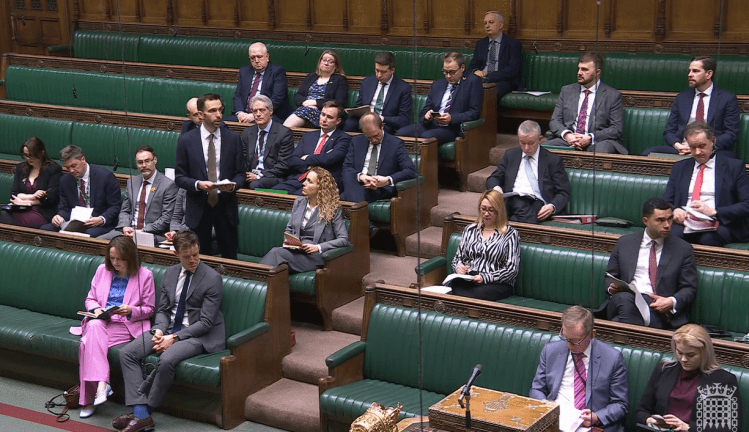
Watch my speech in Parliament this week on the package of reforms the government is putting in place to support kinship carers and keep families together

The seven confirmed Kinship Zone local authorities are:

  • Bexley (Greater London)
  • Bolton (North West)
  • Newcastle (North East)
  • North East Lincolnshire (East Midlands)
  • Medway (South East)
  • Thurrock (East of England)
  • Wiltshire (South West)

Weekly Column – 25.02.2026 – Fixing our broken SEND system

For too long, too many families across West Cumbria have felt worn down by the system that is meant to support their children.

Over the past year, I’ve met with children and young people with Special Educational Needs and Disabilities (SEND), sat down with parents who described exhausting battles for support, visited local schools doing their very best with limited resources, and listened closely to SEND charities and support organisations serving our area. I have taken what I have heard directly to ministerial colleagues to help shape the reforms now being introduced.

This week, the Government announced a £4 billion package to transform SEND support and make every mainstream school more inclusive. It is a significant moment – and one that must deliver real change for families here in Cumbria.

A central part of the reforms is a new £1.6 billion Inclusive Mainstream Fund. This will provide direct funding to schools and early years settings over the next three years so they can step in earlier when a child begins to show additional needs. That could mean small group language support, more tailored teaching approaches, or earlier identification of learning differences – without families having to wait for problems to escalate.

Alongside this, a £1.8 billion “Experts at Hand” service will give schools direct access to specialist professionals such as educational psychologists, occupational therapists and speech and language therapists. Crucially, schools will be able to draw on this expertise whether or not a child has an Education, Health and Care Plan. Once fully rolled out, the average secondary school will receive the equivalent of more than 160 additional days of specialist support each year.

The reforms also include more than £200 million to ensure every Best Start Family Hub provides dedicated SEND outreach and advice, strengthening early help for parents. A further £200 million will fund the largest SEND teacher training programme ever delivered, with every teacher trained to support children with additional needs. And nationally, £3.7 billion in capital investment will create 60,000 new specialist places, helping more children attend and thrive in their local school.

None of this will fix every problem overnight. Families are right to expect sustained focus and accountability. But the direction of travel is clear: earlier support, stronger local expertise and an end to the adversarial culture that has left too many parents feeling they must fight for what their child needs.

Children in West Cumbria should not be forced to travel miles because their local school cannot meet their needs. Nor should parents feel exhausted by the process of securing help.

These reforms aim to rebuild confidence and put inclusion at the heart of all our schools. I will continue working with local families and feeding their experiences back into government to ensure the changes deliver for West Cumbria.

MP joins paramedic on frontline as ambulance waits fall

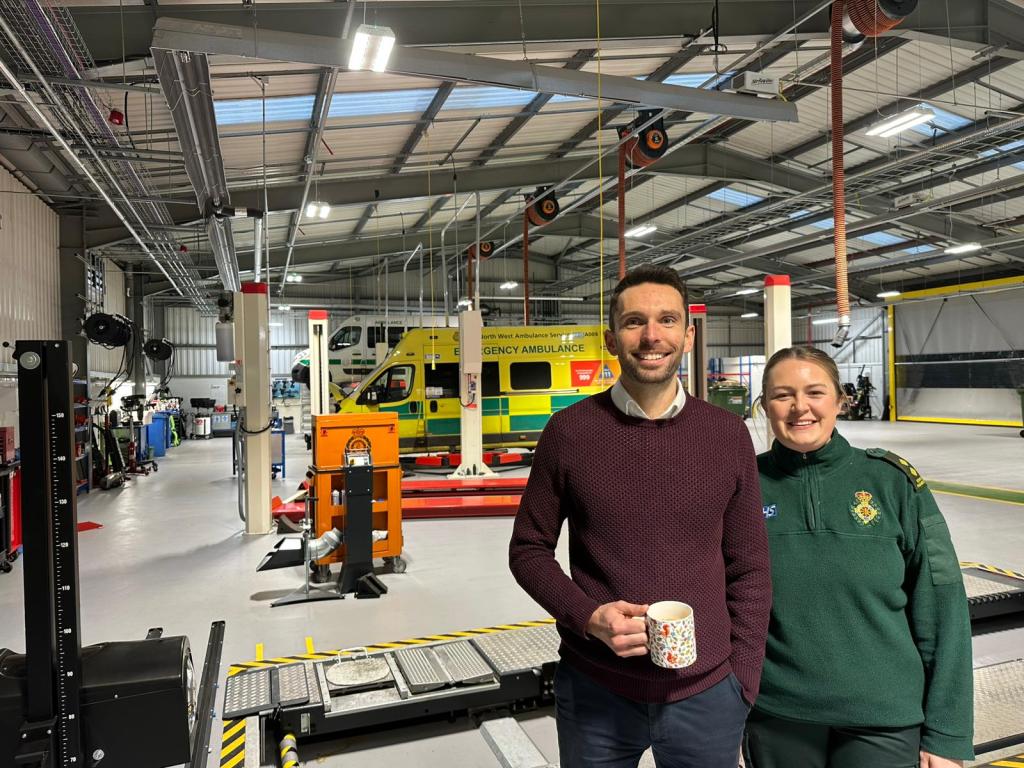
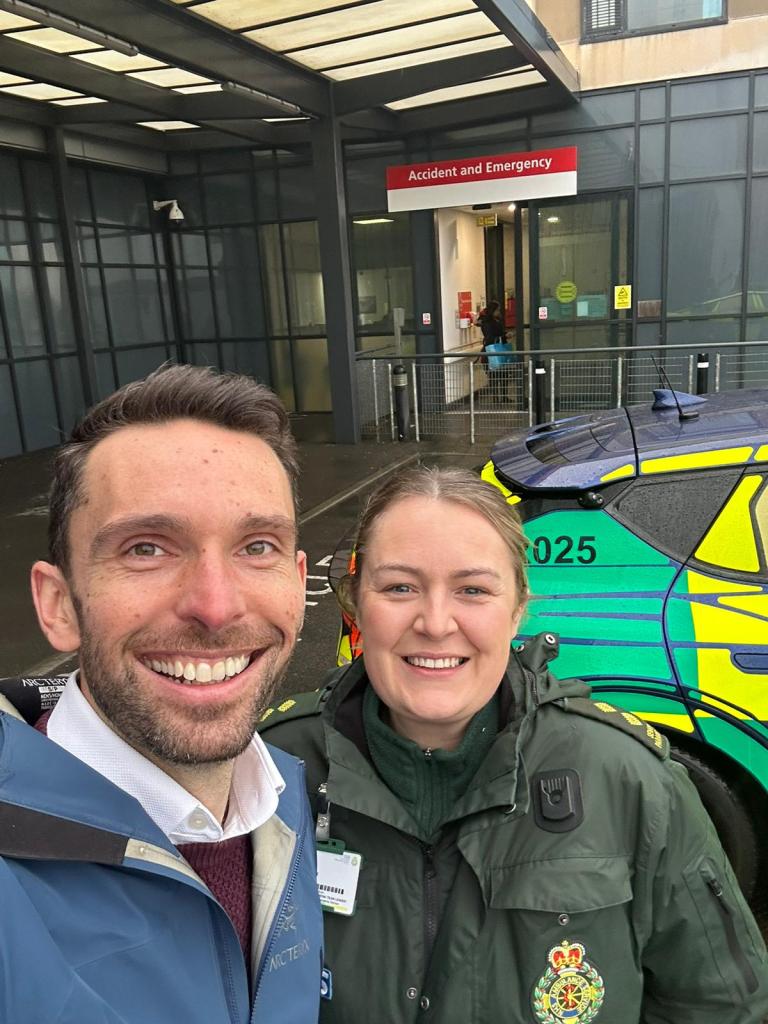
Ambulances are reaching serious emergencies across West Cumbria around 10 minutes quicker than they were a year ago – and Josh MacAlister MP saw that progress first-hand after joining a local paramedic on shift in a rapid response vehicle.

Spending time on the frontline with a West Cumbrian crew, Josh observed how rapid response vehicles are dispatched to life-threatening Category 2 emergencies – including heart attacks and strokes – often arriving ahead of a full ambulance to begin urgent treatment.

New figures show that for these serious incidents, local crews are now reaching patients around 10 minutes faster than last year – a change that can mean the difference between life and death in a rural area like ours, where distance and geography can pose real challenges.

Across England, average ambulance waits are down by a third – from 47:26 to 32:43 – following major new investment in emergency care, including an additional £450 million through the 2025/26 emergency care plan.

Josh MacAlister MP said:

“It was a real privilege to shadow one of our brilliant local paramedics and see first-hand the work they do in incredibly pressured circumstances. In West Cumbria, where journeys can be long and time matters enormously, every minute saved can save a life.

“The fact that ambulances are now reaching serious emergencies around 10 minutes faster than a year ago is hugely significant. That’s lifesaving care arriving more quickly for our communities.

“For too long, people here were promised improvements in the NHS but didn’t see them. We’re now starting to turn that around – through record investment and real modernisation: more evening and weekend appointments, surgical hubs cutting backlogs, more GP appointments, and smarter use of technology.

“But we know there’s much more to do. After years of Conservative failure, our health service was left under enormous strain. Labour is rebuilding it – and we utterly reject Nigel Farage’s reckless idea of scrapping the NHS and replacing it with private health insurance.

“People in West Cumbria voted for change. By backing our frontline staff and delivering faster emergency care, we’re making that change real.”

£4 billion SEND investment to deliver earlier, local support for Cumbrian families

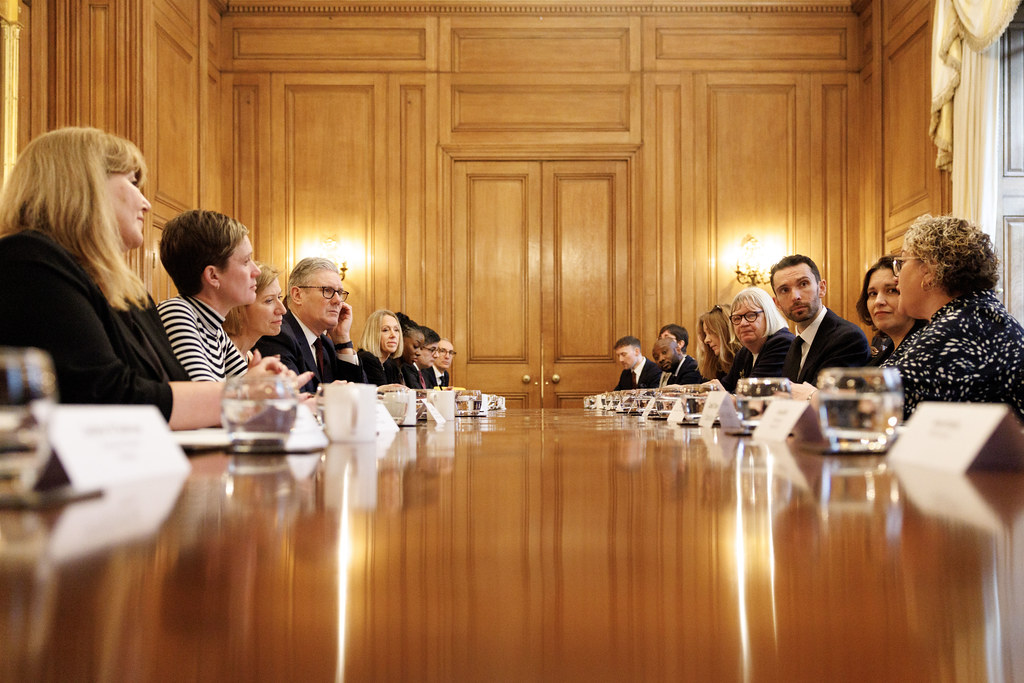
Josh chairing a SEND roundtable in Downing Street with the Prime Minister and Education Secretary

Children and families across Cumbria will benefit from a landmark £4 billion national investment to transform support for children with Special Educational Needs and Disabilities (SEND), ensuring every mainstream school is equipped to meet additional needs.

The funding, announced alongside the government’s schools white paper, ‘Every Child Achieving and Thriving’, represents a generational reform of the SEND system – ending the “one size fits all” approach and rebuilding parents’ confidence by making support available earlier and closer to home.

The reforms follow extensive engagement with parents, teachers and sector experts across the country, including public meetings held here in Cumbria by local MP and Children’s Minister Josh MacAlister.

Under this major package of reforms, all of Cumbria’s early years settings, schools and colleges will be resourced to deliver earlier support and greater specialist expertise to support children with additional needs. A new £1.6 billion Inclusive Mainstream Fund will provide direct funding to schools and early years settings over three years to introduce targeted interventions. Alongside this, a £1.8 billion “Experts at Hand” service will give schools on-demand access to specialists such as educational psychologists, occupational therapists and speech and language therapists, with the average secondary school set to receive the equivalent of more than 160 additional days of specialist support each year.

Josh MacAlister, MP for Whitehaven and Workington and Minister for Children and Families, said:

“I’ve spoken to too many families across West Cumbria who feel worn down by a system that responds too late and only after a battle. Who feel the only way they can guarantee their child a good education is by fighting for a place in a specialist school, which may be miles away.

“Families shouldn’t have to fight and children shouldn’t have to travel miles because their needs cannot be met locally. I’ve taken all those experiences and concerns raised with me directly to ministerial colleagues to help shape these reforms and what the Government is proposing will make sure tailored support is available earlier, in every local school, without parents having to fight for it.

Prime Minister Keir Starmer said:

“I’ve heard first hand the struggles and exhaustion faced by too many parents who feel they have to fight the system to get their child the support they need. 

“But getting the right support should never be a battle – it should be a given.

“That means no more ‘one size fits all’ system that only serves children who fit the mould. Instead, families will get tailored support built around their child’s individual needs, available on their doorstep.”

Education Secretary Bridget Phillipson said:

“Children with SEND deserve a system that lifts them up, and that puts no limit on what they can go on to achieve. 

“That means brilliant teachers and experts providing support where children need it, when they need it – in their local school, without families having to fight. 

“These reforms are a watershed moment for a generation of young people and generations to come, and a major milestone in this government’s mission to make sure opportunity is for each and every child.”

Taken together, the measures aim to end the postcode lottery in SEND provision and build a system where opportunity is available to every child – including those growing up in Cumbria’s towns, villages and rural communities.

Read the Schools White Paper here

Respond to the SEND consultation here

Local schools praised for best in country results

Josh on a Visit to Beckstone Primary School

Four west Cumbrian schools are being praised after being recognised as some of the strongest performers nationally for outcomes achieved by disadvantaged pupils.

Bookwell Primary School in Egremont, St Mary’s Catholic Primary School in Whitehaven, St Patrick’s Catholic Primary School in Workington and Beckstone Primary School in Workington were identified as being among the top-performing schools of their kind, reflecting the dedication of staff and the hard work of pupils throughout the last academic year.

Josh with pupils at Bookwell Primary School

Josh MacAlister, MP for Whitehaven and Workington, congratulated the schools and said their success was something the whole community could be proud of:

“This is a real credit to everyone at these four brilliant local schools – the staff, the pupils and the families who support them.

“Schools like these show what can be achieved when children are encouraged, supported and expected to do well, whatever their background.

“It’s important that we celebrate success locally, but also look at how good ideas can be shared so more children across West Cumbria get the best possible start in life.”

Josh on a recent visit to St. Mary’s Primary School

Education Secretary, Bridget Phillipson, said:

“Congratulations to the teams at Bookwell, Beckstone, St. Mary’s and St. Patrick’s. These schools’ performance places them among the very best nationally, and this is a significant achievement.

“This success reflects the dedication of the staff and the hard work of pupils. It shows what can be achieved when ambition and commitment come together.

These top performing schools have been asked by the Education Secretary to partner with other local schools to continue their focus on improving outcomes for disadvantaged pupils.