Cumbria’s Labour MPs have called on Northern Trains to deliver an urgent recovery plan following a crunch meeting to address months of poor performance on the Furness and Cumbria Coast Lines.
The meeting follows sustained efforts by local MPs to push the rail industry into action after the Bransty Tunnel closure in Whitehaven last July caused severe disruption.
Pressure from MPs has secured some improvements, including timetable changes, better replacement bus services, and additional support at affected stations. However, performance levels remain unacceptably poor. Northern’s latest data shows that in the past two months, 6.9% of trains between Barrow and Corkickle and 4.9% between Carlisle and Whitehaven were cancelled or part-cancelled. Both above the national average of 4.4%.
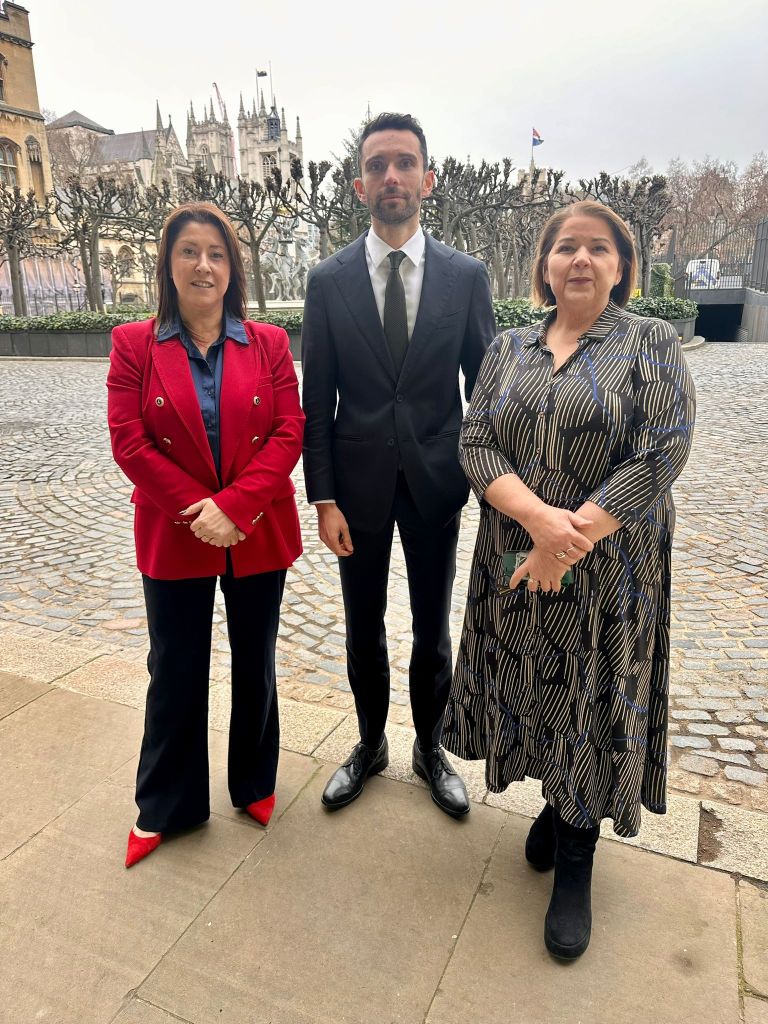
MPs expressed concern at the lack of urgency and have formally requested a recovery plan by the end of the month. In a joint statement, Michelle Scrogham MP (Barrow and Furness), Josh MacAlister MP (Workington and Whitehaven) and Julie Minns MP (Carlisle) said:
“While we recognise Northern faces challenges due to the Bransty Tunnel closure, current action is not enough to address very poor performance. This disruption is hitting our constituents hard. People are missing work, education, and training, businesses are losing customers, and some residents are considering moving house or changing jobs.”
“We have asked Northern to provide a written action plan by the end of the month, detailing how they will improve the situation beyond current measures.”
“The Labour Government is investing in, and reforming, rail services and it is vital that Cumbrian rail users see the benefits of that. The failures we see locally are result of privatisation, it has failed,and it is passengers that have paid the price. The new Railways Bill will put our rail system back together and back into public control and we will be supporting that so that passengers here will benefit.”
Cumberland’s Labour MPs – Josh MacAlister, Julie Minns and Michelle Scrogham – have welcomed this week’s local government funding settlement, saying it marks a clear change of direction after more than a decade of Conservative austerity, while being honest that pressures on councils remain.
Under the settlement, Cumberland Council’s Core Spending Power will rise by 14 per cent across the Parliament – an increase of £46.6 million by 2028/29. Core Spending Power is the standard measure used by government to assess councils’ overall funding and provides greater stability through a multi-year settlement rather than the year-to-year uncertainty councils have faced for more than a decade.
From 2026/27, Cumberland will also benefit from the Fair Funding reset, which updates how funding is distributed so it better reflects deprivation, rural delivery costs and social care pressures. While the Fair Funding Allocation itself tapers over time as temporary protections are unwound, overall spending power for the council continues to rise year on year.
Both within and in addition to the core funding settlement, Cumberland will see significant increases in funding for the services residents care most about, including roads and transport, family support, schools, homelessness prevention and neighbourhood renewal.
Major investments include:
Nearly £100 million to improve local roads over the next few years, with a big boost to the council’s highways budget from 2026 to 2029.
Almost £70 million for other local transport improvements, including £40 million through the Local Transport Grant, £23 million for bus services and £4.5 million for active travel – supporting better buses, safer roads, new crossings and improved walking and cycling routes.
More than £10 million for homelessness prevention between 2025 and 2029, helping the council intervene earlier and reduce long-term pressures.
£5 million for Cumberland through the Families First programme, supporting early help to keep families together and multi-agency child protection teams to keep children safe.
Increased funding for schools and SEND, with school funding rising nationally by £4.7 billion a year by 2028/29 and £3 billion of capital funding announced to expand specialist provision, from which Cumberland will benefit.
£60 million over ten years through the Pride in Place programme for some of the poorest neighbourhoods in Carlisle, Maryport/Flimby and south Whitehaven, providing long-term, transformational investment in local communities.
Statements from Cumberland’s Labour MPs
Josh MacAlister MP said:
“This settlement doesn’t pretend that everything lost under the Conservatives can be fixed overnight, but it does mark a real change of direction. After years of cuts and uncertainty, Cumberland now has a fairer funding baseline and multi-year certainty. That gives the council a stronger platform to invest in the services people rely on. The focus now must be on using the increased funding and greater stability to deliver visible improvements for residents.”
Julie Minns MP said:
“For years, councils like ours were short-changed by a system that ignored deprivation and the extra costs of delivering services in large, rural areas. The Fair Funding reset is a step towards putting that right, and overall spending power will continue to rise year on year. Major investment in roads, buses and neighbourhoods means real improvements people will be able to see locally, but there is more to do to make sure funding truly matches need”
Michelle Scrogham MP said:
“What matters to residents is whether services improve – safer roads, better buses and stronger support for families and schools. This settlement, alongside targeted investment in transport, homelessness prevention and children’s services, starts to deliver that. It’s a more honest, stable and fair approach than the chaos councils were left with under the Conservatives. I know it isn’t an overnight fix, and as local MPs we will always be fighting for more to redress the damage that years of austerity have caused.”
The MPs stressed that, as with councils across England, the headline spending power figures assume use of the council tax flexibility available under national rules, and that decisions about council tax remain a matter for local councillors.
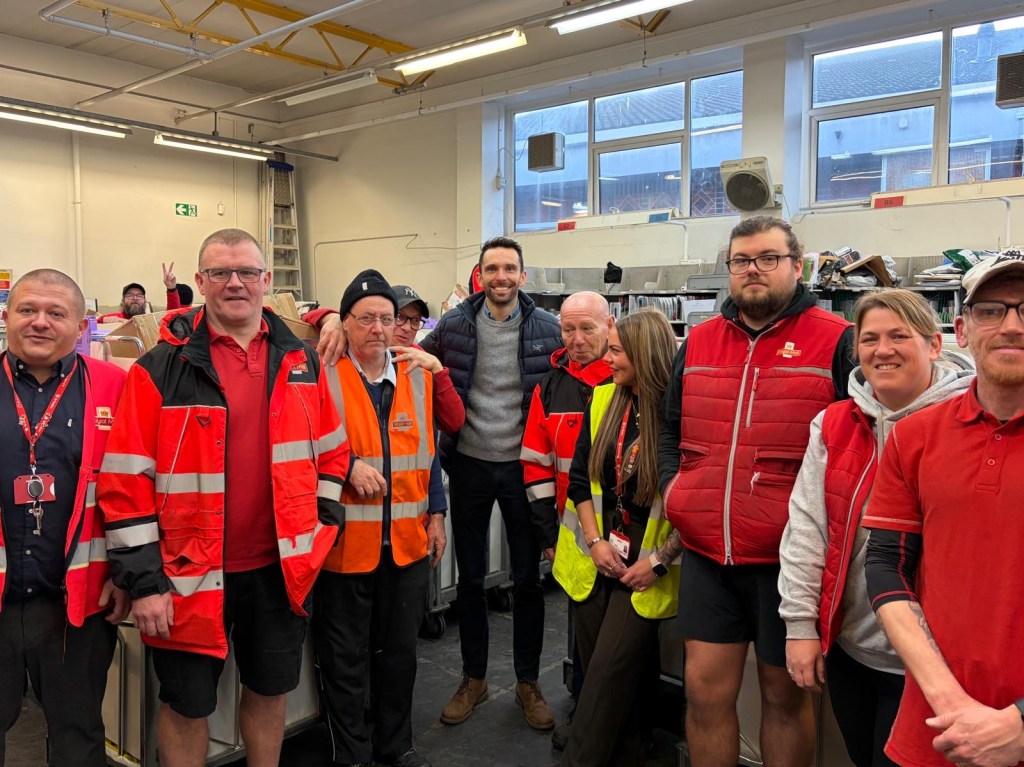
Josh MacAlister MP recently visited Royal Mail’s Whitehaven Delivery Office to meet local postal workers and thank them for their dedication and hard work during the busy Christmas delivery period.
During the visit, Josh met staff across the delivery office and heard first-hand about the pressures they face at one of the most demanding times of the year. He praised their commitment to keeping mail moving, often in challenging conditions, and acknowledged the vital role they play in supporting residents, businesses and communities across the area.
Josh MacAlister MP said:
“Postal workers in West Cumbria do an outstanding job, especially over Christmas when workloads increase significantly. I wanted to come in person to thank staff for their efforts and professionalism, which so many families and businesses rely on.”
Josh has recently raised a number of complaints with Royal Mail management on behalf of constituents who have reported receiving mail late or not at all.
Josh added. “Residents rightly expect their post to arrive on time, and I will continue to press for improvements where problems persist.”
Josh welcomed the opportunity for an open and constructive discussion with Royal Mail and will continue to monitor the situation closely. He has committed to staying in contact with both Royal Mail and constituents to ensure concerns are addressed and progress is made.
Labour’s plan to support Armed Forces personnel with the cost of travelling home this Christmas is being welcomed in West Cumbria, an area with a long and proud tradition of service to the nation.
Under the announcement, part of Labour’s commitment to renew the nation’s contract with those who serve, 35,000 service personnel will be eligible for help with the cost of a return journey home over the festive period for the first time.
The support will benefit junior service personnel in the early years of their careers – those most likely to be posted far from home and least likely to qualify for existing travel support – helping them spend precious time with family and loved ones at Christmas.
West Cumbria has a deep-rooted connection to the Armed Forces, reflected not just in those currently serving, but in the strength of local cadet units, veterans’ organisations, and community groups in towns and villages across our area. From Remembrance services to cadet parades and volunteer-led support networks, that tradition of service continues to be passed on to the next generation.
Josh MacAlister MP said:
“West Cumbria is rightly proud of its history of service. You see it in our cadets, who give their time and energy week in, week out, and in our veterans, who continue to serve their communities long after they’ve taken off the uniform.
“Labour promised to renew the nation’s contract with those who serve, and this is part of delivering on that promise. Time with family matters, especially for young service personnel who make real sacrifices early in their careers. Helping them get home at Christmas is the right thing to do.”
The Christmas travel support builds on wider action from Labour to put Forces First, including the biggest military pay rise in two decades and a landmark £9 billion plan to renew Armed Forces housing, with thousands of homes across the country set to be improved and brought back into public ownership.
Josh MacAlister MP added:
“Backing our Armed Forces isn’t just about words. It’s about recognising the sacrifices made by service personnel and their families, and making sure our actions match our respect. In West Cumbria, that understanding runs deep – and it’s why this support will be so warmly felt across our communities.”
Josh at Whitehaven’s Youth Hub – another will open in Workington in the new year
One of the greatest responsibilities we have – both as a community and as a country – is to make sure every young person has the chance to get on in life. When I speak with young people across West Cumbria, I hear the same message time and again: they want opportunities, support, and a fair shot at building their future here in West Cumbria. For too long, too many have been held back by a lack of chances that should be every young person’s right.
That is why the action our Labour Government took last week is so important. As part of the Youth Guarantee, the Government has committed £820 million to expanding support for 16–24-year-olds who are not in education, employment or training. This investment will create 350,000 new work and training opportunities, expand Youth Hubs to every local area – including one in Workington following the launch of the Whitehaven Hub in the autumn – and introduce a new Youth Guarantee Gateway, which will provide almost 900,000 young people on Universal Credit with tailored, intensive support to move into work or learning. It also delivers a new Jobs Guarantee: six months of paid employment for young people aged 18–21 who have been unemployed for 18 months or more.
These national changes matter here. In West Cumbria, there are currently 405 young people aged 16–24 claiming unemployment-related benefits. That is not a statistic; it represents hundreds of young lives full of talent, potential, and possibility. We owe it to them – and to our local economy – to make sure they are not left behind.
Alongside this, the Government has launched the National Youth Strategy, the first plan of its kind in 15 years. It is the result of conversations with over 14,000 young people and sets out a long-term commitment to rebuild youth services across the country. The Strategy will deliver up to 250 new or refurbished youth centres, create a network of 50 Young Futures Hubs, recruit and train youth workers, and ensure all schools have access to Mental Health Support Teams by 2029. It also aims to give 500,000 more young people access to a trusted adult outside their home – recognising how important relationships and belonging are to a young person’s sense of direction and wellbeing.
For West Cumbria, this is a welcome turning point. After years of youth services being hollowed out, we are now rebuilding. Young people here deserve safe places to go, opportunities to develop skills, support with their mental health, and clear pathways into work. This is about restoring pride in our communities and confidence in our future.
Our young people are full of ambition. With these new commitments, they finally have a government – and an MP – determined to match it.
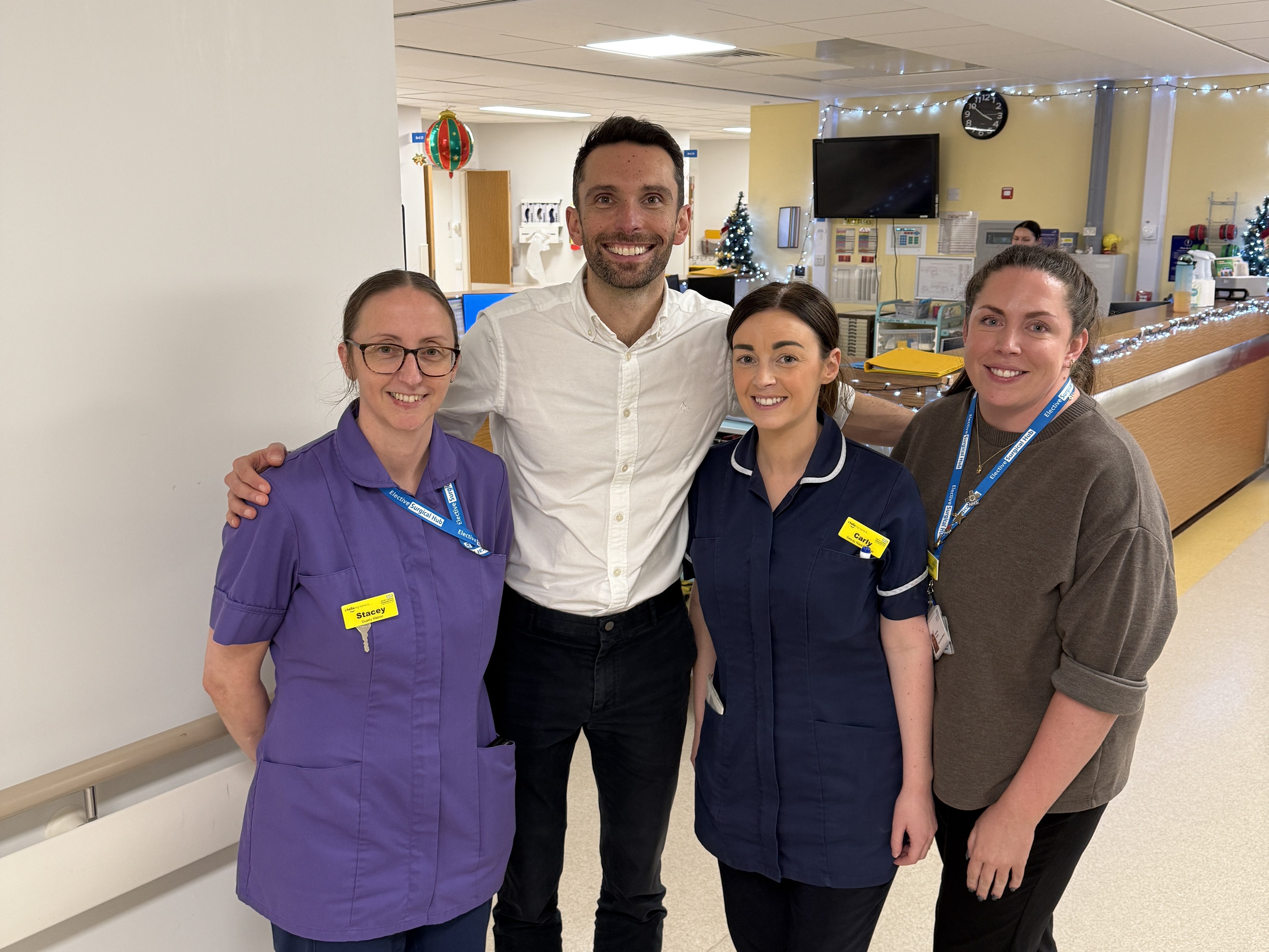
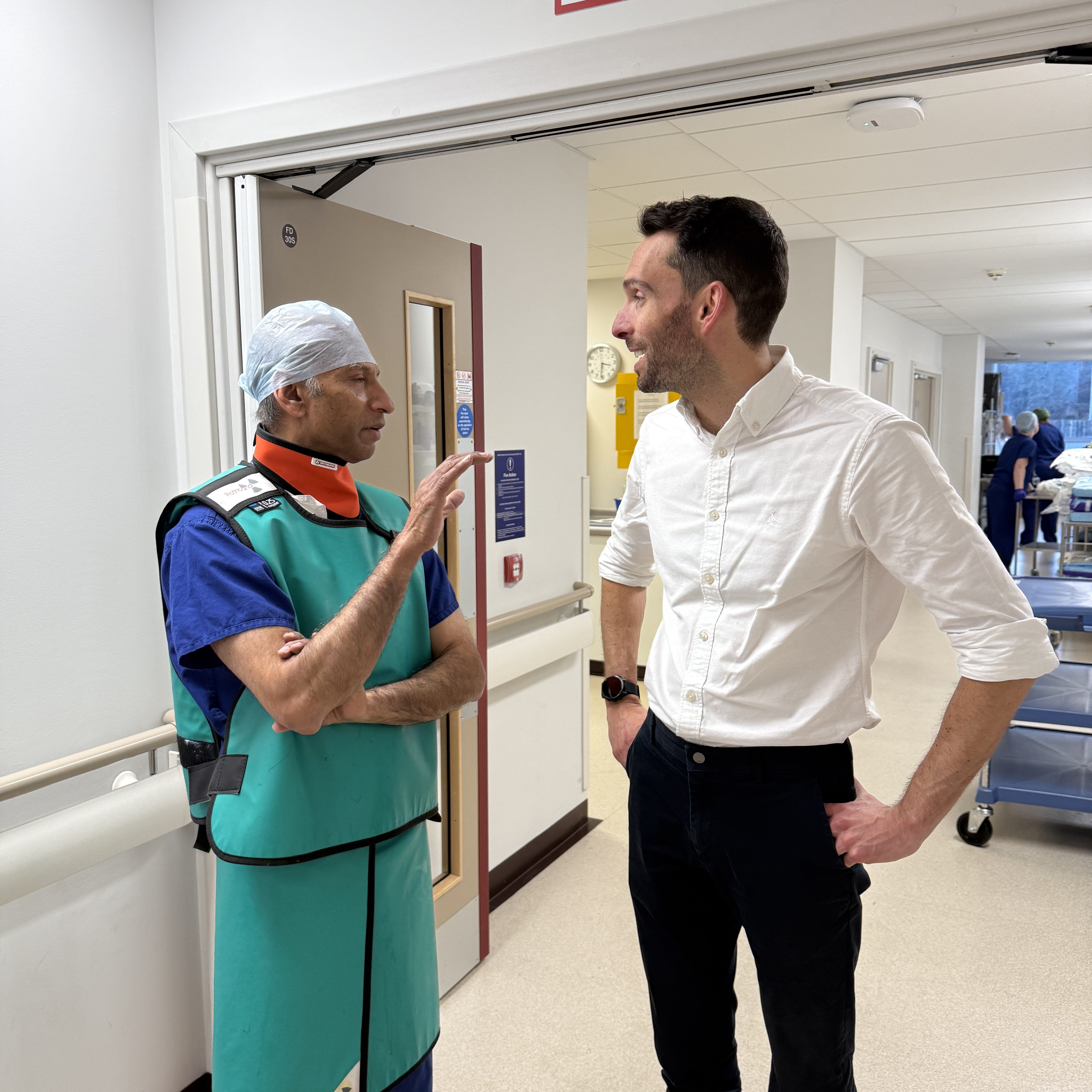
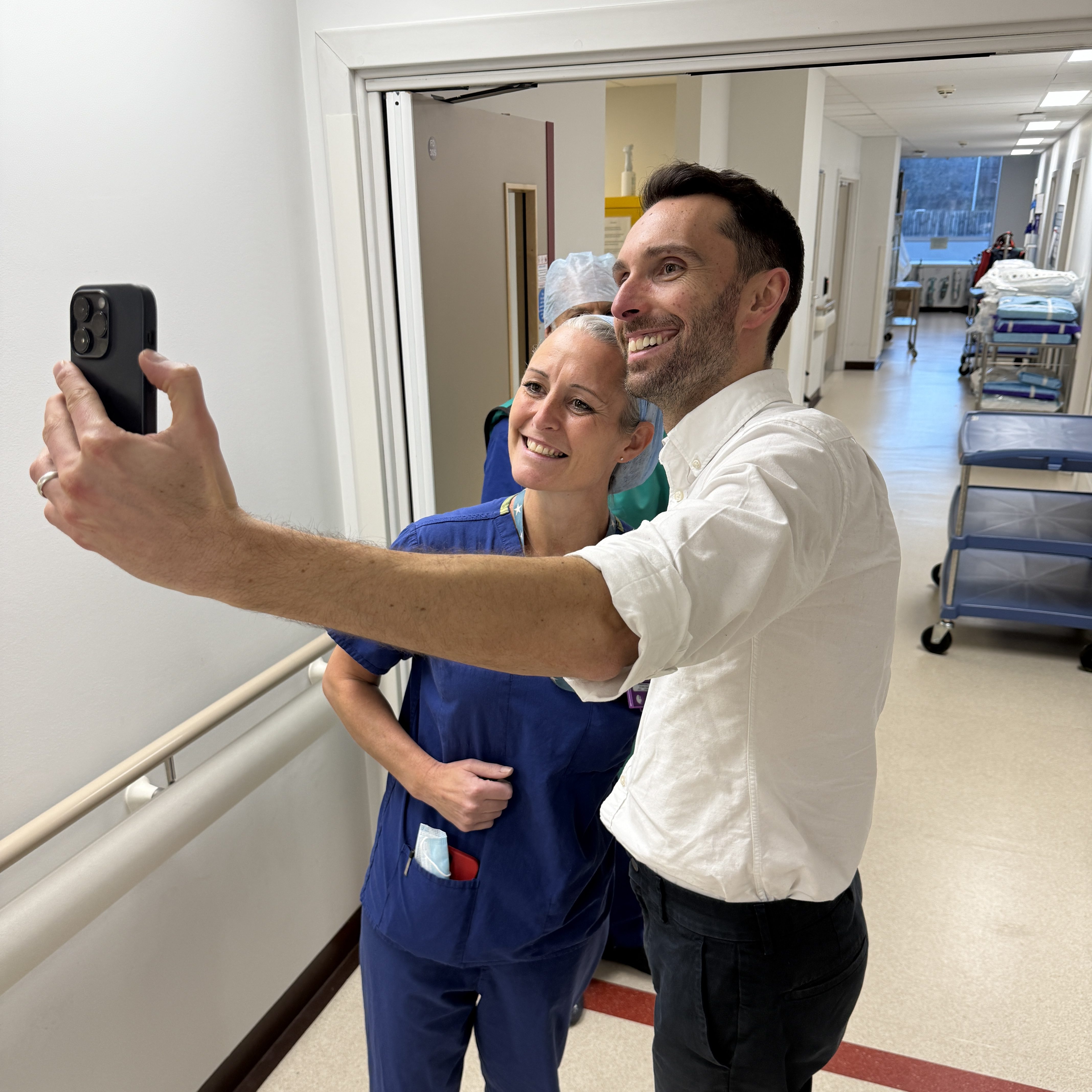
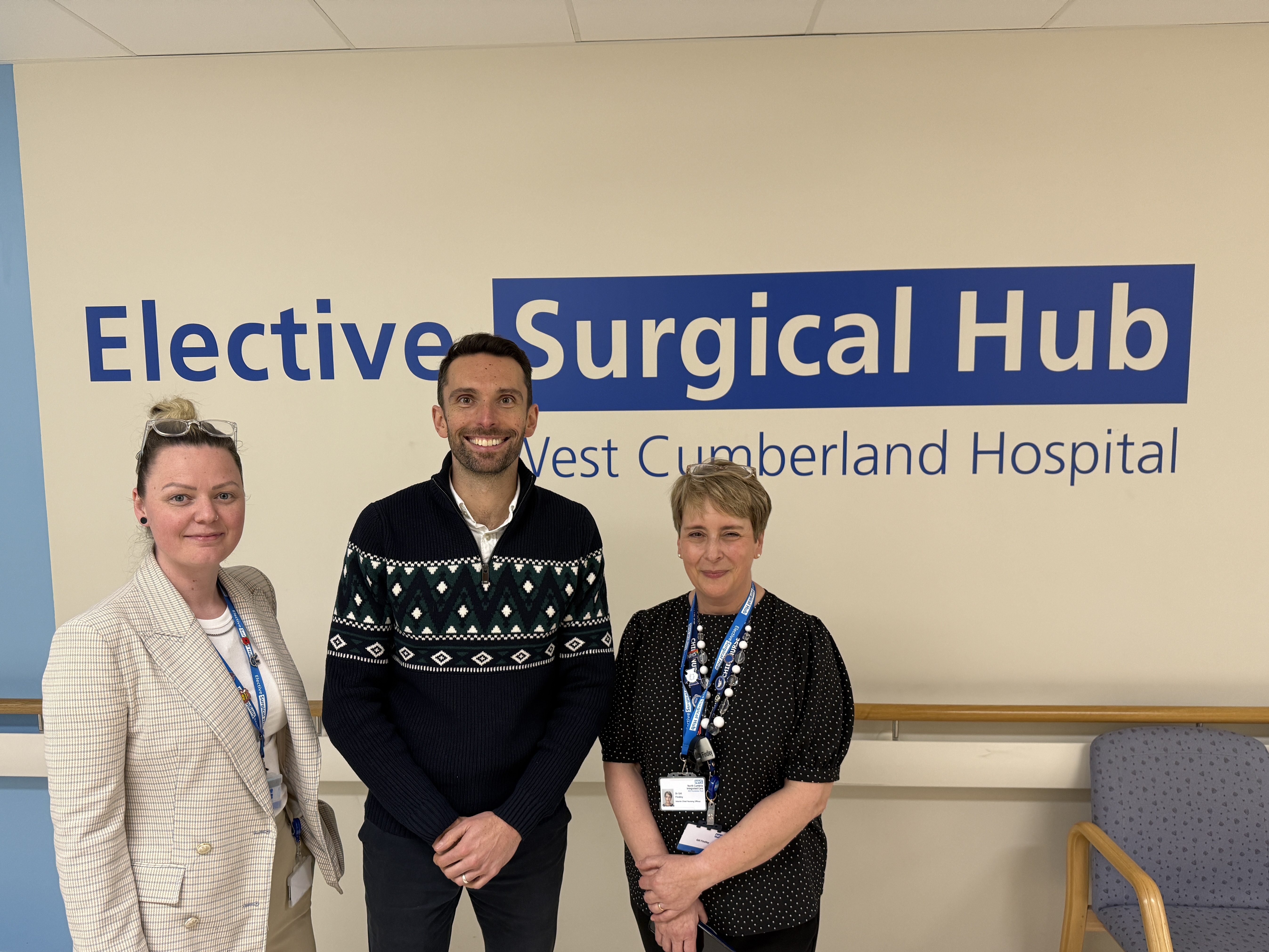
Whitehaven and Workington MP Josh MacAlister was full of praise for NHS staff during a visit to the Elective Surgical Hub at West Cumberland Hospital.
The hub is designed to carry out high-volume, low-complexity procedures, including orthopaedic surgeries, making best use of the redeveloped West Cumberland Hospital site.
During the visit, Josh met with clinical and operational staff, toured the hub’s facilities, and heard about how the dedicated unit is helping to reduce cancellations, shorten waiting times, and deliver safe, efficient elective care in a protected setting separate from emergency services.
The visit follows the recent announcement that the hub has been awarded national accreditation by NHS England’s Getting It Right First Time (GIRFT) programme, recognising its high standards of clinical care, operational excellence, and patient experience.
Josh MacAlister MP praised the commitment and teamwork of staff who have driven the development of the hub from the outset and congratulated them on achieving national accreditation.
Speaking after the visit, Josh MacAlister MP said:
“It was a real pleasure to visit the Elective Surgical Hub and meet the staff delivering this outstanding service. The GIRFT accreditation is a significant achievement and reflects the dedication, professionalism, and hard work of everyone involved. This hub is a great example of how investment, innovation, and teamwork can improve patient care and help tackle waiting times for our communities.”
Gill Findley, Executive Chief Nurse at North Cumbria Integrated Care NHS Foundation Trust, said:
“It is a real feather in our cap to earn national accreditation for our surgical hub and it reflects a lot of hard work by the team. It will help us to see and treat more patients and to reduce our waiting lists. Being an accredited hub with fantastic facilities will also help us to attract more senior surgeons to come and work at the West Cumberland Hospital, helping us to improve the quality and sustainability of our services.”
Josh with Richard Knight from the Environment Agency and Mary Long Dhonau OBE, aka ‘Floor Mary’ with the Floodmobile in West Cumbria last Friday
Residents and businesses across West Cumbria have been urged to take practical steps to prepare for flooding following a successful visit by the Floodmobile and Mary Long-Dhonau OBE – widely known as ‘Flood Mary’ – one of the UK’s leading voices on flood resilience.
The visit brought flood preparedness into the heart of the community, giving residents the chance to see first-hand how homes and businesses can be better protected from flooding and how recovery times can be significantly reduced if water does get in.
The Floodmobile – a specially adapted “flood house on wheels” – demonstrated a range of property-level flood resilience (PFR) measures, including flood doors, air-brick covers, non-return valves and resilient internal finishes. Visitors were able to speak directly to flood-risk professionals and receive practical, tailored advice based on their own circumstances.
Mary Long-Dhonau OBE, who has lived with flooding for decades and now campaigns nationally to help communities become more resilient, shared her personal experience and stressed the importance of preparation, awareness and early action.
The visit was hosted by Josh MacAlister MP, who met residents, community representatives and flood experts to discuss local flood risk, resilience measures and the importance of ensuring communities in West Cumbria are supported before, during and after flooding events.
Josh MacAlister MP said:
“It was timely to welcome Mary Long-Dhonau OBE and the Floodmobile to West Cumbria last week. Flooding is something too many local families and businesses have experienced, and the impact can be devastating.
“What this visit showed very clearly is that there are practical steps people can take to reduce damage and recover more quickly. Seeing these measures in action, and hearing directly from someone who has lived through flooding and turned that experience into positive action, was incredibly powerful.
“I will continue to work with residents, the local authority and national agencies to make sure flood resilience and preparedness remain a priority for West Cumbria.”
Mary Long-Dhonau OBE said the visit underlined the importance of empowering communities with clear, practical information:
“Being flooded is very distressing and disruptive but knowing your risk, how to prepare for a flood and how to better protect your home can hugely reduce the impact and help you to return home sooner.
“If you are sadly flooded, do check if your insurance includes Flood Re’s ‘Build Back Better’, this can help you financially to make your home flood recoverable against any future floods’. I also have a flood recovery guide, which helps during the first bleak days after a flood. It can be found on my website at floodmary.com.”
Residents are encouraged to check their flood risk, sign up for flood alerts, and explore property-level resilience options as part of wider community preparedness.
Josh has pulled together further information on flood preparedness and resilience measures on his website at joshmacalister.uk/flooding
Josh MacAlister MP, Minister Jess Phillips and Commissioner David Allen with staff from The Freedom Project West Cumbria
Josh MacAlister MP and Cumbria’s Police, Fire and Crime Commissioner, David Allen, recently welcomed the Minister for Safeguarding and Violence Against Women and Girls, Jess Phillips MP, to Workington for a visit focused on supporting survivors of domestic abuse and improving online safety for young women, as part of the Government’s commitment to halve violence against women and girls during this Parliament.
During the visit, the Minister met with staff and service users from two local domestic abuse charities – The Freedom Project and Gateway 4 Women – to hear first-hand about the vital support they provide to women and families across West Cumbria, as well as the pressures facing frontline services.
The visit also included a roundtable discussion on online safety with teenage girls from Workington Academy and St. Joseph’s Catholic High School. The students spoke openly about their experiences online, including social media pressures, online harassment, harmful content and the steps needed to help young people stay safe in digital spaces.
The discussions highlighted the importance of early intervention, strong online protections, education, and sustained funding for specialist local services, alongside the need to ensure national policy is informed by lived experience in order to meet the Government’s ambition to halve violence against women and girls.
Josh MacAlister MP said:
“It was a privilege to welcome the Minister to Workington and to showcase the incredible work being done by The Freedom Project and Gateway 4 Women. These organisations are lifelines for so many women locally.
“The Government has committed to halving violence against women and girls during this Parliament, and that ambition must be grounded in what works locally. I was also hugely impressed by the young women from Workington Academy and St. Joseph’s, who spoke so powerfully about online safety and the realities they face every day.”
Jess Phillips MP, Minister for Safeguarding and Violence Against Women and Girls, said:
“Ending violence against women and girls is a central priority for this Government, and we have been clear in our commitment to halve it during this Parliament.
“Hearing directly from survivors, frontline workers and young women in Workington shows why that commitment matters. Tackling abuse means supporting local services and confronting harm wherever it happens – including online – while listening to young people about what they need to feel safe.”
David Allen, Cumbria’s Police, Fire and Crime Commissioner, said:
“Keeping women and girls safe requires close co-operation between policing, local services and government. It was valuable to hear directly from charities, survivors and young people about the challenges they face.
“As Police, Fire and Crime Commissioner, I am committed to working with partners across Cumbria to prevent violence against women and girls, improve confidence in reporting, and ensure perpetrators are held to account. My office has funded specialist domestic abuse advisers in the police control room to deal with calls related to domestic abuse and I’ve funded local charities including the Freedom Project to continue their vital work supporting women.”
Vicky Pike, Manager of The Freedom Project, said:
“We were delighted to welcome Josh MacAlister, David Allen and Jess Phillips to Workington and to have the opportunity to share the realities facing domestic abuse services on the ground.
“If we are to meet the Government’s ambition to halve violence against women and girls, it is essential that specialist local services like the Freedom Project and Gateway 4 Women are properly supported.”
Josh MacAlister MP thanked the charities, schools and students for their openness and engagement, and reaffirmed his commitment to working with the Government and local partners to ensure women and girls across Workington and West Cumbria are safe, supported and protected – both offline and online.
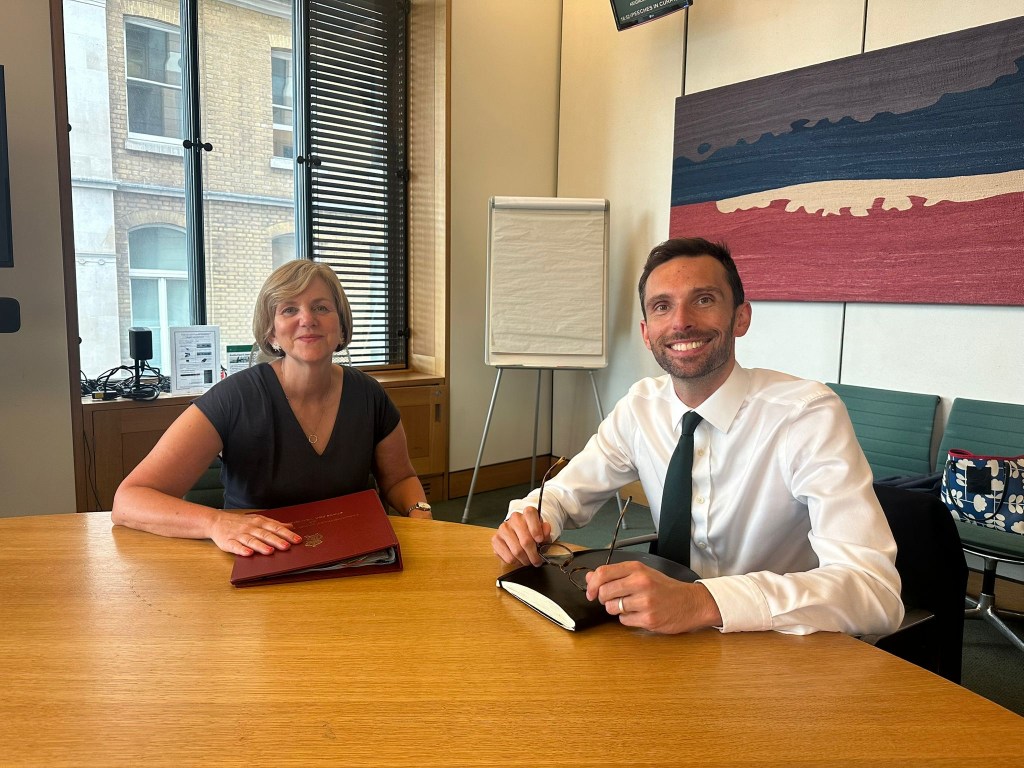
Josh with the Minister for Roads, Lillian Greenwood MP
Josh MacAlister, Member of Parliament for Whitehaven and Workington, has welcomed the Labour Government’s record funding boost for road maintenance, including £96.5 million for Cumberland.
Councils across England will fix potholes and prevent new ones, thanks to a doubling of roads cash by the end of the Parliament as part of the Budget.
Each local authority will be able to use its share of the £7.3 billion to identify the roads most in need of repair and deliver immediate improvements for communities and residents.
The Government is also turning up the pressure on local authorities by more than tripling the share of local roads funding that is tied to transparency – from 8% to over 30% of the budget, worth more than £500 million. Councils can only unlock the funding if they publish clear pothole and maintenance data and follow best practice.
Josh said:
“At the election, Labour promised to fix an extra million potholes a year by the end of the Parliament. This announcement shows that we are putting our money where our mouth is. It’s double the funding that was promised by the previous Conservative government.
“This record cash boost for local roads is in addition to £23 million to improve local bus services, an extension of the £3 bus fare cap to 2027, and the freezing of rail fares for the first time in 30 years. We’re making travel that little bit easier for west Cumbrians.
“I want to hear from you which roads you want to see repaired with this extra cash. Get in touch and I’ll feed in your suggestions to Cumberland Council for consideration as part of their maintenance programme.”
For farmers in West Cumbria, the way government supports farming and nature recovery is not an abstract policy debate – it is about whether family farms can survive and pass on a viable business to the next generation. That is why I have made securing a devolved farm-funding settlement for Cumbria one of my top priorities in Westminster.
At the moment, too many decisions about support for upland farms are taken hundreds of miles away by people who do not know our fell farms, our commons or our communities. Cumbria has the largest concentration of common land in England and a farming system that underpins our UNESCO World Heritage landscape. Yet farmers here are having to navigate complex national schemes, falling incomes and growing uncertainty.
I believe there is a better way. For months I have been pressing ministers to back a Cumbria-led pilot that would put tens of millions of pounds of farm support and nature recovery funding every year under local control. That would mean decisions taken in Cumbria, by people who understand our land and our businesses – farmers, commoners, local councils, the National Park and conservation groups working together.
Local leaders, including from the National Park Authority and farmer-led nature recovery projects, have been clear that devolved funding would allow us to tailor support to our upland landscapes and to the realities of Cumbrian farming. Instead of one-size-fits-all schemes, we could design simpler, more practical options that reward food production, protect hill farming and restore nature in a way that strengthens rural life.
Some farmers might ask how this ambition sits alongside my recent vote on changes to Agricultural Property Relief (APR) and Business Property Relief (BPR). I understand the concern that vote has caused. Although only a small number of farms locally will be directly affected, many worry it signals a wider shift in how government sees farming. I take that anxiety seriously.
Before the vote, I argued hard inside government for the interests of West Cumbrian farmers. Those discussions helped secure important adjustments to the original proposals. Voting against the measure would have required me to leave the Labour benches and in so doing, lose the ability to shape policy for farmers and many others in West Cumbria. This would have sat badly with me because I’m in politics to get stuff done. I want to be in a position to influence decisions that matter for our communities not just on tax, but on planning, housing, transport, education, nuclear and the NHS.
You may not agree with every decision I make, and I respect that. But I hope you can see the thread that runs through my work: to get more decisions and more resources into Cumbrian hands. I will keep pressing ministers to let Cumbria lead – and listening to farmers as we fight for a fairer future for rural communities.
Farmers can sign up to attend my next Farmers’ Forum at 6pm on Friday 30th January at joshmacalister.uk/meetjosh.




 Josh MacAlister MP